
Mastering Your Credit: An Expert Guide to Rapid Credit Score Improvement
A strong credit score is more than just a number; it’s a financial passport that unlocks opportunities, from securing favorable interest rates on mortgages and auto loans to influencing insurance premiums and even rental applications. For investors and financially savvy individuals, understanding and optimizing this crucial metric is paramount. While building excellent credit takes time, strategic actions can significantly accelerate your credit score improvement. This comprehensive guide from TradingCosts delves into the mechanics of credit scoring and outlines actionable, data-driven strategies to boost your score quickly and sustainably.
Deconstructing Your Credit Score: The FICO and VantageScore Frameworks
Before embarking on a journey to improve your credit score, it’s essential to understand how these scores are calculated. In the United States, the two primary scoring models are FICO Score and VantageScore. While they share many similarities, FICO is more widely used by lenders, making it the benchmark for most credit decisions.
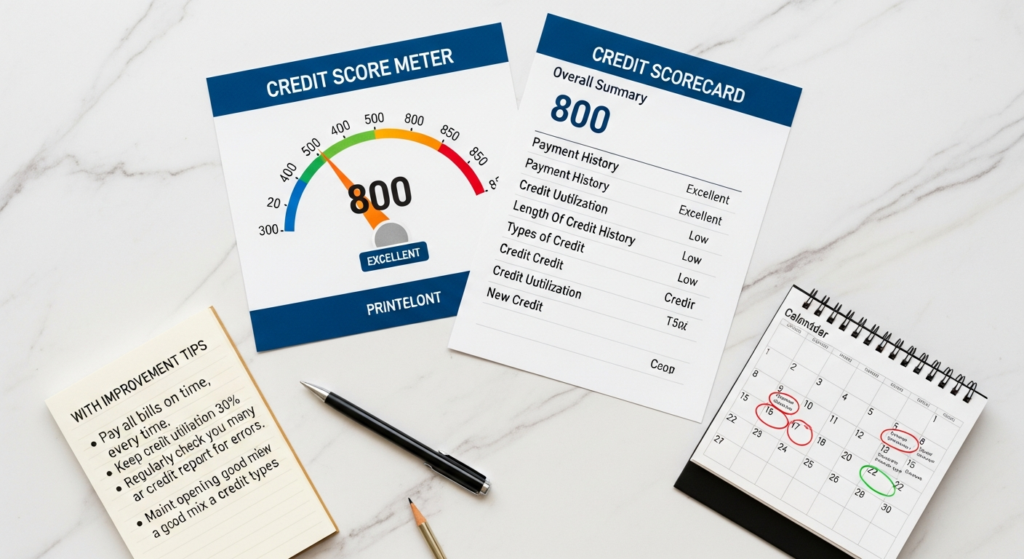
The FICO Score, which ranges from 300 to 850, is derived from five key categories, each weighted differently:
- Payment History (35%): This is the most critical factor. Lenders want to see a consistent record of on-time payments.
- Amounts Owed (30%): This category considers your total debt, but more importantly, your credit utilization ratio—the amount of credit you’re using compared to your total available credit.
- Length of Credit History (15%): A longer history generally indicates more experience managing credit responsibly. This includes the age of your oldest account, the age of your newest account, and the average age of all your accounts.
- New Credit (10%): This factor looks at how many new accounts you’ve opened recently and the number of hard inquiries on your report.
- Credit Mix (10%): Lenders prefer to see a healthy mix of different types of credit, such as revolving accounts (credit cards) and installment loans (mortgages, auto loans).
VantageScore, another prominent model, uses similar factors but with slightly different weightings and terminology. For instance, it emphasizes “total credit usage, balance, and available credit” as “highly influential” and “payment history” as “extremely influential.” Regardless of the model, the core principles of responsible credit management remain consistent. Understanding these components is the first step toward strategically improving your score.
Immediate Impact Strategies: Payment History and Credit Utilization
When aiming for rapid credit score improvement, focusing on the two largest components—payment history and credit utilization—will yield the most immediate and significant results.
Payment History (35%): Your Unwavering Foundation
Nothing impacts your credit score more profoundly than your payment history. A single 30-day late payment can cause a significant drop, potentially reducing a FICO score by 60 to 100 points for someone with an otherwise excellent credit profile. For those with lower scores, the impact might be less dramatic in terms of points, but it still signals a higher risk to lenders.
Actionable Steps:
- Prioritize On-Time Payments: This is non-negotiable. Ensure every credit card, loan, and utility bill is paid on or before its due date.
- Automate Payments: Set up automatic payments from your checking account for all your recurring bills. This minimizes the risk of missing a payment due to oversight.
- Set Reminders: Use calendar alerts, banking app notifications, or third-party budgeting tools to remind you of upcoming due dates, especially for variable bills.
- Consider a Goodwill Letter: If you have one isolated late payment on an otherwise stellar record, you might write a “goodwill letter” to the creditor. Explain the circumstances (e.g., illness, travel), take responsibility, and politely request that they remove the late payment mark from your credit report. Success is not guaranteed, but it’s worth trying for a single, recent transgression.
Remember, negative payment information, such as late payments, collections, or bankruptcies, can remain on your credit report for seven to ten years, underscoring the long-term impact of payment discipline.
Credit Utilization (30%): The Quickest Lever to Pull
Your credit utilization ratio, or the percentage of your available credit that you’re currently using, is the second most influential factor in your credit score. Because this ratio is dynamic and updates frequently, it’s often the quickest way to see a positive change in your score.
The Golden Rule: Keep Utilization Below 30%
Financial experts generally recommend keeping your overall credit utilization below 30%. However, for optimal scores, aim even lower—ideally under 10%. For example, if you have a credit card with a $10,000 limit, try to keep your balance below $3,000, and ideally below $1,000.
Actionable Steps:
- Aggressively Pay Down Balances: Focus on paying down high-balance credit cards. If you have multiple cards, prioritize the one with the highest utilization ratio first, even if it doesn’t have the highest interest rate, to maximize the credit score impact.
- Make Multiple Payments Per Month: Most creditors only report your balance to the credit bureaus once a month, typically on your statement closing date. By making payments throughout the month, you can ensure a lower balance is reported, even if you use your card frequently.
- Request a Credit Limit Increase (with Caution): If you have a good payment history and a stable income, you can ask your credit card issuer for a credit limit increase. This increases your total available credit, which can lower your utilization ratio—provided you don’t increase your spending. Be aware that a credit limit increase request may result in a hard inquiry, which can temporarily ding your score.
- Avoid Closing Old, Paid-Off Accounts: While it might seem counterintuitive, closing an old credit card can actually hurt your credit utilization. If you close an account, you reduce your total available credit, which can cause your utilization ratio to jump even if your balances remain the same. Keep old accounts open, even if you rarely use them, to maintain a higher overall credit limit.
By diligently managing your payment history and actively reducing your credit utilization, you can expect to see noticeable improvements in your credit score within a few months.
Strategic Account Management: Building a Stronger Credit Profile
While payment history and utilization offer the most immediate impact, strategic management of other credit score components is crucial for sustained improvement and reaching higher score tiers.
Length of Credit History (15%): Time is Your Ally
Lenders view a long history of responsible credit use favorably. This factor considers the age of your oldest account, the age of your newest account, and the average age of all your accounts.
Actionable Steps:
- Resist Closing Old Accounts: As mentioned, closing old accounts reduces the average age of your credit history, potentially lowering your score. Keep them open, even if you use them sparingly, to maintain their age.
- Become an Authorized User (with Caution): If a trusted family member or partner with excellent credit and a long credit history adds you as an authorized user to one of their credit cards, their positive account history can appear on your credit report. This can be particularly beneficial for individuals with a “thin file” (little to no credit history). However, ensure the primary account holder is financially responsible, as their missteps could negatively affect your score. Discuss expectations and responsibilities upfront.
New Credit (10%): The Double-Edged Sword
This factor examines how often you apply for new credit and how many new accounts you’ve opened recently. Each time you apply for credit, a “hard inquiry” is typically placed on your credit report.
Hard Inquiries vs. Soft Inquiries:
- Hard Inquiries: Occur when you apply for new credit (e.g., credit card, loan, mortgage). They can temporarily ding your score by a few points and remain on your report for two years, though their impact diminishes after about 12 months. Too many hard inquiries in a short period can signal risk to lenders.
- Soft Inquiries: Occur when you check your own credit score, a lender pre-approves you for an offer, or for employment background checks. Soft inquiries do not affect your credit score.
Actionable Steps:
- Be Strategic About New Applications: Only apply for new credit when genuinely needed and when you’re confident you’ll be approved. Avoid opening multiple new accounts within a short timeframe.
- “Rate Shopping” for Loans: If you’re seeking a mortgage or auto loan, multiple inquiries from different lenders within a concentrated period (typically 14-45 days, depending on the scoring model) are often treated as a single inquiry, recognizing that you’re shopping for the best rate. This is an exception to the rule.
Credit Mix (10%): Diversification for Stability
Lenders prefer to see a healthy mix of different types of credit, demonstrating your ability to manage both revolving credit (like credit cards) and installment credit (like mortgages, auto loans, or personal loans).
Actionable Steps:
- Diversify Naturally Over Time: Do not take out loans you don’t need simply to improve your credit mix. This can lead to unnecessary debt and interest payments.
- Consider a Credit Builder Loan or Secured Card: If you primarily have one type of credit or a very thin file, a credit builder loan (installment) or a secured credit card (revolving) can help diversify your mix responsibly. We’ll delve into these in more detail shortly.
By understanding and strategically managing these factors, you lay the groundwork for long-term credit health while contributing to faster improvements in the short term.
Addressing Derogatory Marks and Errors
Even with perfect payment habits, your credit score can be held back by negative items or, worse, errors on your credit report. Proactive monitoring and dispute resolution are critical.
Obtain Your Credit Reports
The first step is to know what’s on your reports. By law, you are entitled to a free copy of your credit report from each of the three major credit bureaus—Experian, Equifax, and TransUnion—once every 12 months. The official source for these reports is AnnualCreditReport.com. Due to the pandemic, free weekly reports are currently available.
What to Look For:
- Personal Information: Ensure your name, address, and Social Security Number are accurate.
- Account Information: Verify that all listed accounts belong to you, the account numbers, credit limits, balances, and payment statuses are correct.
- Derogatory Marks: Check for late payments, collections, charge-offs, bankruptcies, or public records that are incorrect or have passed their legal reporting period.
- Hard Inquiries: Ensure all hard inquiries correspond to applications you’ve actually made.
Dispute Errors
If you find any inaccuracies, disputing them is crucial. Erroneous negative marks can significantly suppress your score.
The Dispute Process:
- Gather Documentation: Collect any evidence that supports your claim (e.g., payment receipts, cancelled checks, bank statements, correspondence with creditors).
- Contact the Credit Bureau: You can dispute errors online, by mail, or by phone. Provide clear, concise information about the error and include copies of your supporting documents. The credit bureaus are legally required to investigate your dispute, typically within 30-45 days.
- Contact the Creditor Directly (Optional but Recommended): Inform the creditor of the error as well. They also have a responsibility to report accurate information.
- Monitor Progress: Keep records of all correspondence. If the error is verified, it must be removed from your report. This can lead to a rapid increase in your score.
Dealing with Legitimate Negative Items
For legitimate negative items, their impact diminishes over time. Most negative information (late payments, collections, charge-offs) remains on your report for seven years from the date of the delinquency. Bankruptcies can stay for up to 10 years.
Strategies for Legitimate Negative Items:
- “Pay-for-Delete” (Difficult and Not Guaranteed): For collection accounts, you might try to negotiate a “pay-for-delete” agreement with the collection agency. In this scenario, you agree to pay a portion or all of the debt in exchange for the agency removing the collection entry from your credit report. Many agencies will refuse, as they are obligated to report accurately, but it’s an option for negotiation. Get any agreement in writing before making a payment.
- Debt Validation: If you’re contacted by a collection agency about an old debt, you have the right to request debt validation. This forces the agency to prove that the debt is yours and that they have the legal right to collect it. If they cannot, the debt may be removed.
- Statute of Limitations: Be aware of the statute of limitations on debt in your state. This is the legal time limit during which a creditor or collector can sue you to collect a debt. Paying or even acknowledging an old debt can “re-age” it and restart the clock on the statute of limitations.
While legitimate negative items can’t be instantly erased, ensuring accuracy and understanding their reporting timelines is crucial. As they age, their impact on your score lessens, especially if you’re building a strong positive history.
Advanced Strategies and Considerations for Accelerated Improvement
Beyond the foundational steps, several specialized financial products and services can specifically aid in rapid credit building, particularly for those with limited credit history or significant past challenges.
Credit Builder Loans
A credit builder loan is designed specifically to help individuals establish or rebuild credit. Unlike a traditional loan where you receive the money upfront, with a credit builder loan, the loan amount is typically placed into a locked savings account or Certificate of Deposit (CD). You make monthly payments, which are reported to the credit bureaus. Once the loan is fully paid off, you receive the money.
Benefits:
- Establishes Payment History: Every on-time payment builds positive payment history.
- Adds to Credit Mix: Provides an installment loan to diversify your credit profile.
- Builds Savings: You get the money back at the end, providing a forced savings mechanism.
Considerations:
- Costs: There may be application fees or interest charges. Shop around for competitive rates.
- Commitment: You must commit to making regular payments for the loan term (e.g., 6-24 months).
- Providers: Companies like Self (formerly Self Lender) and Credit Strong specialize in these loans. Many local credit unions also offer them.
Secured Credit Cards
A secured credit card functions much like a regular credit card but requires a cash deposit, which typically serves as your credit limit. This deposit minimizes the risk for the issuer, making these cards accessible to individuals with poor or no credit.
Benefits:
- Establishes Revolving Credit: Helps build a positive payment history and manage credit utilization.
- Pathway to Unsecured Cards: Many secured cards offer a path to upgrade to an unsecured card after a period of responsible use (e.g., 6-12 months).
Considerations:
- Deposit Required: You need to have the cash available for the deposit.
- Fees: Look for cards with low or no annual fees and reasonable interest rates.
- Reporting: Ensure the card reports to all three major credit bureaus to maximize impact. Popular issuers of secured cards include Discover, Capital One, and various regional banks.
Debt Consolidation (Use with Extreme Caution)
For individuals with significant high-interest credit card debt, debt consolidation can sometimes be a strategy to improve credit, but it comes with substantial risks.
- Personal Loans for Consolidation: You take out a single, lower-interest personal loan to pay off multiple credit cards.
- Pros: Simpler, fixed monthly payments; potentially lower overall interest; can reduce credit utilization by converting revolving debt to installment debt.
- Cons: Requires a new hard inquiry; if you continue to use your credit cards, you could end up with more debt; may not be available with poor credit.
- Balance Transfer Credit Cards: These cards offer a 0% introductory APR for a promotional period (e.g., 12-21 months) on transferred balances.
- Pros: Opportunity to pay down debt without accruing interest for a period.
- Cons: Balance transfer fees (typically 3-5% of the transferred amount); high APR after the introductory period; requires significant discipline to pay off the balance before the intro period ends.
Disclaimer: Debt consolidation is not a magic bullet. It addresses the symptom (high-interest debt) but not necessarily the cause (spending habits). Without a fundamental change in financial behavior, individuals can easily fall back into debt, potentially worsening their financial situation. It should only be considered if you have a clear budget and a firm commitment to not accrue new debt.
Experian Boost and UltraFICO
These relatively new services offer alternative ways to boost your FICO score by incorporating data not traditionally included in credit reports.
- Experian Boost: Allows consumers to add positive payment history from utility bills (electricity, gas, water) and telecommunications bills (phone, internet) to their Experian credit report. It can provide an immediate, albeit often modest, increase in FICO Scores for those with limited credit history or lower scores.
- UltraFICO: An opt-in program that considers data from your checking and savings accounts, such as consistent cash flow, length of banking relationships, and avoiding overdrafts. It’s designed to help consumers with thin files or borderline credit scores qualify for credit.
While these tools can offer a quick bump, their impact is usually less significant than directly addressing the core FICO components. They are best utilized as supplementary strategies.
Monitoring Your Progress and Sustaining Success
Improving your credit score is an ongoing process, not a one-time event. Regular monitoring and consistent good habits are essential for sustaining your progress.
- Regularly Check Your Credit Reports: In addition to AnnualCreditReport.com, many banks and credit card companies now offer free access to your FICO score. Services like Credit Karma provide free VantageScore access, along with reports from TransUnion and Equifax. Experian also offers a free FICO Score 8. These tools allow you to track changes and identify potential issues promptly.
- Utilize Credit Monitoring Services: Many financial institutions and third-party services offer credit monitoring, which alerts you to significant changes on your credit report, such as new accounts opened, hard inquiries, or changes in personal information. This can be crucial for detecting identity theft early.
- Maintain Good Habits: The strategies outlined—on-time payments, low credit utilization, and strategic credit management—are not just for rapid improvement but for long-term financial health. Make them integral parts of your financial routine.
- Review Your Budget: A solid budget is the backbone of credit health. Ensure you have the funds to cover your debts, build savings, and avoid overspending.
Frequently Asked Questions (FAQ)
1. How long does it really take to improve a credit score significantly?
The timeline for credit score improvement varies based on your starting point and the actions you take. Minor improvements (e.g., 20-50 points) can be seen within 1-3 months by aggressively paying down credit card balances and ensuring all payments are on time. Significant improvements (e.g., 100+ points) typically take 6-12 months of consistent effort, especially if you’re addressing derogatory marks or building a thin file. Major negative items like bankruptcies or foreclosures will take longer, as their impact slowly diminishes over several years.
2. Should I close old credit cards once they’re paid off?
Generally, no. Closing old, paid-off credit cards can negatively impact your credit score in two main ways. First, it reduces your total available credit, which can increase your credit utilization ratio even if your balances remain the same. Second, it shortens the average age of your credit history, a factor that accounts for 15% of your FICO score. Keeping old accounts open, even if you rarely use them, helps maintain a longer, more robust credit history and a higher overall credit limit.
3. What’s the difference between a hard inquiry and a soft inquiry?
A hard inquiry occurs when a lender checks your credit report after you apply for new credit, such as a credit card, loan, or mortgage. Hard inquiries can temporarily lower your credit score by a few points and remain on your report for two years. A soft inquiry occurs when you check your own credit score, a lender pre-screens you for an offer, or for employment background checks. Soft inquiries do not affect your credit score and are not visible to lenders.
4. Can being an authorized user help my credit score?
Yes, being added as an authorized user to a credit card with a long history of on-time payments and low credit utilization can help your credit score, especially if you have a limited credit history (a “thin file”). The primary account holder’s positive payment history and credit limit will typically be reflected on your credit report. However, if the primary user misses payments or carries high balances, it can negatively impact your score. Always ensure you trust the primary account holder’s financial responsibility before becoming an authorized user.
5. Is it true that checking my own credit score hurts it?
No, checking your own credit score or credit report does not hurt your credit score. When you access your own credit information, it’s considered a “soft inquiry,” which has no impact on your score. You are encouraged to regularly check your reports and scores to monitor your financial health and identify any errors or fraudulent activity.
Conclusion
Improving your credit score quickly is an achievable goal, but it demands a strategic, disciplined approach rooted in understanding how credit scores are calculated. By prioritizing on-time payments, aggressively managing credit utilization, and strategically building a diverse and aged credit profile, you can significantly enhance your financial standing. Addressing errors on your credit report and selectively using tools like credit builder loans or secured cards can further accelerate your progress.
Remember, credit health is a marathon, not a sprint. While rapid improvements are possible, the key to lasting success lies in consistent, responsible financial habits. Embrace these expert strategies, monitor your progress diligently, and unlock the doors to better financial opportunities.
—
Disclaimer: This article is for informational purposes only and does not constitute financial advice. Readers should consult with a qualified financial professional for personalized advice tailored to their individual circumstances.
“`json
{
“@context”: “https://schema.org”,
“@graph”: [
{
“@type”: “Article”,
“mainEntityOfPage”: {
“@type”: “WebPage”,
“@id”: “https://www.tradingcosts.com/how-to-improve-credit-score-quickly”
},
“headline”: “Mastering Your Credit: An Expert Guide to Rapid Credit Score Improvement”,
“description”: “A comprehensive, expert guide for investors and personal finance readers on how to quickly and effectively improve their credit score. Covers FICO/VantageScore components, immediate impact strategies like payment history and credit utilization, strategic account management, addressing derogatory marks, and advanced tactics like credit builder loans and secured cards.”,
“image”: [
“https://www.tradingcosts.com/images/credit-score-improvement-hero.jpg”,
“https://www.tradingcosts.com/images/credit-score-components.jpg”
],
“author”: {
“@type”: “Organization”,
“name”: “TradingCosts”,
“url”: “https://www.tradingcosts.com”
},
“publisher”: {
“@type”: “Organization”,
“name”: “TradingCosts”,
“logo”: {
“@type”: “ImageObject”,
“url”: “https://www.tradingcosts.com/logo.png”
}
},
“datePublished”: “2023-10-27T09:00:00Z”,
“dateModified”: “2023-10-27T09:00:00Z”,
“articleSection”: [
“Personal Finance”,
“Credit Scores”,
“Debt Management”
],
“keywords”: “credit score, improve credit score, fast credit improvement, FICO score, VantageScore, credit utilization, payment history, credit builder loan, secured credit card, dispute credit errors, credit health, personal finance”
},
{
“@type”: “FAQPage”,
“mainEntity”: [