
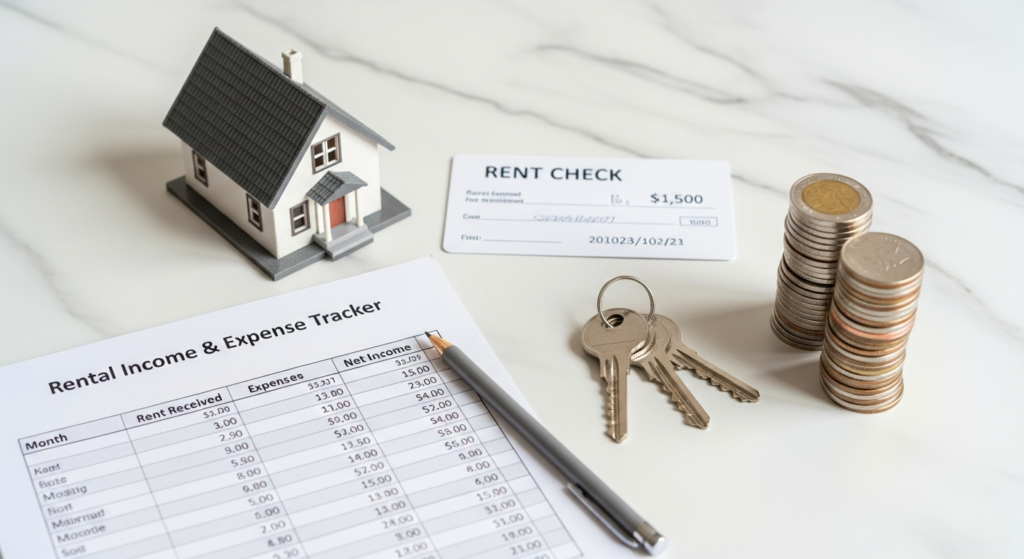
Unlocking Rental Property Income: A Beginner’s Comprehensive Guide to Real Estate Investing
For many aspiring investors, the allure of rental property income represents a tangible path to wealth accumulation and passive income generation. Unlike the often abstract nature of stock market investments, real estate offers a physical asset that can be seen, touched, and understood. This guide, tailored for beginners on TradingCosts, delves into the fundamental principles, opportunities, and challenges of investing in rental properties, providing a data-driven perspective to inform your journey. We aim to equip you with the knowledge to approach real estate investment with confidence, understanding both its potential rewards and inherent risks.
Understanding Rental Property as an Investment Vehicle
Rental property investment is the acquisition of real estate with the primary goal of generating income through rent payments and potential appreciation in property value. It stands as a cornerstone of many successful financial portfolios, distinct from other asset classes due to its unique characteristics.
The Dual Income Stream: Cash Flow and Appreciation
At its core, rental property offers two primary avenues for financial return:
- Cash Flow: This is the net income remaining after all operating expenses (mortgage, taxes, insurance, maintenance, vacancies) are paid from the gross rental income. Positive cash flow is crucial for sustainable investment, providing regular income to the investor.
- Appreciation: Over time, the market value of the property may increase, allowing the investor to sell it for a profit. Historically, residential real estate in the U.S. has appreciated at an average rate of approximately 3-5% annually over the long term, though this varies significantly by market and economic conditions. For instance, the S&P CoreLogic Case-Shiller U.S. National Home Price Index showed a 10-year average annual growth rate of 5.5% as of December 2023, reflecting a robust period of growth.
Leverage: Magnifying Returns (and Risks)
One of the most powerful aspects of real estate investing is the ability to use leverage, primarily through mortgages. By putting down a relatively small percentage of the property’s value (e.g., 20-25% for an investment property), an investor can control a much larger asset. If the property appreciates by 5%, that 5% gain is applied to the total property value, not just your down payment, significantly amplifying your return on initial investment. However, leverage is a double-edged sword; it also magnifies losses if the property value declines or if expenses outweigh income.
Comparison to Other Asset Classes
When considering rental properties, it’s useful to compare their potential returns and risks to other common investments:
- Stocks (e.g., S&P 500): Historically, the S&P 500 has delivered an average annual return of about 10-12% over the long term (including dividends), often with greater liquidity than real estate. However, stock market returns can be more volatile and lack the tangible asset backing or leverage opportunities of direct real estate.
- Bonds: Generally offer lower, more stable returns (e.g., U.S. Treasury bonds yielding 4-5% in early 2024 for 10-year notes) with less risk than stocks or real estate, but also less potential for significant growth.
- Rental Property: Offers a blend of cash flow, potential appreciation, and tax advantages (depreciation, expense deductions), but comes with illiquidity, management responsibilities, and higher transaction costs. Gross rental yields typically range from 4% to 8% in many markets, before accounting for expenses.
The decision to invest in rental property often comes down to an investor’s risk tolerance, time horizon, and desire for active involvement versus passive investment.
Types of Rental Properties & Investment Avenues
The world of rental property investment offers a diverse landscape, ranging from direct ownership to more passive, indirect approaches. Understanding these options is crucial for beginners to align their investment strategy with their financial goals and comfort level.
Direct Ownership: Active Landlording
- Single-Family Homes (SFH): Often the entry point for many new investors. SFHs typically attract long-term tenants (families), potentially leading to lower turnover. They can also be easier to finance. However, they are a single point of failure for vacancy and maintenance.
- Multi-Family Properties (Duplexes, Triplexes, Quads): Investing in properties with 2-4 units can offer better cash flow stability, as a vacancy in one unit doesn’t eliminate all rental income. They can also qualify for residential mortgages, which often have better terms than commercial loans for larger properties. Management can be more complex than SFHs.
- Larger Multi-Family (Apartment Buildings): Typically requires substantial capital and often commercial financing. Offers greater economies of scale in management and maintenance, but also higher risk and complexity. Generally not a beginner’s starting point for direct ownership.
- Short-Term Rentals (e.g., Airbnb, VRBO): Offers potentially higher nightly rates but comes with significantly more active management (cleaning, guest communication, frequent turnover) and regulatory challenges in many areas. Profitability is highly sensitive to occupancy rates and local tourism.
Indirect & Passive Investment: Hands-Off Approaches
For those seeking exposure to real estate without the responsibilities of direct landlording, several passive options exist:
- Real Estate Investment Trusts (REITs): These are companies that own, operate, or finance income-generating real estate. They are publicly traded on stock exchanges, similar to mutual funds, and are required to distribute at least 90% of their taxable income to shareholders annually in the form of dividends. REITs offer liquidity, diversification across various property types (residential, commercial, industrial, healthcare), and professional management. You can invest in REITs through standard brokerage accounts (e.g., Fidelity, Vanguard, Charles Schwab). Historically, REITs have provided competitive total returns, often exceeding the S&P 500 in certain periods, while also offering attractive dividend yields (e.g., average dividend yield for equity REITs was around 3-4% in early 2024).
- Real Estate Crowdfunding: Platforms like Fundrise, CrowdStreet, and RealtyMogul allow individual investors to pool money to invest in larger real estate projects (residential, commercial, development) that would otherwise be inaccessible. Investors can choose between equity (owning a share of the property) or debt (lending money to the developer) investments. Returns vary widely depending on the project, but some platforms target annualized returns of 6-12% for debt investments and 8-15%+ for equity. It offers diversification across projects and geographies but typically involves illiquid investments with holding periods of several years.
- Turnkey Rental Properties: These are properties that have already been renovated, often have a tenant in place, and are managed by a third-party property management company from day one. Companies like Roofstock specialize in connecting investors with turnkey properties. This option significantly reduces the initial effort for investors but comes with a premium price and requires thorough due diligence on the property, tenant, and management company.
The Financial Mechanics: Income, Expenses, and ROI
A successful rental property investment hinges on a thorough understanding of its financial mechanics. For beginners, it’s crucial to move beyond gross rental income and analyze the true profitability.
Calculating Potential Income
The primary income source is rent. Researching comparable rental rates in your target market is essential. Websites like Zillow, Rentometer, and local property management companies can provide valuable data. Consider factors like property size, amenities, condition, and location. Don’t overprice; an empty unit generates zero income.
Identifying and Estimating Expenses
This is where many beginners falter. Operating expenses can easily consume 35-50% or more of your gross rental income. Key expense categories include:
- Mortgage Payments: Principal and interest. This is often the largest fixed expense.
- Property Taxes: Varies significantly by location. Research local tax rates thoroughly.
- Insurance: Landlord insurance is distinct from homeowner’s insurance and typically costs more. Factor in potential flood or earthquake insurance if applicable.
- Vacancy Allowance: Even with good tenants, units will be vacant between leases. A prudent investor budgets for 5-10% of gross rent for vacancy. The national average vacancy rate for rental units in Q4 2023 was 6.6%, according to the U.S. Census Bureau.
- Repairs and Maintenance: This is a variable but inevitable expense. Budget at least 1% of the property’s value annually, or a fixed amount per unit (e.g., $50-$100 per unit per month). Examples include leaky faucets, HVAC repairs, roof issues, and landscaping.
- Property Management Fees: If you hire a property manager, expect to pay 8-12% of the monthly gross rent, plus potential fees for tenant placement (often 50-100% of one month’s rent).
- Utilities: If not paid by the tenant (e.g., water, sewer, trash for multi-family units).
- Capital Expenditures (CapEx): Major, infrequent expenses like roof replacement, HVAC system overhaul, or driveway repair. While not a monthly operating expense, it’s critical to save for these. Many investors budget $100-$200 per month per unit for CapEx.
- Homeowners Association (HOA) Fees: If applicable, for condos or some planned communities.
- Advertising/Tenant Placement Costs: Even if self-managing, there are costs associated with finding new tenants.
Calculating Cash Flow and Return on Investment (ROI)
Cash Flow = Gross Rental Income – Total Operating Expenses (including mortgage, taxes, insurance, vacancy, maintenance, management fees)
Cash-on-Cash Return = Annual Cash Flow / Total Cash Invested (down payment + closing costs + initial repairs)
A common benchmark for a good cash-on-cash return is 8-12% or higher, though this varies by market and investor goals. This metric is particularly useful for comparing different investment opportunities.
Total ROI = (Annual Cash Flow + Principal Paydown + Appreciation – Capital Expenditures) / Total Cash Invested
This provides a more holistic view, including the benefits of mortgage principal reduction and property value growth. Many successful investors target a total ROI of 15-20% or more over the long term.
Key Considerations Before Investing
Embarking on your first rental property investment requires careful planning and due diligence. Several factors will significantly influence your success and the overall experience.
Location, Location, Location
The adage holds true: location is paramount. A desirable location impacts tenant demand, rental rates, and property appreciation. Look for areas with:
- Strong Job Growth: A robust economy attracts residents.
- Population Growth: Indicates increasing demand for housing.
- Good Schools: A magnet for families, especially for single-family homes.
- Amenities and Infrastructure: Proximity to transportation, shopping, parks, and entertainment.
- Low Crime Rates: Essential for tenant safety and property value.
- Landlord-Friendly Laws: Some states/cities have more favorable regulations for landlords regarding evictions, rent control, and tenant rights.
Research local market trends meticulously using resources like local real estate boards, economic development agencies, and online data providers.
Financing Your Investment
Most investors will utilize financing. Options include:
- Conventional Mortgages: For investment properties, these typically require a larger down payment (20-25%) and may have slightly higher interest rates than owner-occupied loans. Your debt-to-income ratio and credit score (ideally 720+) will be critical.
- FHA Loans: Primarily for owner-occupied properties, but you can potentially buy a multi-family property (2-4 units) if you live in one of the units. Requires a lower down payment (3.5%).
- Portfolio Loans: Offered by some local banks for investors with multiple properties.
- Hard Money Loans: Short-term, high-interest loans from private lenders, often used for distressed properties requiring significant renovation. Not ideal for beginners unless partnered with experienced investors.
Shop around for the best rates and terms. A difference of even 0.25% on an interest rate can mean tens of thousands of dollars over the life of a loan.
Due Diligence: Research and Risk Assessment
Before making an offer, conduct thorough due diligence:
- Property Inspection: Always hire a professional inspector to identify structural issues, potential repairs, and safety concerns. This can reveal hidden costs.
- Market Analysis: Compare the property to recently sold homes (comparables or “comps”) and current rental listings to ensure you’re paying a fair price and can achieve desired rental rates.
- Financial Projections: Create a detailed spreadsheet of all potential income and expenses. Use conservative estimates for rental income and generous estimates for expenses. What is your worst-case scenario cash flow?
- Legal Review: Understand local landlord-tenant laws, zoning regulations, and any HOA covenants.
Managing Your Rental Property: Active vs. Passive Approaches
Once you own a rental property, the journey shifts to effective management. This involves everything from tenant relations to maintenance, and you have a fundamental choice: self-management or professional management.
Self-Management: The Hands-On Approach
If you choose to self-manage, you will be responsible for:
- Tenant Screening: This is paramount. Thoroughly vet applicants through credit checks, background checks, employment verification, and past landlord references. A bad tenant can be devastating financially and emotionally. Platforms like TurboTenant or Avail can help streamline this process.
- Lease Agreements: Utilize legally sound, state-specific lease agreements.
- Rent Collection: Set up clear payment methods and enforce late fees consistently. Online payment portals (e.g., Buildium, AppFolio, Zillow Rental Manager) can simplify this.
- Maintenance and Repairs: Be available to address issues promptly. Build a network of reliable contractors (plumbers, electricians, handymen).
- Legal Compliance: Stay abreast of fair housing laws, eviction procedures, and habitability standards.
- Financial Record-Keeping: Meticulously track all income and expenses for tax purposes.
Self-management offers direct control and saves on management fees, but it demands significant time, effort, and can be emotionally taxing. It’s often suitable for investors with a few local properties and a willingness to learn.
Professional Property Management: The Hands-Off Approach
Hiring a property management company can free up your time and reduce stress, making your investment more truly “passive.” Their services typically include:
- Marketing and advertising vacancies.
- Tenant screening and placement.
- Rent collection and financial reporting.
- Handling maintenance requests and coordinating repairs.
- Managing evictions and legal compliance.
As mentioned, fees typically range from 8-12% of gross monthly rent, plus potential additional charges for lease-up or eviction processes. While this cuts into your cash flow, a good property manager can often mitigate this by:
- Reducing vacancy periods through efficient marketing.
- Placing higher quality tenants, leading to fewer issues.
- Negotiating better rates with contractors.
- Ensuring legal compliance, avoiding costly lawsuits.
This option is ideal for out-of-state investors, those with multiple properties, or individuals who simply prefer a more hands-off approach. Thoroughly vet potential property managers by checking references, reviewing their contracts, and understanding their fee structure.
Risks and Challenges in Rental Property Investment
While rental property income offers compelling advantages, it’s crucial for beginners to understand and prepare for the inherent risks and challenges. Acknowledging these helps in developing a robust investment strategy and managing expectations.
Market Risk
Real estate markets are cyclical. Property values and rental rates can fluctuate due to economic downturns, local job losses, oversupply of housing, or changes in interest rates. A property purchased at the peak of a market might take years to regain its value, impacting appreciation-based returns. For instance, the 2008 financial crisis saw U.S. home values decline by over 20% in many areas.
Vacancy Risk
Empty units generate no income but still incur expenses. Extended vacancies can quickly erode profitability. Factors contributing to vacancy risk include:
- Poor location or undesirable property features.
- Overpriced rent compared to market rates.
- Economic downturns leading to reduced tenant demand.
- High tenant turnover.
Budgeting for vacancy (5-10% of gross rent) is essential to absorb these periods.
Tenant Risk
Managing tenants can be one of the most challenging aspects of rental property investment. Risks include:
- Non-Payment of Rent: Requires eviction proceedings, which are costly, time-consuming, and emotionally draining. Legal fees for an eviction can range from $500 to several thousand dollars, plus lost rent.
- Property Damage: Tenants may cause intentional or unintentional damage beyond normal wear and tear, necessitating expensive repairs.
- Legal Issues: Disputes over security deposits, habitability, or discrimination can lead to lawsuits.
Thorough tenant screening is the best defense against these risks.
Liquidity Risk
Real estate is an illiquid asset. Converting a property into cash can take months, even years, depending on market conditions. This contrasts sharply with selling stocks, which can be done in seconds. Investors should ensure they have adequate emergency funds outside their real estate investments.
Maintenance and Capital Expenditure Risk
Unexpected repairs (e.g., a burst pipe, HVAC failure) can be very expensive. Capital expenditures (e.g., new roof, major appliance replacement) are also inevitable and require substantial savings. Underestimating these costs is a common mistake for beginners. A general rule of thumb is to budget at least 1% of the property’s value annually for maintenance and repairs, plus additional savings for CapEx.
Interest Rate Risk
Rising interest rates can impact the profitability of new acquisitions by increasing mortgage costs. For existing properties, rising rates can also affect the broader market, potentially slowing appreciation or making it harder for future buyers to qualify, thus impacting exit strategies.
Regulatory and Legal Risk
Landlord-tenant laws vary by jurisdiction and can change. New regulations regarding rent control, eviction moratoriums, or stricter habitability standards can impact profitability and operational procedures. Staying informed about local, state, and federal housing laws is critical.
Frequently Asked Questions About Rental Property Income
Q1: How much money do I need to start investing in rental properties?
A1: This varies significantly. For a conventional mortgage on an investment property, you’ll typically need a 20-25% down payment, plus closing costs (2-5% of the loan amount), and funds for initial repairs or reserves. For a $200,000 property, this could mean $40,000-$50,000 for the down payment, plus $4,000-$10,000 for closing costs, and potentially $5,000-$10,000 in reserves. Indirect methods like REITs or crowdfunding can start with as little as $500 to $5,000.
Q2: Is rental property a good investment for passive income?
A2: It can be, but it’s rarely truly “passive” in the way a dividend stock might be. Direct ownership often requires significant active management, especially if you self-manage. Hiring a property manager makes it much more passive, but this comes with a cost (typically 8-12% of gross rent). Indirect investments like REITs or real estate crowdfunding are generally more passive from a management perspective.
Q3: What’s a good cash-on-cash return to aim for?
A3: A common target for a “good” cash-on-cash return is 8-12% or higher. However, what’s considered good depends on your market, risk tolerance, and investment goals. Some investors prioritize appreciation and are content with lower cash flow, while others focus solely on strong cash flow. Always compare against alternative investments and ensure it meets your personal financial objectives.
Q4: How important is a property manager, and when should I hire one?
A4: A property manager is crucial if you live far from your property, have limited time, or prefer a hands-off approach. They handle day-to-day operations, tenant issues, and maintenance. You should consider one if you’re not prepared for the significant time commitment and potential stress of self-management, or if you’re scaling up to multiple properties. While they charge fees, a good manager can often save you money and headaches in the long run.
Q5: What are the tax benefits of owning rental property?
A5: Rental property owners can benefit from several tax advantages, including deducting operating expenses (mortgage interest, property taxes, insurance, repairs, property management fees), and depreciation. Depreciation allows you to deduct a portion of the property’s value (excluding land) over 27.5 years for residential properties, which can significantly reduce your taxable rental income, often creating a “paper loss” even if the property is cash-flowing. Consult with a qualified tax advisor to understand the specific implications for your situation.
Conclusion
Investing in rental property income offers a compelling avenue for wealth creation, combining the potential for steady cash flow with long-term asset appreciation. For beginners, the journey requires meticulous planning, thorough due diligence, and a realistic understanding of both the opportunities and challenges involved. Whether you opt for the hands-on approach of direct ownership or prefer the passive nature of REITs and crowdfunding, a data-driven mindset, coupled with a commitment to understanding market dynamics and financial mechanics, will be your greatest assets.
While the prospect of becoming a landlord can seem daunting, the rewards of building a diversified portfolio with tangible assets can be substantial. Remember to start small, educate yourself continuously, and always factor in potential risks. With a clear strategy and a pragmatic approach, rental property investment can indeed become a powerful engine for your financial freedom.
Disclaimer:
This article is for informational purposes only and does not constitute financial, investment, or legal advice. Investing in real estate carries inherent risks, and past performance is not indicative of future results. Always consult with a qualified financial advisor, real estate professional, and tax specialist before making any investment decisions.