Setting Clear Financial Goals for 2026: Your Roadmap to Savings
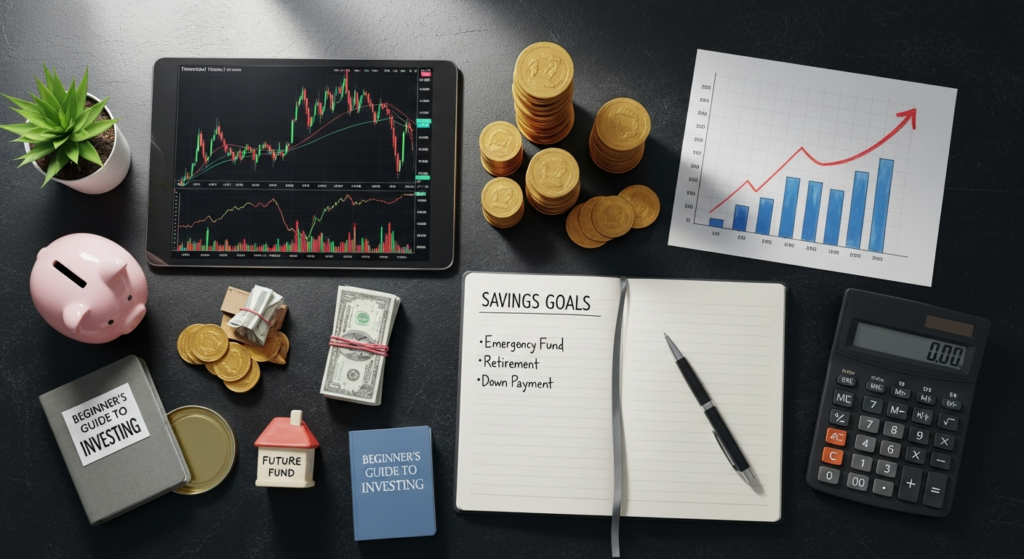
Before you can embark on the journey of saving money, it’s paramount to define exactly what you’re saving for. Establishing clear, actionable financial goals serves as your roadmap, providing direction and motivation. Without a destination, any path will do, but with a specific goal, you can plot the most efficient and effective course to get there. For 2026, take the time to sit down and envision your financial future, both short-term and long-term.
Defining SMART Goals for Maximum Impact
The most effective financial goals adhere to the SMART framework: Specific, Measurable, Achievable, Relevant, and Time-bound. Generic aspirations like “I want to save more money” often fall short because they lack clarity and accountability. Instead, transform them into something concrete:
- Specific: Instead of “save more,” aim for “save $10,000 for a down payment on a house.”
- Measurable: How will you track progress? “Save $800 each month to reach my $10,000 goal.”
- Achievable: Is the goal realistic given your current income and expenses? Stretch goals are good, but impossible goals lead to discouragement.
- Relevant: Does this goal align with your broader life values and other financial objectives? Is it truly important to you?
- Time-bound: Set a deadline. “Save $10,000 by December 31, 2026.”
By applying the SMART criteria, you create a tangible target that you can actively work towards. This process forces you to consider the practical steps required and ensures your efforts are focused.
Distinguishing Short-Term, Mid-Term, and Long-Term Objectives
Your financial goals will naturally fall into different time horizons, each requiring a tailored approach:
- Short-Term Goals (1-2 years): These often include building or replenishing an emergency fund (3-6 months of living expenses), saving for a vacation, or paying off a small high-interest debt. These goals provide immediate financial security and often serve as a foundation for larger aspirations.
- Mid-Term Goals (3-5 years): This category might encompass saving for a car down payment, a significant home renovation, or contributing to a child’s education fund. These require more consistent savings and potentially some low-risk investment strategies.
- Long-Term Goals (5+ years): Retirement planning, a substantial down payment on a property, or significant wealth accumulation fall into this category. These goals benefit immensely from the power of compounding and strategic investing over time.
By categorizing your goals, you can allocate your savings and investment capital appropriately, ensuring that funds for immediate needs are not tied up in long-term, illiquid assets, and vice-versa. Regularly reviewing your progress against these goals, perhaps quarterly or bi-annually in 2026, will help you stay on track and make necessary adjustments.
Mastering Your Budget and Spending Habits in 2026

A budget isn’t a restriction; it’s a financial blueprint that gives you control over your money. For 2026, mastering your budget is perhaps the single most impactful step you can take towards saving money. It allows you to see exactly where your money is going, identify areas for improvement, and allocate funds towards your financial goals.
Creating an Effective Budget: The Foundation of Savings
There are several popular budgeting methods, and the best one for you is the one you can stick to consistently:
- The 50/30/20 Rule: This simple yet effective method suggests allocating 50% of your after-tax income to Needs (housing, utilities, groceries, transportation), 30% to Wants (entertainment, dining out, subscriptions), and 20% to Savings & Debt Repayment (emergency fund, retirement, credit card debt). It provides a clear framework without being overly restrictive.
- Zero-Based Budgeting: With this method, you assign every dollar of your income a job until your income minus your expenses equals zero. This ensures that no money is unaccounted for and forces you to be intentional about every expenditure. It’s highly effective for those who want maximum control.
- Envelope System: A physical or digital version of allocating cash to specific categories. Once the money in an “envelope” is gone, you stop spending in that category until the next pay period. This is excellent for curbing overspending in variable categories like groceries and entertainment.
Regardless of the method you choose, the key is to be honest with yourself about your income and expenses. Utilize budgeting apps, spreadsheets, or even pen and paper to meticulously track every dollar.
Identifying and Reducing Discretionary Spending
Once your budget is established, the next crucial step is to identify areas where you can cut back. Discretionary spending – money spent on non-essential items and services – is often the easiest target for savings. In 2026, take a hard look at:
- Subscription Services: Are you using all those streaming services, gym memberships, or app subscriptions? Cancel those you rarely use.
- Dining Out & Takeaway: While enjoyable, this can be a significant money drain. Plan meals, cook at home more often, and pack your lunch.
- Impulse Purchases: Online shopping and casual trips to stores can lead to buying things you don’t need. Implement a 24-hour rule before making non-essential purchases.
- Entertainment: Look for free or low-cost alternatives for fun, such as parks, libraries, or home-based activities.
Small cuts across multiple categories can add up to substantial savings over the year. The goal isn’t to deprive yourself but to be mindful and intentional about where your money goes, ensuring it aligns with your financial priorities.
Automating Your Savings for Consistency
One of the most powerful strategies for saving money is to automate the process. “Pay yourself first” by setting up automatic transfers from your checking account to your savings or investment accounts immediately after your paycheck hits. In 2026, make this a non-negotiable part of your financial routine. Whether it’s $50, $100, or more, consistently moving money aside before you have a chance to spend it ensures your savings goals are prioritized. This also helps build financial discipline and reduces the temptation to dip into funds designated for future growth.
Strategic Debt Reduction in 2026: Paving the Way for Wealth
How To Get Out Credit Card Debt: Effective Strategies
Credit card debt is notoriously insidious due to its high-interest rates, which can make it feel like you’re running on a financial treadmill, making payments but never getting ahead. If you’re wondering How To Get Out Credit Card Debt, here are some proven strategies for 2026:
- Prioritize High-Interest Debt (Debt Avalanche Method): List all your debts from highest interest rate to lowest. Make minimum payments on all debts except the one with the highest interest rate. Throw every extra dollar you can find at that highest-interest debt until it’s paid off. Then, take the money you were paying on that debt and apply it to the next highest-interest debt. This method saves you the most money on interest over time.
- Snowball Method: List your debts from smallest balance to largest. Make minimum payments on all debts except the one with the smallest balance. Pay off the smallest debt first, then apply that payment amount to the next smallest debt. While it may not save as much in interest as the avalanche method, the psychological wins of quickly eliminating smaller debts can provide powerful motivation to keep going.
- Debt Consolidation: Consider consolidating multiple high-interest credit card debts into a single, lower-interest loan. This could be a personal loan, a balance transfer credit card with a 0% introductory APR (be sure to pay it off before the promotional period ends), or even a home equity loan if you own a home. Be cautious with consolidation; ensure the new loan’s interest rate is truly lower and that you don’t incur new debt.
- Negotiate with Creditors: Sometimes, credit card companies are willing to lower your interest rate or settle your debt for a reduced amount, especially if you’re experiencing financial hardship. It never hurts to ask.
- Stop Accumulating New Debt: This is fundamental. Cut up credit cards if necessary, or freeze them. Focus on living within your means and paying cash for purchases.
The mental and financial relief that comes from eliminating credit card debt is immense, freeing up significant cash flow for future savings and investments.
Understanding the Long-Term Impact of Debt on Wealth Accumulation
Beyond the immediate burden of monthly payments, debt has a profound long-term impact on your ability to build wealth. Every dollar spent on interest payments is a dollar that cannot be invested in assets that grow over time. High debt-to-income ratios can also hinder your ability to secure favorable terms for mortgages or other loans in the future. By strategically reducing and eliminating debt in 2026, you’re not just saving money; you’re actively redirecting your financial resources towards building a stronger, more resilient financial future, allowing your money to work for you rather than against you.
Smart Investing for Future Growth in 2026: Making Your Money Work Harder

Saving money isn’t just about cutting expenses; it’s also about growing your existing capital. For 2026, smart investing is a critical component of any comprehensive financial savings strategy. By putting your money to work, you harness the power of compounding and inflation protection, ensuring your savings maintain and grow their purchasing power over time.
How To Start Investing Little Money 2026: Breaking Down Barriers
Many people believe you need a substantial sum to start investing, but that’s a myth. If you’re asking How To Start Investing Little Money 2026, the good news is that it’s more accessible than ever:
- Micro-Investing Apps: Platforms like Acorns or Stash allow you to invest spare change by rounding up everyday purchases, or to invest small, recurring amounts (e.g., $5 a week). They often invest in diversified portfolios of ETFs (Exchange Traded Funds).
- Fractional Shares: Many brokerages now allow you to buy fractions of expensive stocks (like Amazon or Google) with as little as $1. This means you don’t need hundreds or thousands to own a piece of a high-performing company.
- Robo-Advisors: Services like Betterment or Schwab Intelligent Portfolios manage diversified portfolios for you based on your risk tolerance and goals, often with very low minimums (sometimes $0) and low fees. They automate the investment process, making it ideal for beginners.
- Employer-Sponsored Plans (401k/403b): If your employer offers a retirement plan, contribute at least enough to get any matching contributions – that’s essentially free money and a guaranteed return on your investment. You can often start with a small percentage of your paycheck.
- IRAs: Open a Roth or Traditional IRA with a brokerage. You can contribute up to the annual limit, and even small, consistent contributions can grow significantly over decades.
The key is consistency and starting early. Even small amounts invested regularly can compound into substantial wealth over time. Don’t let the perceived barrier of “not enough money” prevent you from beginning your investment journey in 2026.
Diversifying Your Portfolio and Understanding Risk
Diversification is crucial to managing risk in investing. Don’t put all your eggs in one basket. A well-diversified portfolio typically includes a mix of:
- Stocks: Offer potential for higher growth but come with higher volatility.
- Bonds: Generally more stable, providing income and acting as a cushion during market downturns.
- Exchange-Traded Funds (ETFs) and Mutual Funds: These hold a basket of many stocks or bonds, providing instant diversification across various companies, industries, and asset classes. They are excellent choices for beginners.
- Real Estate: Can be a long-term wealth builder, either through direct ownership or REITs (Real Estate Investment Trusts).
Your asset allocation should align with your risk tolerance and time horizon. Younger investors with a longer time horizon can generally afford to take on more risk (higher stock allocation), while those closer to retirement might prefer a more conservative approach.
Exploring Advanced Strategies: Options Trading Beginners Guide
For those who have established a solid financial foundation, built an emergency fund, and are consistently investing in diversified portfolios, exploring more advanced strategies can be part of optimizing returns. One such area is options trading. If you’re looking for an Options Trading Beginners Guide, it’s essential to understand that options are complex financial instruments that carry significant risk.
- What are Options? An option is a contract that gives the buyer the right, but not the obligation, to buy or sell an underlying asset (like a stock) at a specified price (strike price) on or before a certain date (expiration date).
- Potential and Risks: Options can offer high leverage, meaning a small price movement in the underlying asset can result in a large percentage gain or loss in the option’s value. This leverage is why they are attractive for potential high returns, but it also amplifies losses, sometimes leading to 100% loss of the premium paid.
- Education is Key: For beginners, extensive education is non-negotiable. Understand calls, puts, strike prices, expiration dates, implied volatility, and various strategies (e.g., covered calls for income, protective puts for hedging).
- Start Small and Paper Trade: Never jump into options trading with significant capital. Start with a small amount, and ideally, practice with a paper trading (simulated) account first to understand the mechanics and risks without real money on the line.
- Not for Primary Savings: Options trading should be considered speculative and only allocated a very small portion of your investable capital, typically money you can afford to lose. It is generally not suitable for core savings or retirement funds, especially for beginners.
While options can be a powerful tool for experienced traders, they require substantial knowledge, disciplined risk management, and are not a “get rich quick” scheme. For most people looking to save money in 2026, focusing on broad-market index funds and long-term diversified investing will be a far more reliable path to wealth accumulation.
Optimizing Everyday Expenses and Lifestyle Choices in 2026
Saving money isn’t always about grand gestures or aggressive investment strategies; often, the most significant impact comes from a series of small, consistent changes to your everyday habits and lifestyle choices. In 2026, take a critical look at how you live and where your money is routinely flowing, and identify opportunities for optimization.
Reducing Utility Bills and Household Costs
Your home can be a significant source of recurring expenses, but many of these can be managed:
- Energy Efficiency: Simple changes like unplugging electronics (phantom load), switching to LED light bulbs, using smart thermostats, and ensuring proper insulation can significantly reduce electricity and heating/cooling costs. Consider energy audits to identify major inefficiencies.
- Water Conservation: Fix leaky faucets, take shorter showers, and consider water-efficient appliances.
- Negotiate Bills: Don’t be afraid to call your internet, cable, or even insurance providers annually to inquire about better deals or negotiate lower rates. Often, loyalty discounts or competitor matching can save you hundreds over the year.
- Review Insurance Policies: Shop around for better rates on home, auto, and health insurance. Ensure you’re not over-insured or under-insured and that you’re taking advantage of all eligible discounts.
Smart Shopping and Meal Planning Strategies
Groceries and household items are another major recurring expense that can be optimized:
- Meal Planning: Plan your meals for the week, create a shopping list, and stick to it. This reduces impulse buys and food waste. Cooking at home is almost always cheaper and often healthier than eating out.
- Bulk Buying (Wisely): Purchase non-perishable items and frequently used goods in bulk when they are on sale, but only if you have space to store them and will genuinely use them before they expire.
- Utilize Sales and Coupons: Pay attention to weekly flyers, digital coupons, and loyalty programs. Never pay full price if you don’t have to.
- Generic Brands: Often, store-brand products are just as good as their name-brand counterparts but at a fraction of the cost.
- Second-Hand Shopping: For clothing, furniture, books, and even electronics, consider thrift stores, consignment shops, and online marketplaces. You can find high-quality items for significantly less.
Cutting Unnecessary Subscriptions and Memberships
The rise of subscription services has made it easy to accumulate recurring monthly charges that can quickly add up. In 2026, conduct a thorough audit:
- Audit Regularly: Go through your bank statements and credit card bills every few months to identify all recurring charges.
- Cancel Unused Services: Be ruthless. If you haven’t used a streaming service, gym membership, app subscription, or delivery service in months, cancel it. You can always resubscribe later if you genuinely miss it.
- Bundle Services: Sometimes, bundling internet, phone, and TV can offer savings, but compare against individual service costs.
- Share Accounts (Ethically): If allowed by the service provider, consider sharing family plans for streaming or music services to split costs.
By consciously evaluating and optimizing these everyday expenses, you’ll free up significant amounts of money that can be directed towards your savings goals, debt repayment, or investments, without feeling like you’re making drastic sacrifices.
Diversifying Income Streams for Enhanced Savings in 2026
While cutting expenses is a powerful way to save money, another equally effective strategy is to increase your income. By diversifying your income streams in 2026, you not only boost your earning potential but also build financial resilience, providing more capital to allocate towards savings, debt reduction, and investments.
Exploring Side Hustles and the Gig Economy
The digital age has made it easier than ever to earn extra money outside of your primary job. Consider leveraging your skills or free time with a side hustle:
- Freelancing: If you have skills in writing, graphic design, web development, marketing, or consulting, platforms like Upwork or Fiverr connect you with clients seeking your expertise.
- Gig Economy Jobs: Drive for ride-sharing services (Uber, Lyft), deliver food (DoorDash, Uber Eats), or complete tasks (TaskRabbit) during your spare hours.
- Online Tutoring/Teaching: Share your knowledge in a subject you excel at through online tutoring platforms.
- Selling Goods: Turn hobbies into income by selling handmade crafts, reselling items you find at thrift stores, or decluttering your home and selling unused items on eBay, Facebook Marketplace, or local consignment shops.
- Pet Sitting/Dog Walking: If you love animals, this can be a flexible and enjoyable way to earn extra cash.
Even a few hundred dollars extra per month from a side hustle can significantly impact your savings rate, allowing you to reach your financial goals faster.
Passive Income Opportunities
While “passive” income often requires an initial investment of time or money, once established, it can generate revenue with minimal ongoing effort. For 2026, consider:
- High-Yield Savings Accounts (HYSAs): While not “passive” in the traditional sense, keeping your emergency fund and short-term savings in an HYSA ensures you’re earning the best possible interest rates, letting your money grow without active management.
- Dividend Stocks and REITs: Investing in companies that pay regular dividends or Real Estate Investment Trusts (REITs) can provide a steady stream of income. Reinvesting these dividends can also accelerate your wealth accumulation through compounding.
- Rental Properties: If you have the capital, investing in rental real estate can generate monthly income and long-term appreciation, though it requires active management or a property manager.
- Create Digital Products: Develop and sell an e-book, an online course, stock photos, or templates that can generate sales long after the initial creation.
- Peer-to-Peer Lending: Platforms allow you to lend money to individuals and earn interest on those loans, though it carries credit risk.
Building passive income streams takes time and strategic planning, but the long-term benefits of having money flow in without constantly trading your time for it are invaluable for financial freedom.
Upskilling and Career Advancement
Sometimes, the most direct path to increasing your income is within your current career. In 2026, invest in yourself:
- Acquire New Skills: Take courses, earn certifications, or pursue advanced degrees that make you more valuable in your field. This can lead to promotions, raises, or better job opportunities.
- Negotiate Your Salary: Research market rates for your position and industry. When it’s time for a performance review, be prepared to advocate for a raise based on your contributions and market value.
- Network: Build professional connections that can open doors to new opportunities and insights.
A higher primary income provides a larger base from which to save and invest, often yielding the most significant impact on your financial standing.
Conclusion: Your Path to Financial Success in 2026
Saving money in 2026 isn’t a singular event but a continuous journey built on a foundation of conscious choices and consistent effort. From setting clear, actionable financial goals and mastering your budget to strategically tackling debt and intelligently investing, each step plays a vital role in building a more secure and prosperous future. Embrace the power of automation, optimize your everyday spending, and explore diversified income streams to accelerate your progress.
Remember, financial success is a marathon, not a sprint. There will be challenges and setbacks, but with discipline, patience, and the actionable strategies outlined in this guide, you are well-equipped to navigate the economic landscape of 2026 and achieve your saving aspirations. Start today, stay committed, and watch your financial future transform.
Frequently Asked Questions
Recommended Resources
Related reading: Startup Marketing On A Budget (Page Release).
Explore Best Content Creation Tools For Marketers In 2025 for additional insights.