Understanding the Landscape of Your Credit Card Debt
Before you can effectively tackle your credit card debt, you must first understand its nature and scope. This initial diagnostic step is crucial for formulating a targeted and effective repayment strategy. Think of it as mapping out the terrain before embarking on a journey.
Gathering All the Details
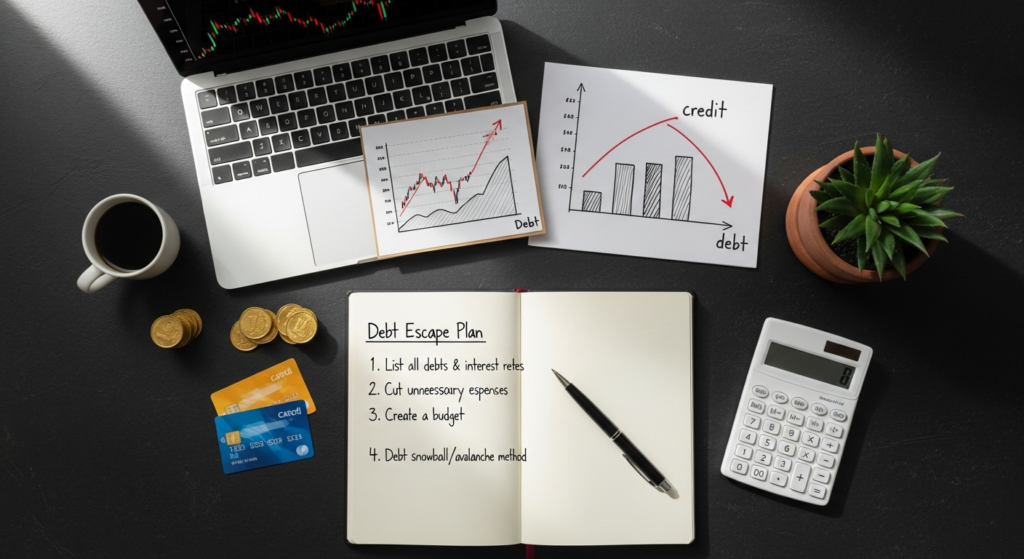
- List All Accounts: Compile a comprehensive list of every credit card you possess. Include store cards, secured cards, and any lines of credit that function similarly.
- Current Balances: For each card, note down the exact outstanding balance. This is the principal amount you owe.
- Interest Rates (APR): This is arguably the most critical piece of information. Identify the Annual Percentage Rate (APR) for purchases on each card. Some cards might have different rates for cash advances or balance transfers, but the purchase APR is usually what’s accumulating most of your debt. High APRs accelerate debt growth exponentially, making them priority targets for repayment.
- Minimum Payments: Document the minimum monthly payment required for each card. While meeting these prevents late fees and damage to your credit score, they often do little to reduce the principal balance, especially on high-interest cards.
- Due Dates: Keep track of the payment due date for each card. Missing a due date can result in late fees and a penalty APR, further complicating your debt repayment efforts.
Analyzing Your Debt Profile
Once you have all the data, take time to analyze it. Which card has the highest balance? Which has the highest interest rate? You might find that a card with a relatively small balance but an exorbitant APR is costing you more in the long run than a card with a larger balance but a lower APR. This analysis will be foundational for deciding which repayment strategy to employ.
The Impact of Credit Card Debt
Understanding the immediate and long-term impact of credit card debt can serve as a powerful motivator. Beyond the financial burden, high credit utilization can negatively affect your credit score, making it harder to secure loans for a home or car, or even to rent an apartment. The psychological toll of debt – stress, anxiety, and a feeling of being trapped – is also significant. Recognizing these consequences can reinforce your commitment to getting out of debt.
Strategic Approaches to Eradicating Credit Card Debt
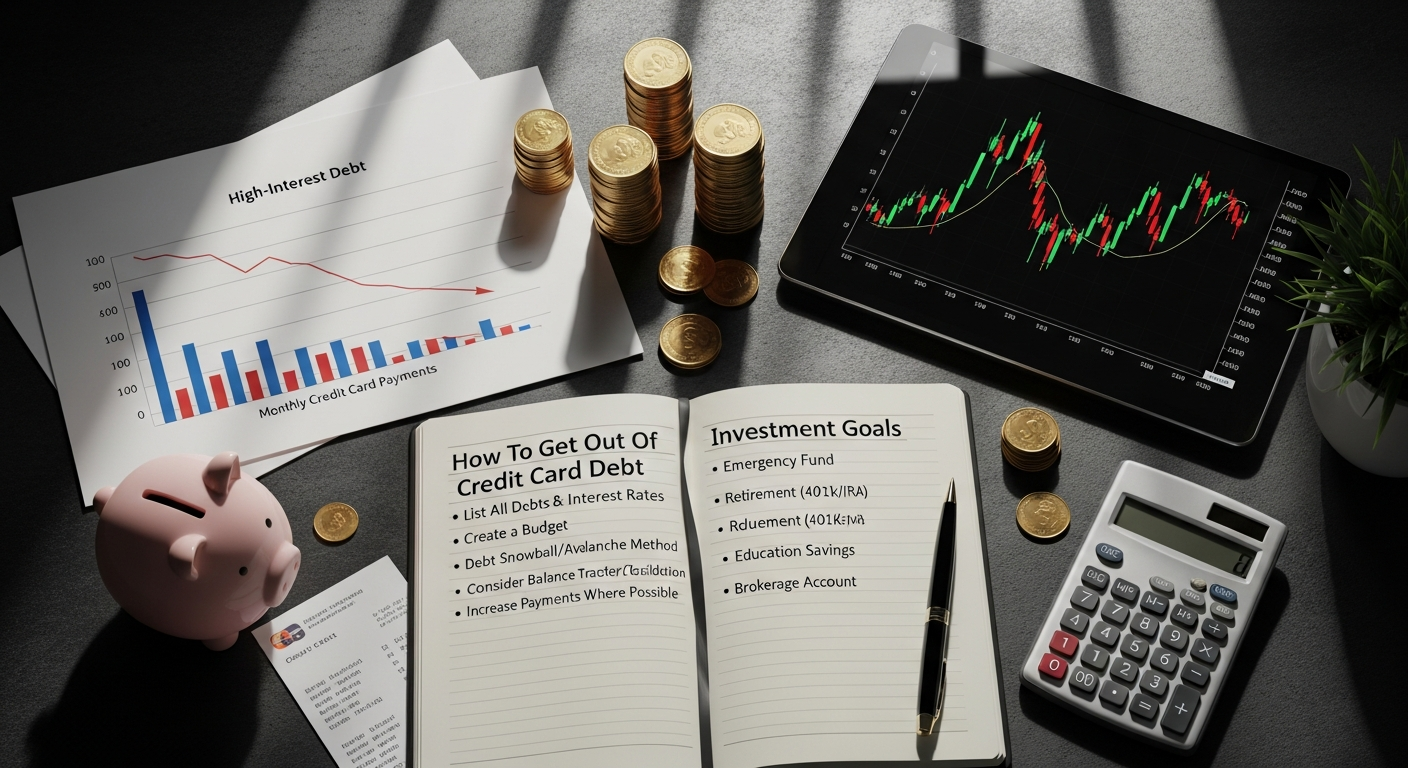
With a clear understanding of your debt, it’s time to choose a strategy. There isn’t a one-size-fits-all solution, but several proven methods can help you systematically reduce and eliminate your credit card debt. The key is to pick one and stick with it diligently.
1. The Debt Snowball Method
Popularized by financial experts, the debt snowball method focuses on psychological wins. Here’s how it works:
- List Debts: Arrange all your credit card debts from the smallest balance to the largest, regardless of interest rate.
- Minimum Payments: Make minimum payments on all cards except the one with the smallest balance.
- Attack the Smallest: Throw every extra dollar you can find at the card with the smallest balance.
- Roll Over: Once the smallest debt is paid off, take the money you were paying on that card (its minimum payment plus any extra you were applying) and add it to the minimum payment of the next smallest debt. This creates a “snowball” effect, as your payments grow larger with each debt you eliminate.
Pros: This method provides quick victories, which can be highly motivating. Seeing debts disappear quickly can help you stay committed to the plan, especially if you feel overwhelmed by the overall amount.
Cons: It might not be the most mathematically efficient method if your smallest debt also has a low interest rate, as you could be paying more interest on larger, higher-APR debts for longer.
2. The Debt Avalanche Method
The debt avalanche method is the mathematically superior approach, saving you the most money in interest charges over time:
- List Debts: Arrange all your credit card debts from the highest interest rate (APR) to the lowest, regardless of balance size.
- Minimum Payments: Make minimum payments on all cards except the one with the highest interest rate.
- Attack the Highest APR: Direct all your extra funds towards paying off the card with the highest interest rate.
- Roll Over: Once that high-APR debt is eliminated, take the money you were paying on it and add it to the minimum payment of the card with the next highest interest rate. Continue this process until all debts are paid.
Pros: This method saves you the most money in interest, leading to a faster overall debt repayment if you stick to the plan.
Cons: It can take longer to see the first debt completely paid off, which might be demotivating for some individuals, especially if their highest-APR debt also has a large balance.
3. Balance Transfers
A balance transfer involves moving debt from one or more high-interest credit cards to a new credit card with a lower, often 0% introductory APR. This can be a powerful tool if used correctly.
- Find a Card: Look for cards offering a 0% APR for 12-24 months on balance transfers.
- Transfer Fees: Be aware that most balance transfers come with a fee, typically 3-5% of the transferred amount. Factor this into your calculations.
- Repayment Plan: Crucially, you must have a solid plan to pay off the transferred balance before the promotional 0% APR period expires. If you don’t, the interest rate will revert to a much higher standard APR, potentially putting you back where you started or worse.
Warning: Do not use the new card for new purchases during the promotional period, as these purchases often accrue interest immediately at the standard APR, defeating the purpose of the balance transfer.
4. Debt Consolidation Loans
A debt consolidation loan is a personal loan that combines multiple debts into a single, new loan, typically with a lower interest rate and a fixed monthly payment over a set period. This simplifies your payments and can reduce your overall interest burden.
- Lower Interest: The primary benefit is often a lower interest rate compared to your credit cards, saving you money.
- Simplicity: One monthly payment makes budgeting easier.
- Fixed Term: A defined end date provides a clear finish line for your debt.
Considerations: You need a decent credit score to qualify for favorable rates. Also, extending the repayment period might mean you pay more interest overall, even with a lower APR, if you don’t pay it off faster. Ensure the loan does not include an origination fee that negates the interest savings.
The Debt Snowball vs. Debt Avalanche Method: Which is Right for You?
Deep Dive into the Debt Snowball
The debt snowball method gained prominence through Dave Ramsey’s financial teachings and is lauded for its psychological impact. Imagine you have five credit cards with the following balances and interest rates:
Card A: $500 (20% APR)
Card B: $1,500 (24% APR)
Card C: $3,000 (18% APR)
Card D: $5,000 (22% APR)
Card E: $8,000 (19% APR)
With the debt snowball, you would order them by balance: Card A, Card B, Card C, Card D, Card E. You’d pay the minimum on B, C, D, E, and then aggressively pay off Card A. Once Card A is gone, you’d roll its payment onto Card B, and so on. The thrill of paying off Card A, then Card B, provides a rush of motivation that can keep you going when the journey feels long. This method is particularly beneficial for individuals who need consistent reinforcement and quick wins to stay motivated. If you’ve struggled with debt repayment in the past due to a lack of visible progress, the snowball method might be your ideal strategy.
Deep Dive into the Debt Avalanche
The debt avalanche method, on the other hand, is the darling of mathematicians and those who prioritize saving money over psychological boosts. Using the same example:
Card A: $500 (20% APR)
Card B: $1,500 (24% APR)
Card C: $3,000 (18% APR)
Card D: $5,000 (22% APR)
Card E: $8,000 (19% APR)
With the debt avalanche, you would order them by APR: Card B (24%), Card D (22%), Card A (20%), Card E (19%), Card C (18%). You’d pay the minimum on A, C, D, E, and then aggressively pay off Card B. Once Card B is gone, you’d roll its payment onto Card D, and so forth. This method ensures that you tackle the most expensive debt first, minimizing the total interest paid over the life of your debt. Over time, this can translate into significant savings, potentially hundreds or even thousands of dollars, which can then be redirected towards future financial goals, such as building an emergency fund or even beginning to explore Options Trading Beginners Guide once your financial house is in order. If you are highly disciplined and motivated by financial efficiency, the avalanche method is generally the superior choice.
Making Your Choice
Consider your personality and financial habits. If you are prone to losing steam without immediate results, the snowball could be more effective simply because it keeps you engaged. If you are a numbers person and can maintain motivation without quick wins, the avalanche will save you more money. The most important thing is to choose a method and stick with it consistently. Either method, applied diligently, will get you out of debt faster than making only minimum payments.
Negotiating with Creditors and Debt Consolidation Options
Sometimes, simply paying down debt isn’t enough, especially if you’re facing significant financial hardship. In such cases, exploring negotiation or more structured consolidation options becomes critical.
Direct Negotiation with Creditors
Don’t be afraid to reach out to your credit card companies directly. They would rather receive some payment than no payment at all. Here’s what you can discuss:
- Lower Interest Rates: Call and ask if they can lower your APR. If you have a good payment history (even if you carry a balance), they might be willing to negotiate, especially if you mention considering a balance transfer to another company.
- Payment Plans: If you’re struggling to make minimum payments, inquire about a hardship program or a temporary payment plan. They might defer payments, reduce your minimums, or even temporarily lower your interest rate.
- Settlements: If your debt is substantial and you’re facing severe hardship (e.g., job loss, medical emergency), some creditors might be willing to settle the debt for less than the full amount. This usually involves paying a lump sum or a series of smaller payments for a reduced total. Be aware that debt settlement can negatively impact your credit score and may have tax implications.
Always get any agreements in writing before sending money.
Debt Management Plans (DMPs)
Offered by non-profit credit counseling agencies, DMPs consolidate your unsecured debts (like credit cards) into one monthly payment. The agency negotiates with your creditors to potentially lower interest rates and waive fees.
- One Payment: You make one payment to the counseling agency, and they distribute it to your creditors.
- Reduced APRs: Creditors often agree to lower interest rates on DMPs because they know they’ll consistently receive payments.
- No New Credit: You typically agree not to take on new credit while on a DMP.
Caution: While DMPs can be very helpful, ensure you choose a reputable, non-profit agency. Be wary of companies that charge high upfront fees or promise unrealistic results.
Debt Settlement Companies
These for-profit companies negotiate with your creditors to settle your debts for less than what you owe. You typically stop paying your creditors and instead make payments into an escrow account held by the settlement company. Once enough money accumulates, the company attempts to negotiate a settlement.
- Potential for Lower Debt: Can reduce the total amount you owe.
Significant Risks:
- Credit Damage: Your credit score will likely take a severe hit as you miss payments during the settlement process.
- Fees: Settlement companies charge substantial fees, often a percentage of the settled amount.
- Taxable Income: The forgiven portion of the debt may be considered taxable income.
- Lawsuits: Creditors are not obligated to settle and may pursue lawsuits or aggressive collection tactics.
Debt settlement should generally be considered a last resort before bankruptcy due to its severe consequences.
Building a Debt-Free Future: Budgeting and Financial Discipline
Getting out of credit card debt is only half the battle; staying out and building a robust financial future is the ultimate goal. This requires a fundamental shift in your financial habits, centered around diligent budgeting and unwavering discipline.
Mastering Your Budget
A budget is not a straitjacket; it’s a financial roadmap that gives you control over where your money goes. Without a budget, it’s nearly impossible to find extra funds for debt repayment or to prevent future debt accumulation.
- Track Everything: For at least a month, meticulously track every dollar you spend. This helps identify “leakage” – small, frequent expenses that add up.
- Categorize Expenses: Divide your spending into fixed expenses (rent, loan payments) and variable expenses (groceries, entertainment).
- Set Limits: Allocate specific amounts for each variable category. Be realistic but firm.
- Find Areas to Cut: Look for expenses you can reduce or eliminate. Even small cuts, like brewing coffee at home instead of buying it daily, can free up significant funds over time. This extra money should be directed straight to your debt repayment.
- The “Why”: Remind yourself why you’re budgeting and cutting expenses – to achieve financial freedom, reduce stress, and eventually have the resources to pursue other financial goals, such as learning How To Start Investing Little Money 2026.
The Power of an Emergency Fund
One of the primary reasons people fall back into credit card debt is unexpected expenses. A robust emergency fund acts as a financial buffer, preventing you from reaching for your credit cards when life throws a curveball.
- Start Small: Aim for a starter emergency fund of $1,000-$2,000 while aggressively paying down debt.
- Build Up: Once your credit card debt is gone, prioritize building your emergency fund to 3-6 months’ worth of essential living expenses. This should be kept in an easily accessible, separate savings account.
Cultivating Financial Discipline
Discipline is the engine that drives your financial plan. It’s about making conscious choices that align with your long-term goals, even when they’re difficult.
- Delayed Gratification: Resist impulse purchases. Practice waiting 24-48 hours before making non-essential buys.
- Mindful Spending: Before every purchase, ask yourself: “Do I truly need this? Does this align with my financial goals?”
- Automate Savings/Payments: Set up automatic transfers to your emergency fund and automatic payments for your credit cards (even if it’s just the minimum, you’ll still manually add extra to your target debt). This removes the temptation to spend the money elsewhere.
- Regular Reviews: Review your budget and progress monthly. Adjust as needed. Celebrate milestones to stay motivated.
By integrating these practices into your daily life, you’ll not only shed your credit card debt but also cultivate habits that will serve as the foundation for lasting financial health and future prosperity, paving the way for more sophisticated financial endeavors like learning about the Options Trading Beginners Guide or how to approach How To Start Investing Little Money 2026 in a responsible manner.
Leveraging Financial Tools and Future Planning
In today’s digital age, a plethora of tools and resources can significantly aid your debt repayment and financial planning efforts. Furthermore, once debt is under control, shifting your focus to strategic future planning becomes paramount.
Utilizing Modern Financial Tools
Technology has made budgeting and tracking expenses easier than ever. The right apps can provide insights, automate tasks, and keep you accountable.
- Budgeting Apps: Many excellent budgeting apps can help you track spending, categorize transactions, and visualize your financial health. Look for apps that offer features like bank account syncing, goal setting, and custom reports. Some of the Best Money Apps Budgeting 2026 will integrate with your banking and investment accounts, giving you a holistic view of your finances.
- Debt Repayment Calculators: Online calculators can show you how much faster you can pay off debt by increasing your payments, and how much interest you’ll save. This can be a powerful motivator.
- Credit Monitoring Services: Keeping an eye on your credit score and report is crucial. Many services offer free credit monitoring, alerting you to changes and potential fraud. This is especially important during debt repayment to track your progress and ensure no errors are impacting your score.
- Automation: Set up automatic payments for all your bills to avoid late fees. Also, automate transfers to your savings or investment accounts once your debt is cleared. This “pay yourself first” approach ensures your financial goals are prioritized.
Strategic Future Financial Planning (Post-Debt)
Once you’ve successfully navigated the challenging path out of credit card debt, your financial landscape transforms dramatically. This is the ideal time to pivot towards wealth building and long-term financial security.
- Rebuild and Grow Savings: Fully fund your emergency savings (3-6 months of expenses). This foundation is non-negotiable for future financial stability.
- Retirement Planning: Start or increase contributions to retirement accounts like a 401(k) or IRA. Take advantage of any employer matching programs; it’s essentially free money.
- Explore Investing: With high-interest debt gone, your money can now work for you. For those starting small, understanding How To Start Investing Little Money 2026 is a critical first step. This might involve low-cost index funds, ETFs, or even fractional shares. The key is consistent, disciplined investing over the long term.
- Advanced Investment Strategies: For those with a solid financial foundation and a higher risk tolerance, exploring more complex strategies such as those found in an Options Trading Beginners Guide can be a next step. However, it’s crucial to stress that options trading, while potentially lucrative, involves significant risk and requires extensive education and a thoroughly funded emergency account. It is absolutely not suitable for anyone still carrying high-interest debt.
- Financial Education: Continuously educate yourself about personal finance, investing, and economic trends. The more you know, the better decisions you can make. Resources like Trading Costs offer valuable insights into market dynamics and investment strategies.
Your journey out of debt is just the beginning of a fulfilling financial life. By using available tools and planning strategically for the future, you can transform your financial situation from one of burden to one of opportunity and growth.
Maintaining Momentum and Staying Debt-Free
Achieving a debt-free status is a monumental accomplishment, but the journey doesn’t end there. Staying out of debt and continuing to build financial resilience requires ongoing vigilance and commitment to your new, healthier financial habits.
Building New Habits and Breaking Old Ones
The behaviors that led to debt in the first place need to be identified and replaced with positive ones. This is a continuous process of self-awareness and adjustment.
- Identify Triggers: Understand what situations or emotions typically led you to overspend or use credit cards excessively. Was it stress, boredom, peer pressure, or an urge for instant gratification?
- Develop Coping Mechanisms: Replace negative spending triggers with healthy alternatives. Instead of retail therapy, try exercise, a hobby, or spending time with loved ones.
- “Pay Yourself First”: Redirect the money you were previously allocating to debt payments into savings and investments. Automate these transfers so you’re consistently building wealth rather than just spending your entire income. This is a cornerstone of long-term financial success.
- Regular Budget Reviews: Even when debt-free, your budget remains your most powerful financial tool. Review it monthly, adjust as life changes, and ensure your spending aligns with your current goals.
Smart Credit Card Usage (or Non-Usage)
Once debt-free, you might choose to stop using credit cards entirely, or you might decide to use them responsibly to continue building a strong credit history. If you choose the latter:
- Pay in Full, Every Month: This is the golden rule. Never carry a balance. Use credit cards for convenience and rewards, but treat them like a debit card – only spend what you already have.
- One Card Rule: Consider keeping only one or two credit cards with good rewards and low fees, rather than multiple cards that can lead to temptation.
- Set Low Credit Limits: If possible, ask your credit card company to lower your credit limit to an amount you are comfortable paying off in full each month. This reduces the potential for overspending.
- Monitor Statements: Regularly check your credit card statements for any unauthorized charges or errors.
Continuing Your Financial Education
The financial world is constantly evolving. Staying informed is key to making wise decisions and adapting to new opportunities and challenges. Continue to read reputable financial blogs, books, and articles. Understanding topics like inflation, interest rate changes, and market trends will empower you to manage your money more effectively. For those on a trading and investing blog like Trading Costs, this means diving deeper into market analysis, understanding different asset classes, and continually refining your investment strategy.
Setting New Financial Goals
With credit card debt behind you, you have the freedom to set exciting new financial goals. This could include:
- Saving for a down payment on a home.
- Funding your children’s education.
- Saving for a dream vacation or major purchase, without using credit.
- Aggressively investing for early retirement.
- Exploring advanced investment strategies, such as those covered in an Options Trading Beginners Guide, but only after a solid financial foundation is built and understood.
By consistently applying these principles, you won’t just get out of credit card debt; you’ll build a foundation for lifelong financial health, security, and the freedom to pursue your most ambitious financial dreams.
Frequently Asked Questions About Credit Card Debt
Can I get out of credit card debt without a high income?
Yes, absolutely. While a higher income can accelerate the process, getting out of credit card debt is primarily about managing your expenses and making strategic repayment choices, not just about how much you earn. Focus on creating a strict budget, identifying areas to cut spending, and consistently applying extra funds to your debt. Even small, consistent payments above the minimum can make a significant difference over time. Utilizing budgeting apps like the Best Money Apps Budgeting 2026 can help you find those extra dollars.
What if I can only afford minimum payments?
If you can only afford minimum payments, you need to revisit your budget with a fine-tooth comb. Look for every possible expense you can reduce or eliminate, even temporarily. Consider ways to increase your income, such as taking on a side hustle or selling unused items. If you truly cannot afford more than minimums and are struggling, contact your credit card companies to discuss hardship programs, or seek help from a non-profit credit counseling agency to explore options like a Debt Management Plan. Only paying minimums will keep you in debt for a very long time, accumulating significant interest.
Will debt consolidation hurt my credit score?
Debt consolidation can have mixed effects on your credit score. If you take out a new personal loan for consolidation, it might temporarily lower your score due to a new hard inquiry and a new account. However, if it helps you pay off high-interest credit card debt, reduce your credit utilization ratio (the amount of credit you’re using versus your total available credit), and make consistent, on-time payments, your score will likely improve significantly over the long term. Balance transfers can also temporarily affect your score by opening a new account, but the benefit of a 0% APR period can outweigh this if managed properly.
When should I start investing, before or after paying off credit card debt?
Generally, it is almost always advisable to pay off high-interest credit card debt before seriously investing. The interest rates on credit cards (often 15-25% or more) are typically much higher than the average returns you can reasonably expect from investments. It’s difficult to out-earn your credit card interest. Once your high-interest debt is eliminated and you have a solid emergency fund, then you can confidently explore options like How To Start Investing Little Money 2026, starting with low-risk, diversified strategies before considering more advanced topics like an Options Trading Beginners Guide.
Are credit counseling agencies legitimate?
Many credit counseling agencies are legitimate, non-profit organizations that can provide valuable assistance. They offer services like budget analysis, financial education, and Debt Management Plans (DMPs), where they negotiate with creditors on your behalf. However, it’s crucial to choose wisely. Look for agencies accredited by reputable organizations like the National Foundation for Credit Counseling (NFCC) or the Financial Counseling Association of America (FCAA). Be wary of for-profit debt settlement companies that promise unrealistic results or charge high upfront fees without clear explanations.
How long does it typically take to get out of credit card debt?
The time it takes to get out of credit card debt varies widely depending on the total amount of debt, the interest rates, and most importantly, how much extra you can pay above the minimums each month. With a dedicated strategy like the debt snowball or avalanche, and by consistently applying extra funds, many people can become debt-free in 2-5 years, sometimes even faster for smaller debts. Without a deliberate strategy and only making minimum payments, it can take decades and cost significantly more in interest. Consistency and discipline are far more impactful than the initial amount owed.
Recommended Resources
Learn more about this topic in How To Find The Lowest Price Guaranteed at Gold Points.
Learn more about this topic in How To Price Products For Ecommerce at E-ComProfits.