Understanding the Foundations: Why Invest and What Are Your Goals?
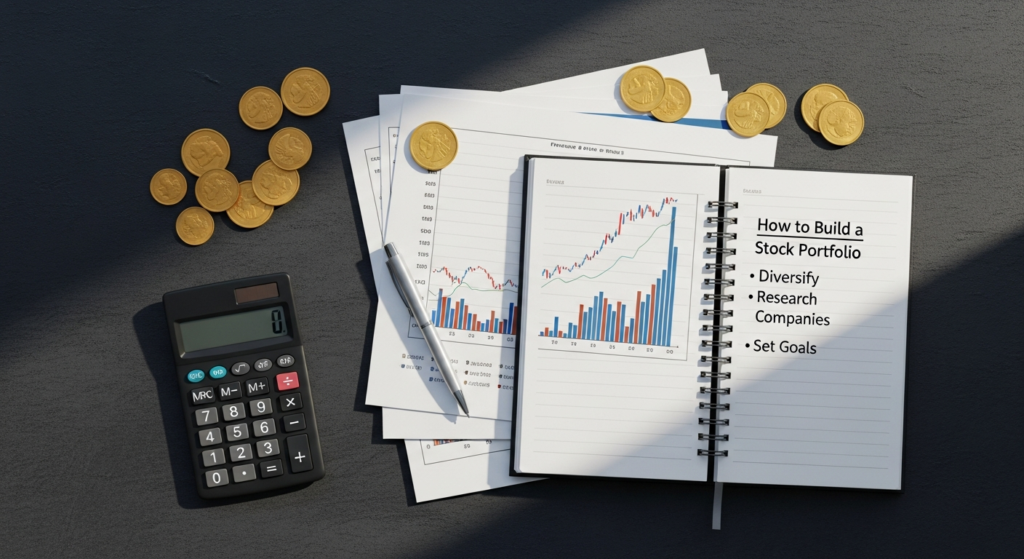
Before you even consider purchasing your first share, it’s crucial to establish a clear understanding of why you want to invest and what you aim to achieve. Investing in the stock market isn’t merely about making quick money; it’s a powerful tool for long-term wealth accumulation, inflation hedging, and achieving significant financial milestones. Defining your objectives will serve as your compass, guiding every decision you make regarding your portfolio.
Defining Your Investment Goals
Your investment goals should be specific, measurable, achievable, relevant, and time-bound (SMART). Common goals include:
- Retirement Planning: Saving enough to live comfortably in your golden years. This is often the longest-term goal, spanning decades.
- Large Purchases: Funding a down payment on a house, a child’s education, or a significant family expense. These typically have medium-term horizons (5-15 years).
- Wealth Accumulation: Simply growing your net worth over time, without a specific immediate purpose, but with an eye towards future financial flexibility.
- Income Generation: Investing in dividend-paying stocks or income-focused ETFs to create a regular stream of passive income.
Each goal will influence the type of investments you choose, the level of risk you’re willing to take, and the duration you plan to hold your assets. For instance, a retirement goal for 2026 will be drastically different from a retirement goal for 2060.
Assessing Your Risk Tolerance
Risk tolerance is arguably the most personal aspect of investing. It refers to your psychological comfort level with the potential for your investments to lose value. Understanding your risk tolerance prevents panic selling during market downturns and ensures your portfolio aligns with your emotional capacity. Factors influencing risk tolerance include:
- Age: Younger investors often have a higher risk tolerance because they have more time to recover from market dips.
- Income Stability: Those with stable jobs and consistent income might be more comfortable with higher risk.
- Financial Obligations: High debt or significant dependents might lead to a lower risk tolerance.
- Personality: Some individuals are naturally more risk-averse than others.
You can often gauge your risk tolerance by asking yourself hypothetical questions: How would you react if your portfolio dropped 10% in a month? 20%? Would you see it as an opportunity to buy more, or would you be overwhelmed with anxiety? Be honest with yourself, as misjudging your risk tolerance can lead to poor decision-making.
Understanding Time Horizon
The time horizon is the length of time you plan to invest before needing to access your money. This directly correlates with risk tolerance. Longer time horizons (10+ years) generally allow for greater exposure to volatile but potentially high-growth assets like stocks, as there’s more time for markets to recover from downturns. Shorter time horizons (under 5 years) usually warrant more conservative investments, such as bonds or cash equivalents, to preserve capital.
By thoroughly understanding your goals, risk tolerance, and time horizon, you lay a solid foundation for building a stock portfolio that is both effective and sustainable for your personal financial journey.
Before You Invest: Financial Housekeeping and Budgeting
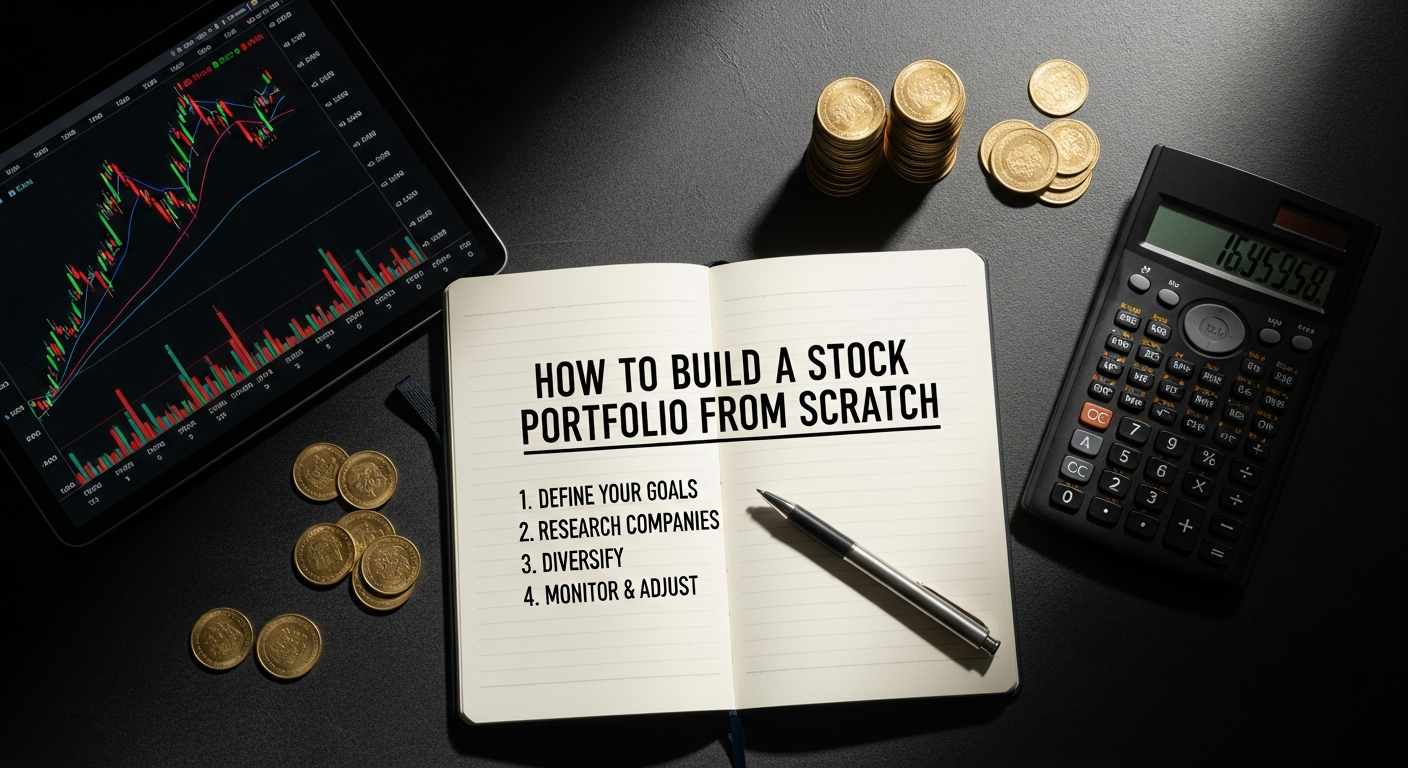
Before you commit any capital to the stock market, it’s paramount to ensure your personal finances are in order. Investing prematurely without a strong financial base can be counterproductive, leading to stress and potentially forcing you to liquidate investments at inopportune times. Think of this stage as preparing the ground before planting your seeds.
Establishing an Emergency Fund
An emergency fund is your financial safety net. It’s a readily accessible pool of money, typically held in a high-yield savings account, designed to cover unexpected expenses like job loss, medical emergencies, or significant home repairs. Experts generally recommend having 3 to 6 months’ worth of essential living expenses saved. For some, especially those with less predictable income or higher dependents, 6 to 12 months might be more appropriate. Do not invest in the stock market until you have a fully funded emergency fund. Dipping into your investment portfolio during a crisis not only disrupts your long-term growth but could also force you to sell assets at a loss.
Tackling High-Interest Debt
One of the most critical steps in preparing for investing is addressing high-interest debt, particularly credit card debt. The interest rates on credit cards can often range from 15% to 25% or even higher. It’s exceedingly difficult, if not impossible, to consistently achieve investment returns that surpass these exorbitant interest charges. Therefore, from a purely mathematical standpoint, paying off high-interest debt is often the best “investment” you can make.
For those asking How To Get Out Credit Card Debt, strategies typically involve:
- Debt Snowball Method: Paying off the smallest balance first to build momentum.
- Debt Avalanche Method: Paying off the debt with the highest interest rate first, saving more money in the long run.
- Balance Transfers: Moving high-interest debt to a card with a 0% introductory APR, giving you time to pay it down without accumulating interest.
- Debt Consolidation Loans: Combining multiple debts into a single loan with a lower interest rate.
Prioritize eliminating these debts before directing significant funds to the stock market. Low-interest debts, like mortgages or student loans (especially those with rates below what you reasonably expect to earn from investments), can sometimes be managed alongside investing, but high-interest debt is usually a showstopper.
Creating a Budget and Identifying Disposable Income
A budget is your financial roadmap. It helps you understand where your money is going and identify areas where you can save. By tracking your income and expenses, you can determine how much disposable income you have each month that can be allocated towards investing. This isn’t about deprivation; it’s about intentional spending and saving. Use budgeting apps, spreadsheets, or even pen and paper to categorize your expenses (housing, food, transportation, entertainment, etc.) and ensure your outflow doesn’t exceed your inflow.
Once you’ve accounted for your essential expenses, debt payments, and emergency fund contributions, the remaining amount is what you can consistently invest. Even small, consistent contributions can grow significantly over time thanks to the power of compounding. This disciplined approach ensures your investment journey is sustainable and aligns with your overall financial health.
Choosing Your Investment Vehicle and Brokerage
Understanding Investment Accounts
There are several types of investment accounts, each with unique features and tax implications:
- Taxable Brokerage Accounts: These are standard investment accounts where you invest after-tax money. Your gains (dividends, capital gains) are subject to taxes in the year they are realized. They offer maximum flexibility in terms of withdrawals but lack tax advantages.
- Retirement Accounts (e.g., 401(k), IRA):
- 401(k): Employer-sponsored retirement plans. Contributions are often pre-tax (reducing your taxable income now) and grow tax-deferred until withdrawal in retirement. Many employers offer matching contributions, which is essentially free money and should be maximized.
- Traditional IRA: Individual Retirement Accounts where contributions may be tax-deductible, and earnings grow tax-deferred. Withdrawals in retirement are taxed as ordinary income.
- Roth IRA: Contributions are made with after-tax money, but qualified withdrawals in retirement are entirely tax-free. This is often preferred by those who expect to be in a higher tax bracket in retirement.
- Health Savings Accounts (HSAs): A triple-tax-advantaged account (tax-deductible contributions, tax-free growth, tax-free withdrawals for qualified medical expenses) available to those with high-deductible health plans. While primarily for healthcare, unspent funds can be invested and used like a retirement account after age 65.
For many starting out, especially those learning How To Start Investing Little Money 2026, a Roth IRA can be an excellent choice due to its tax-free growth potential and flexibility to withdraw contributions (not earnings) without penalty if needed before retirement. Maxing out any employer 401(k) match should always be your first priority.
Selecting a Brokerage Firm
Choosing the right brokerage firm is crucial. You’ll want a platform that aligns with your investment style, budget, and support needs. Key factors to consider include:
- Fees and Commissions: Many brokerages now offer commission-free trading for stocks and ETFs. However, be aware of other potential fees like account maintenance fees, mutual fund transaction fees, or fees for specific services.
- Investment Options: Does the brokerage offer the types of investments you’re interested in (stocks, ETFs, mutual funds, options, bonds)? Some specialize more than others.
- User Interface and Tools: Look for a platform with an intuitive interface, robust research tools, educational resources, and charting capabilities that match your comfort level. Beginners might prefer simpler platforms.
- Customer Service: Good customer support (phone, chat, email) is invaluable, especially when you’re just starting out.
- Account Minimums: While many brokerages have no minimums for opening an account, some may have minimums for specific types of investments or managed portfolios.
Popular brokerage firms include Fidelity, Charles Schwab, Vanguard, E*TRADE, and Interactive Brokers. Each has its strengths, so it’s wise to compare a few before making a decision. For those wondering How To Start Investing Little Money 2026, many of these platforms allow fractional share investing, enabling you to buy a portion of a high-priced stock with just a few dollars, making investing accessible to virtually everyone.
Funding Your Account
Once you’ve chosen your brokerage and opened an account, you’ll need to fund it. Common methods include:
- Electronic Funds Transfer (EFT): Linking your bank account for easy transfers. This is the most common method.
- Wire Transfer: Faster but often involves fees.
- Check Deposit: Slower but still an option.
- Rollover from a Retirement Account: If you’re moving funds from an old 401(k) to an IRA.
Set up automatic recurring transfers from your bank account to your brokerage. This practice, known as dollar-cost averaging, involves investing a fixed amount regularly, regardless of market fluctuations. It helps smooth out your average purchase price over time and builds discipline.
Researching and Selecting Your First Investments
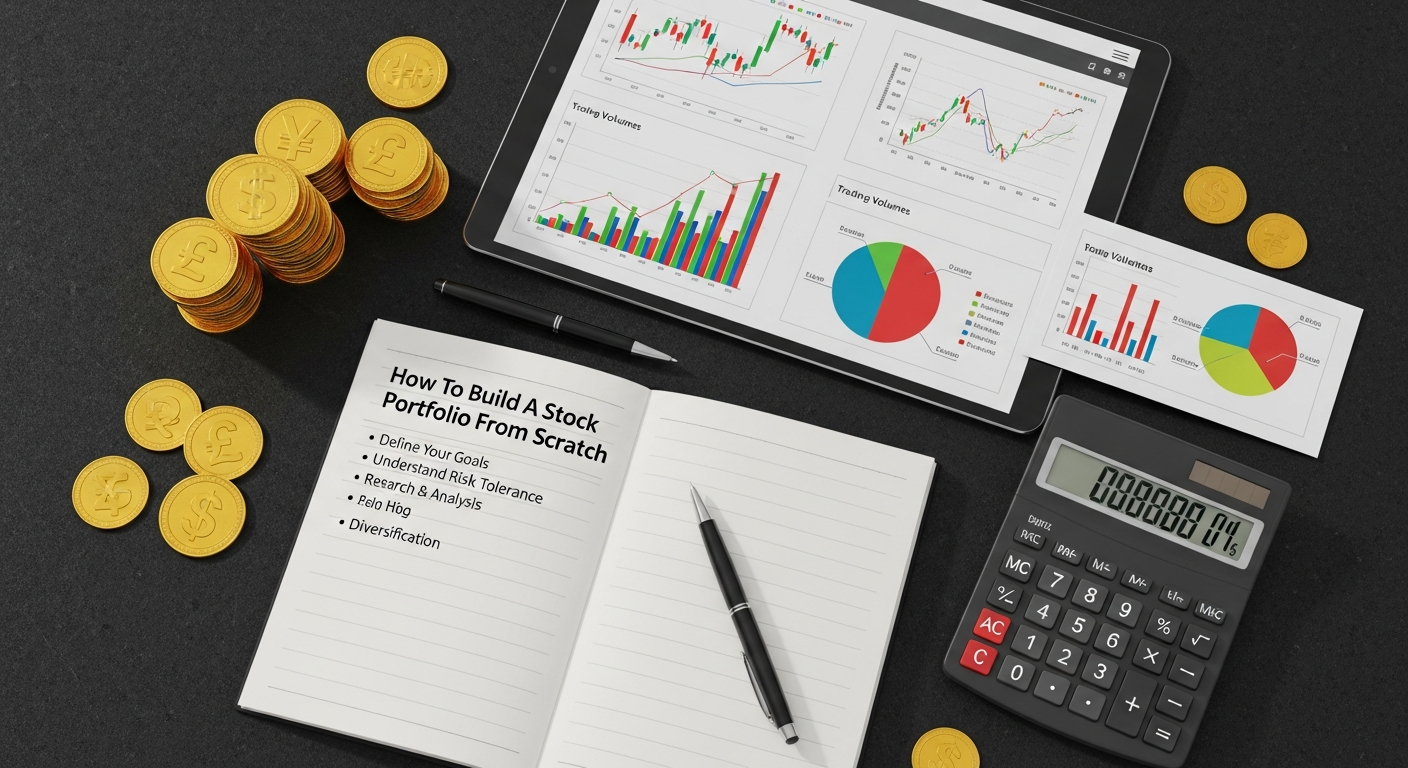
With your account funded, the exciting part begins: selecting what to invest in. This stage requires a blend of research, understanding basic investment principles, and aligning choices with your established goals and risk tolerance.
The Power of Diversification
Diversification is the cornerstone of a prudent investment strategy. It means spreading your investments across various assets, industries, and geographies to reduce overall risk. The old adage, “Don’t put all your eggs in one basket,” perfectly encapsulates this principle. If one investment performs poorly, the impact on your overall portfolio is mitigated by others performing well. A well-diversified portfolio typically includes:
- Different Asset Classes: Stocks, bonds, real estate (via REITs), commodities.
- Different Industries/Sectors: Technology, healthcare, finance, consumer staples, energy.
- Different Geographies: Domestic and international markets.
- Different Company Sizes: Small-cap, mid-cap, and large-cap stocks.
Starting with Broad Market Exposure: ETFs and Mutual Funds
For beginners learning how to build a stock portfolio from scratch, individual stock picking can be overwhelming and risky. A much more sensible approach is to start with exchange-traded funds (ETFs) and mutual funds. These are professionally managed funds that hold a basket of many different stocks (or bonds, or other assets), instantly providing diversification.
- Exchange-Traded Funds (ETFs):
- Trade like individual stocks on an exchange throughout the day.
- Typically have lower expense ratios (annual fees) than actively managed mutual funds.
- Can track broad market indexes (e.g., S&P 500 ETF, total stock market ETF), specific sectors, or even international markets.
- Offer immediate diversification with a single purchase.
- Mutual Funds:
- Priced once per day after the market closes.
- Can be actively managed (higher fees, potential to outperform but no guarantee) or passively managed (index funds, lower fees, aim to track a benchmark).
- Ideal for long-term investors who prefer professional management and automatic reinvestment of dividends.
For most beginners, a portfolio primarily built around low-cost, broad-market index ETFs or mutual funds (e.g., an S&P 500 index fund or a total stock market fund) is an excellent starting point. These funds offer broad market exposure, inherent diversification, and typically outperform actively managed funds over the long run, after fees.
Considering Individual Stocks (With Caution)
Once you have a solid foundation of diversified funds, you might consider adding individual stocks, but proceed with caution. Investing in individual stocks requires more research and carries higher risk. If you choose this path, focus on:
- Companies You Understand: Invest in businesses whose products, services, and business models you comprehend.
- Fundamental Analysis: Look at a company’s financial health (revenue, earnings, debt), competitive advantages, management team, and industry outlook.
- Long-Term Perspective: Avoid chasing “hot” stocks or speculative trends. Invest in companies you believe will grow over many years.
- Small Allocations: Start with a small percentage of your overall portfolio allocated to individual stocks.
Remember that even the most successful investors make mistakes with individual stock picks. Your core portfolio should remain diversified through funds.
Building Your Portfolio: Execution and Diversification Strategies
Once you’ve decided on your investment vehicles, it’s time to put your plan into action. This stage focuses on the practical aspects of constructing your portfolio and maintaining its health over time.
Asset Allocation: Your Strategic Blueprint
Asset allocation is the process of dividing your investment portfolio among different asset classes, such as stocks, bonds, and cash equivalents, based on your risk tolerance, time horizon, and financial goals. This is arguably the most critical decision in portfolio construction, as it accounts for a significant portion of your portfolio’s long-term returns and risk.
- Stocks (Equities): Offer higher growth potential but come with greater volatility and risk. Suitable for longer time horizons.
- Bonds (Fixed Income): Generally less volatile than stocks, providing income and capital preservation. They act as a cushion during stock market downturns, making them suitable for shorter time horizons or as a stability component for all portfolios.
- Cash Equivalents: Money market funds, high-yield savings accounts. Provide liquidity and capital preservation but offer minimal returns. Useful for emergency funds or money needed in the short term.
A common rule of thumb for asset allocation is the “110 minus your age” rule for determining your stock allocation. For example, a 30-year-old might aim for 80% stocks (110 – 30 = 80) and 20% bonds. This is a general guideline; your specific allocation should be tailored to your unique circumstances. Young investors with long horizons might start with 80-100% stocks, while those nearing retirement might have 40-60% in stocks and the rest in bonds and cash.
Dollar-Cost Averaging: The Disciplined Approach
As mentioned earlier, dollar-cost averaging (DCA) is a powerful strategy, especially for beginners. It involves investing a fixed amount of money at regular intervals (e.g., $100 every two weeks) regardless of the market’s current price. This strategy has several benefits:
- Reduces Risk: You buy more shares when prices are low and fewer when prices are high, potentially lowering your average cost per share over time.
- Removes Emotion: It automates your investing, preventing you from trying to “time the market,” which is notoriously difficult even for seasoned professionals.
- Builds Discipline: Consistent investing fosters good financial habits.
Set up automatic investments from your bank account to your brokerage account. This “set it and forget it” approach ensures you stay on track with your investment goals without constant manual intervention.
Rebalancing Your Portfolio
Over time, market fluctuations will cause your portfolio’s asset allocation to drift from your original target. For instance, if stocks have a strong run, their percentage in your portfolio might grow larger than intended, increasing your overall risk. Rebalancing is the process of adjusting your portfolio back to your target asset allocation.
You can rebalance in a few ways:
- Time-Based Rebalancing: Review and adjust your portfolio annually or semi-annually.
- Threshold-Based Rebalancing: Rebalance when an asset class deviates by a certain percentage (e.g., 5% or 10%) from its target allocation.
- Using New Contributions: Direct new money towards underperforming asset classes to bring them back to target.
Rebalancing is essential for maintaining your desired risk level and ensuring your portfolio continues to align with your long-term objectives. It forces you to “buy low and sell high” in a disciplined manner.
Monitoring, Adjusting, and Long-Term Growth
Building a stock portfolio from scratch isn’t a one-time event; it’s an ongoing process. Once your portfolio is established, continuous monitoring, periodic adjustments, and a focus on long-term growth are essential for success.
Regular Portfolio Review
While you shouldn’t constantly tinker with your portfolio, regular reviews are crucial. Aim for an annual or semi-annual check-up. During this review, consider:
- Performance: How have your investments performed against their benchmarks and your expectations? Remember that past performance is not indicative of future results.
- Goals and Risk Tolerance: Have your financial goals changed? Has your risk tolerance shifted due to life events (marriage, children, job change, nearing retirement)?
- Asset Allocation: Is your portfolio still aligned with your target asset allocation? If not, rebalance.
- Fees: Are you still paying competitive fees on your funds? Are there lower-cost alternatives available?
Avoid the temptation to check your portfolio daily or weekly. Short-term market fluctuations are normal and can lead to emotional decisions. Focus on the long-term trend.
Adapting to Life Changes and Market Shifts
Life is dynamic, and so are markets. Your investment strategy should be flexible enough to adapt. Major life events—like getting married, having children, changing jobs, or approaching retirement—will likely necessitate adjustments to your financial goals, risk tolerance, and asset allocation.
Similarly, the market landscape evolves. New industries emerge, regulations change, and global events can have significant impacts. While your core strategy should remain stable, it’s wise to stay informed. For example, the growing emphasis on sustainable and ethical investing has led to a surge in interest in ESG (Environmental, Social, and Governance) factors. Investors looking for an Impact Investing ESG Guide 2026 will find a wealth of resources on how to align their portfolio with their values, investing in companies that not only offer financial returns but also contribute positively to society and the environment.
The Power of Compounding and Long-Term Vision
The true magic of investing lies in the power of compounding. This is where your earnings generate their own earnings, leading to exponential growth over time. The earlier you start and the more consistently you invest, the greater the benefit of compounding. Even small contributions, when made regularly over decades, can grow into substantial wealth.
Maintaining a long-term vision is paramount. The stock market will experience booms and busts; these are an inherent part of its nature. During downturns, it can be tempting to panic and sell, but history shows that staying invested through these periods and even buying more (dollar-cost averaging) often leads to significant recoveries and long-term gains. Resist the urge to react to every headline; instead, focus on your long-term plan and trust in the market’s historical tendency to trend upwards over extended periods.
By diligently monitoring your portfolio, making necessary adjustments, and harnessing the relentless power of compounding, you are not just building a collection of stocks; you are building a legacy of financial security and freedom for your future self.
Advanced Considerations and Common Pitfalls
As you gain experience and your portfolio grows, you’ll encounter more nuanced aspects of investing. Being aware of advanced considerations and common pitfalls can help you navigate your journey more effectively.
Tax Efficiency
Understanding how taxes impact your investments can significantly boost your net returns. Different investment vehicles (taxable brokerage accounts, IRAs, 401(k)s) have different tax treatments. Strategies like tax-loss harvesting (selling investments at a loss to offset capital gains or a limited amount of ordinary income) or choosing tax-efficient investments like municipal bonds for income can be beneficial. Always consult with a tax professional to optimize your tax strategy, especially as your portfolio becomes more complex.
Behavioral Biases in Investing
Human psychology often works against rational investment decisions. Common behavioral biases include:
- Fear and Greed: These emotions can lead to buying high (greed) and selling low (fear).
- Confirmation Bias: Seeking out information that confirms your existing beliefs while ignoring contradictory evidence.
- Herd Mentality: Following the crowd, even when it might be irrational.
- Loss Aversion: The tendency to strongly prefer avoiding losses over acquiring equivalent gains.
Awareness of these biases is the first step to mitigating their impact. Sticking to a well-defined investment plan, using dollar-cost averaging, and rebalancing regularly are excellent ways to impose discipline and counteract emotional decision-making.
Estate Planning
Staying Educated and Adapting
The financial world is constantly evolving. New investment products emerge, market dynamics shift, and economic conditions change. Commit to continuous learning. Read reputable financial news, books, and blogs (like Trading Costs!), attend webinars, and stay informed about global economic trends. This ongoing education will empower you to make informed decisions and adapt your strategy as needed. For example, understanding the nuances of an Impact Investing ESG Guide 2026 might become increasingly relevant as your values and the market evolve.
Building a successful stock portfolio is a marathon, not a sprint. It requires patience, discipline, and a willingness to learn. By avoiding common pitfalls, staying informed, and consistently adhering to your long-term plan, you significantly increase your chances of achieving your financial aspirations.
Frequently Asked Questions
Recommended Resources
Explore Tiktok Marketing Strategy For Brands for additional insights.
Explore What Is Bootstrapping A Business for additional insights.