Understanding Your Credit Score: The Foundation of Financial Health
Before diving into rapid improvement strategies, it’s crucial to understand what a credit score is and how it’s calculated. Your credit score is a three-digit number, primarily generated by models like FICO and VantageScore, that lenders use to assess your creditworthiness. A higher score signifies a lower risk to lenders, often translating into better interest rates and more favorable loan terms. Understanding the components that contribute to this score is the first, indispensable step toward effective improvement.
- Payment History (35%): This is the most significant factor. Paying your bills on time, every time, is crucial. Late payments, bankruptcies, and collection accounts can severely damage your score.
- Credit Utilization (30%): This refers to the amount of credit you’re using compared to your total available credit. Keeping this percentage low (ideally under 30%, but 10% or less is even better) is a powerful way to boost your score quickly.
- Length of Credit History (15%): The longer your credit accounts have been open and in good standing, the better. This demonstrates a track record of responsible credit management.
- New Credit (10%): Applying for too much new credit in a short period can be seen as risky. Each application often results in a “hard inquiry” which can temporarily ding your score.
- Credit Mix (10%): Lenders like to see that you can responsibly handle different types of credit, such as revolving accounts (credit cards) and installment loans (mortgages, car loans).
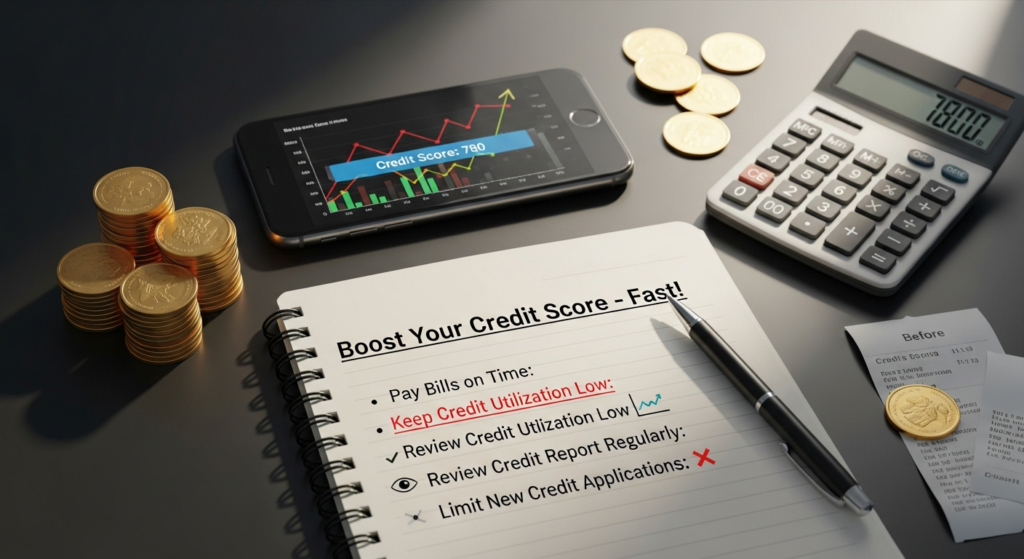
To begin your journey toward rapid credit score improvement, you first need to know where you stand. You are entitled to a free copy of your credit report from each of the three major credit bureaus (Equifax, Experian, and TransUnion) once every 12 months via AnnualCreditReport.com. Reviewing these reports is essential for identifying any errors that might be dragging down your score and understanding the specific areas where you need to focus your efforts. This proactive approach lays the groundwork for all subsequent actions to improve credit score quickly.
Immediate Action: Quick Wins for Your Credit Score
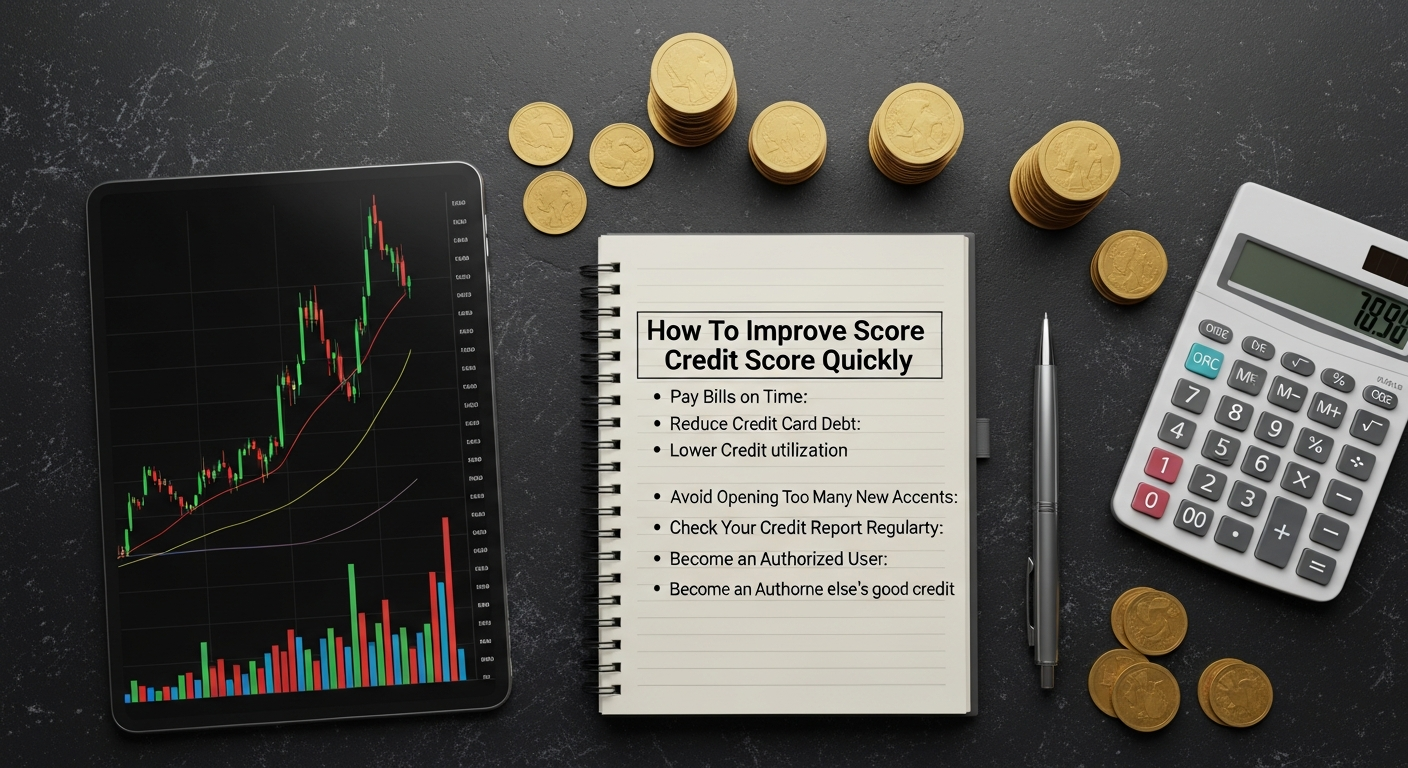
While some aspects of credit building take time, there are several strategies you can implement right away that can lead to a noticeable improvement in your credit score in a relatively short period. These “quick wins” are often centered around the most heavily weighted factors in credit scoring models.
- Drastically Reduce Credit Utilization: This is arguably the fastest way to see an immediate bump in your score. If your credit utilization is high (above 30%), focus on paying down your credit card balances aggressively. For example, if you have a credit card with a $10,000 limit and a $9,000 balance, your utilization is 90%. Reducing that balance to $2,900 brings utilization down to 29%, which can significantly improve your score. Aim for 10% or less for optimal results. Even paying off small balances to zero can have a positive impact. Regularly check your credit card statements and try to pay your balance down before the statement closing date, as this is often the balance reported to credit bureaus.
- Make All Payments On Time, Immediately: Your payment history is the most important factor. If you have any overdue payments, bring them current as soon as possible. While a past late payment will remain on your report, getting current prevents further damage and demonstrates renewed responsibility. Set up automatic payments for all your bills, not just credit cards, to ensure you never miss a due date again. Consistent on-time payments, even for utilities or rent (if reported), build a strong payment history quickly.
- Become an Authorized User: If you have a trusted friend or family member with excellent credit and a long history of on-time payments and low utilization, ask them to add you as an authorized user on one of their credit card accounts. Their positive payment history and low utilization can then be reflected on your credit report, potentially boosting your score. However, exercise caution: ensure the primary cardholder is truly responsible, as their missteps could also negatively affect your score. This strategy can be particularly effective for those with limited credit history.
- Dispute Errors on Your Credit Report: As mentioned earlier, reviewing your credit reports is critical. If you find any inaccuracies—such as accounts that aren’t yours, incorrect payment statuses, or outdated negative information—dispute them immediately with the credit bureau (and the creditor, if applicable). Removing errors can lead to a rapid increase in your score. The Fair Credit Reporting Act (FCRA) mandates that credit bureaus investigate and correct inaccuracies promptly.
- Consider a Secured Credit Card or Credit Builder Loan: For those with little to no credit history or a history of significant challenges, these tools can provide a structured way to build positive credit quickly. A secured credit card requires a cash deposit, which becomes your credit limit. A credit builder loan works by lending you money that is held in an account while you make payments, and then released to you once the loan is paid off. Both report your payment activity to credit bureaus, establishing a positive payment history.
Many individuals struggling with credit score issues also face the challenge of overwhelming debt. Learning how to get out credit card debt is intrinsically linked to improving your credit score quickly. By strategically paying down high-interest credit card balances, you not only reduce your credit utilization ratio—a major component of your score—but also free up more of your income, making it easier to manage other financial obligations and even consider future investment opportunities. Addressing debt head-on is a powerful dual-purpose strategy for financial recovery and credit enhancement.
Strategic Moves: Long-Term Habits for Sustainable Growth
- Maintain Low Credit Utilization Consistently: The “quick win” of reducing utilization should become a permanent habit. Continuously strive to keep your credit card balances well below 30% of your available credit, ideally even lower. This demonstrates excellent credit management and is a strong indicator of financial responsibility to lenders. Paying off your full statement balance each month is the gold standard for maintaining low utilization and avoiding interest charges.
- Never Miss a Payment: This cannot be overstated. Your payment history is the most critical factor. Develop robust systems to ensure all your bills are paid on time. This could involve automatic payments, calendar reminders, or a dedicated budgeting app. A single late payment can stay on your report for up to seven years and significantly damage your score, undoing much of your hard work.
- Diversify Your Credit Mix (Responsibly): As your credit score improves and your financial situation stabilizes, consider diversifying your credit types. This doesn’t mean taking on unnecessary debt, but rather demonstrating the ability to manage both revolving credit (credit cards) and installment loans (e.g., a small personal loan, car loan, or mortgage). This shows lenders you can handle different financial obligations responsibly. However, only take on new credit if it aligns with your genuine financial needs and you are confident in your ability to repay it.
- Avoid Unnecessary New Credit Applications: Each time you apply for new credit, a “hard inquiry” is placed on your credit report. A few hard inquiries within a short period can signal to lenders that you might be in financial distress or are taking on too much new debt, which can temporarily lower your score. Only apply for credit when you genuinely need it and have researched the best options available.
- Monitor Your Credit Regularly: Make it a habit to check your credit report at least once a year, and consider using free credit monitoring services that provide monthly score updates. This allows you to catch errors quickly, track your progress, and identify any suspicious activity that could indicate identity theft. Proactive monitoring is key to maintaining a healthy credit profile.
A strong credit score is not just about getting loans; it’s a powerful tool for financial empowerment that can directly impact your ability to invest and grow wealth. For instance, having excellent credit can lead to lower interest rates on personal loans, which, if used wisely, could be leveraged to pursue investment opportunities. When you save significant amounts on interest payments over time, that capital can be redirected. This surplus can then be allocated towards strategies like those outlined in a guide on How To Start Investing Little Money 2026. Whether it’s micro-investing, fractional shares, or contributing to an IRA, having good credit frees up financial resources that can be put to work in the market, allowing you to build a more secure financial future.
Addressing Derogatory Marks: Repairing Past Damage
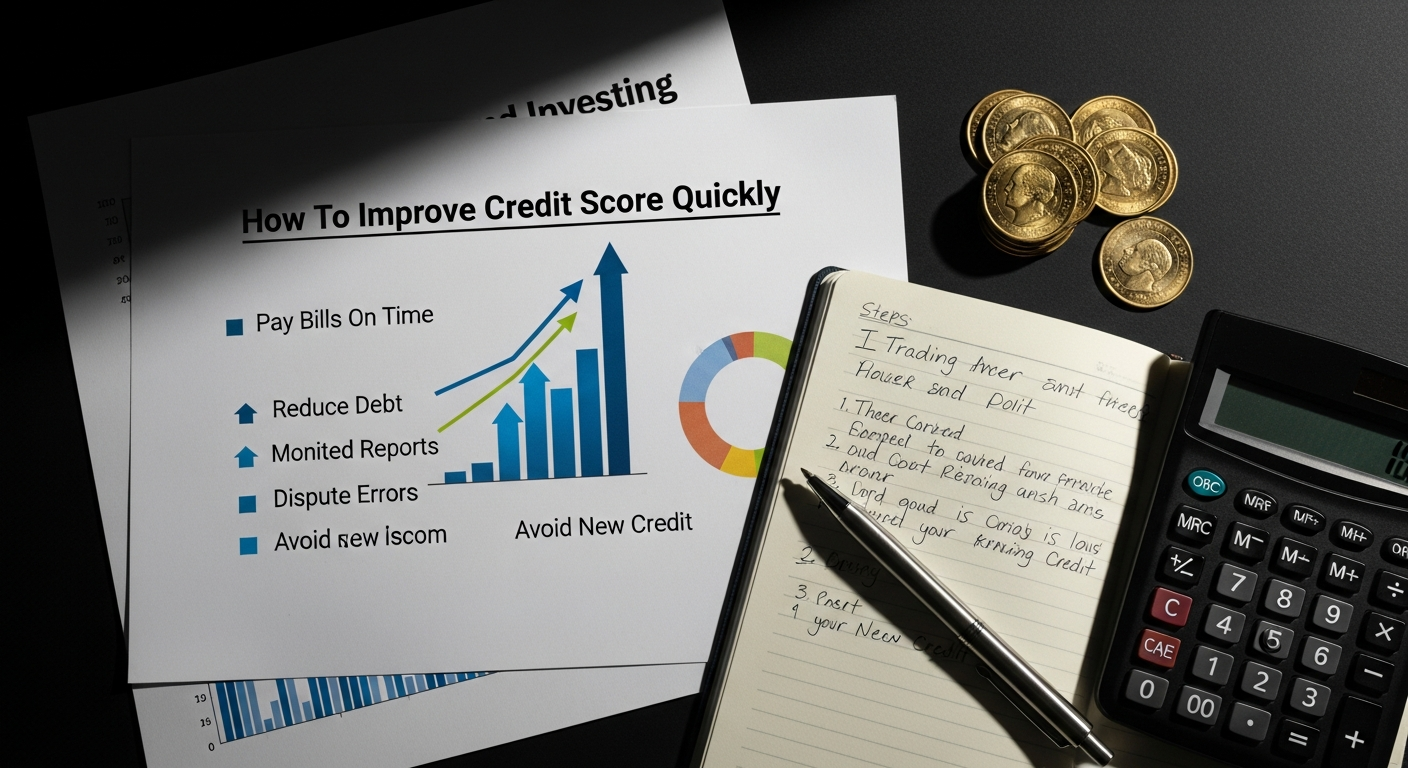
Derogatory marks such as late payments, collections, charge-offs, or even bankruptcies can significantly depress your credit score. While some of these items will naturally fall off your report after a certain period (typically seven years for most negative items, ten for Chapter 7 bankruptcy), there are proactive steps you can take to mitigate their impact and even remove some inaccuracies to help you improve credit score quickly.
- Late Payments:
- Pay Immediately: If you have a payment that is 30, 60, or 90+ days late, pay it immediately to bring the account current. While the late mark won’t disappear, getting current prevents further negative reporting.
- Goodwill Letters: For isolated late payments on an otherwise perfect history, consider writing a “goodwill letter” to the creditor. Explain the circumstances (e.g., a one-time oversight due to a medical emergency), express your commitment to on-time payments, and politely ask if they would consider removing the late payment mark as a courtesy. Success is not guaranteed, but it’s worth trying, especially if you have a long, positive relationship with the creditor.
- Collection Accounts:
- Verify the Debt: Before paying, always verify the debt with the collection agency. Request documentation proving you owe the debt and that the collector has the right to collect it.
- Negotiate a “Pay for Delete”: If the debt is legitimate, you might be able to negotiate a “pay for delete” agreement. This is an agreement where the collection agency agrees to remove the collection account from your credit report in exchange for payment (often a partial payment). Get this agreement in writing before making any payment.
- Pay the Debt: Even if a “pay for delete” isn’t possible, paying off the collection account is generally better than leaving it open. While it won’t disappear from your report, a “paid” collection account is viewed more favorably by some lenders than an unpaid one.
- Charge-Offs:
- When an account is charged off, the creditor has deemed it uncollectible and sold it to a collection agency or written it off as a loss. Your options are similar to collections:
- Negotiate Payment: Try to negotiate a settlement with the original creditor or the collection agency.
- Seek Pay for Delete: As with collections, attempt to negotiate a “pay for delete” if possible, especially if the account has been sold to a third-party collector.
- When an account is charged off, the creditor has deemed it uncollectible and sold it to a collection agency or written it off as a loss. Your options are similar to collections:
- Bankruptcies:
- Bankruptcies have the most severe impact and remain on your report for 7-10 years. There’s no quick fix to remove them. Your strategy here is to focus on rebuilding credit post-bankruptcy. This involves getting a secured credit card or credit builder loan and demonstrating flawless payment history and low utilization from that point forward. Over time, the impact of the bankruptcy will diminish as new, positive information accumulates.
- Dispute Inaccurate Information: Reiterating this point is crucial. Many negative marks are on credit reports due to errors. Regularly checking your reports for inaccuracies and disputing them with the credit bureaus can lead to removal, often resulting in a rapid increase in your score. Gather all supporting documentation before submitting your dispute.
Dealing with derogatory marks requires patience and persistence, but proactively addressing them can significantly accelerate your credit repair journey. By systematically tackling these negative entries, you’re not just improving your score for the sake of it, but clearing the path for a more stable financial future where you can confidently explore avenues like an Options Trading Beginners Guide, understanding that your personal financial house is in order before venturing into more complex investment strategies.
The Role of Credit in Financial Empowerment
Your credit score is far more than just a number; it’s a powerful metric that reflects your financial responsibility and directly impacts your economic opportunities. A high credit score can be a gateway to significant financial advantages, extending beyond simply qualifying for loans. Understanding its broader implications helps underscore why learning how to improve credit score quickly is such a crucial endeavor for anyone serious about their financial future, especially those interested in trading and investing.
- Access to Better Interest Rates: This is perhaps the most tangible benefit. With excellent credit, you qualify for the lowest interest rates on mortgages, auto loans, personal loans, and even credit cards. Over the lifetime of a loan, this can translate into tens of thousands of dollars in savings. Imagine saving $200 per month on mortgage interest; that’s $2,400 per year that could be invested, saved, or used for other financial goals.
- Lower Insurance Premiums: In many states, insurance companies use credit-based insurance scores (derived from your credit report) to help determine your premiums for auto and home insurance. A better credit score can mean lower monthly payments, putting more money back in your pocket.
- Easier Approval for Rentals and Utilities: Landlords often check credit scores when processing rental applications. A strong score can make it easier to secure housing and may even help you avoid paying a larger security deposit. Similarly, utility companies may waive deposits for customers with good credit.
- Enhanced Negotiating Power: When you have excellent credit, you have leverage. You can negotiate for better terms on loans, credit cards, and even services, knowing that providers are eager to secure your business.
- Access to Premium Financial Products: High credit scores open doors to premium credit cards with lucrative rewards programs, travel benefits, and concierge services. These can offer significant value to those who manage them responsibly.
- Foundation for Investment and Entrepreneurship: While you might not use a personal loan to directly fund speculative trading, a robust credit profile provides a stable financial background. It means you have access to capital if an unexpected personal expense arises, preventing you from having to tap into investment funds prematurely. Furthermore, for those looking to start a business or expand an existing one, good personal credit is often a prerequisite for securing business loans and lines of credit. This financial stability is crucial whether you’re exploring an Options Trading Beginners Guide or planning for large-scale investments in 2026; it ensures your personal finances are strong enough to support your broader ambitions without unnecessary stress or high-interest debt.
In essence, a high credit score is a reflection of financial discipline and reliability. It reduces your cost of living, increases your financial flexibility, and provides a solid platform from which to launch into more advanced financial strategies, ultimately serving as a cornerstone of true financial empowerment.
Avoiding Pitfalls and Maintaining Momentum
Improving your credit score quickly is an achievable goal, but it’s equally important to avoid common mistakes that can derail your progress. Maintaining positive momentum requires vigilance and adherence to sound financial principles. By understanding and steering clear of these pitfalls, you can ensure your hard-earned credit improvements are sustainable.
- Don’t Close Old, Paid-Off Accounts: It might seem counterintuitive, but closing old credit card accounts can actually hurt your score. Two critical credit factors are length of credit history and credit utilization. Closing an old account reduces the average age of your accounts and eliminates available credit, which can cause your utilization ratio to spike if you carry balances on other cards. Keep old accounts open, even if you rarely use them, and ideally make a small purchase occasionally to keep them active.
- Beware of Credit Repair Scams: Be extremely wary of companies that promise to “erase” negative items from your credit report instantly or demand upfront payment for their services. Many of these are scams. While legitimate credit counseling agencies and non-profit organizations can help you manage debt and improve your credit, no one can legally remove accurate negative information from your report. Focus on legitimate strategies like disputing errors yourself and building positive credit history.
- Understand the Difference Between Hard and Soft Inquiries:
- Hard Inquiries: Occur when a lender checks your credit because you’ve applied for new credit (e.g., a credit card, loan, mortgage). They can temporarily lower your score by a few points and remain on your report for two years. Limit applications for new credit to only when absolutely necessary.
- Soft Inquiries: Occur when you check your own credit, a potential employer checks your credit, or a pre-approved credit offer is generated. These do not affect your credit score and are not visible to lenders. Feel free to check your own credit as often as you like.
- Don’t Cosign for Others Lightly: Cosigning a loan or credit card for someone else means you are legally responsible for the debt if they fail to pay. Their missed payments will directly impact your credit score, potentially undoing all your hard work. Only cosign if you are fully prepared and able to pay the debt yourself.
- Avoid Maxing Out Credit Cards, Even If You Pay Them Off: While paying off your balance in full each month is excellent, routinely maxing out your cards and then paying them off can still negatively impact your credit utilization, as the high balance might be reported to the credit bureaus before you pay it down. Try to keep your reported balance low throughout the billing cycle if possible.
- Continuously Monitor and Adapt: The journey to excellent credit isn’t a one-time fix; it’s an ongoing process. Regularly review your credit reports and scores, adapt your strategies as your financial situation changes, and stay informed about best practices. This proactive approach ensures you maintain a healthy credit profile, providing a stable financial environment that allows you to confidently explore other financial avenues, such as the best strategies for How To Start Investing Little Money 2026, knowing your personal finances are robust and resilient.
By diligently avoiding these common pitfalls and consistently applying the positive strategies discussed, you can not only improve credit score quickly but also establish a foundation for enduring financial health and success, empowering you to pursue your investment and life goals with greater confidence and fewer financial hurdles.
Frequently Asked Questions
Recommended Resources
Learn more about this topic in Content Repurposing Strategy Guide at Page Release.
Related reading: How To Create Passive Income With Ecommerce (E-ComProfits).