Embracing the 2026 Investment Landscape: Why Small Steps Lead to Big Gains
The notion that investing is reserved for the affluent is an outdated myth that prevents countless individuals from taking control of their financial destiny. As we look towards 2026, the accessibility of investment platforms and tools has never been greater, making it an opportune time for anyone, regardless of their starting capital, to enter the market. The real secret to successful investing with limited funds isn’t about finding a magic bullet; it’s about consistency, discipline, and leveraging the unparalleled power of compound interest.
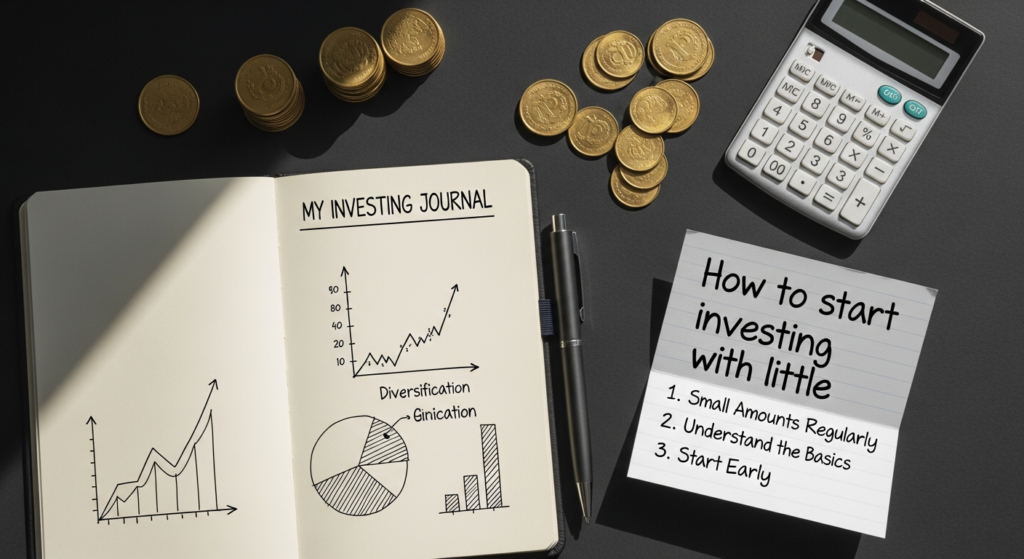
For Stock Market Investing Beginners 2026, understanding this principle is paramount. Imagine investing a small amount consistently over several years. That initial sum, along with subsequent contributions, earns returns. Then, those returns themselves start earning returns. This snowball effect, known as compounding, can turn even humble beginnings into significant wealth over the long term. The earlier you start, the longer your money has to compound, exponentially increasing your potential gains. Therefore, the best time to start investing was yesterday, and the second-best time is today, even if it’s just a few dollars.
Technological advancements continue to democratize access to financial markets. Robo-advisors, fractional share investing, and micro-investing apps have shattered traditional barriers, allowing individuals to invest in diversified portfolios or even fractions of high-value stocks with minimal initial capital. These innovations are particularly relevant for anyone contemplating how to start investing with little money in 2026, as they provide low-cost, automated, and user-friendly pathways into the market. The key is to shift your mindset from “I need a lot of money to invest” to “I can start investing with what I have and watch it grow.”
The Compounding Advantage: Your Greatest Ally
- Start Early: The most significant factor in leveraging compound interest is time. Even an extra year or two can make a remarkable difference in your portfolio’s growth.
- Invest Consistently: Regular contributions, even small ones, add up. Automating your investments ensures you stay on track and benefit from dollar-cost averaging.
- Reinvest Earnings: Allowing your dividends and capital gains to be reinvested means more money is working for you, accelerating the compounding process.
- Patience is Key: Investing, especially with small amounts, is a long-term game. Resist the urge to frequently check your portfolio or react to short-term market fluctuations.
The investment landscape in 2026 will continue to evolve, but the fundamental principles of long-term wealth creation through consistent, disciplined investing remain constant. By understanding and applying these concepts, even those with limited funds can lay a robust foundation for financial prosperity.
Building Your Financial Fortress: Prioritizing Debt and Emergency Savings
Before you even consider placing your first investment, a critical prerequisite is to establish a solid financial foundation. This involves tackling high-interest debt and building an adequate emergency fund. Neglecting these steps can undermine your investment efforts and leave you vulnerable to unforeseen financial shocks.
One of the most pressing financial burdens for many is credit card debt. High-interest credit card balances can easily negate any investment returns you might hope to achieve. For instance, if you’re paying 18-24% interest on a credit card, earning an average 7-10% return in the stock market means you’re still losing money overall. Therefore, a crucial step for anyone asking How To Get Out Credit Card Debt is to prioritize its repayment before actively investing. Strategies like the debt snowball (paying off smallest debts first for psychological wins) or debt avalanche (paying off highest interest debts first to save money) can be highly effective. Creating a detailed budget to identify areas where you can cut expenses and allocate more towards debt repayment is also essential.
Once high-interest debt is under control, the next vital step is to build an emergency fund. This is a savings account specifically designated for unexpected expenses such as job loss, medical emergencies, or significant home repairs. Experts typically recommend having 3-6 months’ worth of essential living expenses saved. Without an emergency fund, you might be forced to sell your investments prematurely during a market downturn or incur new debt, both of which can derail your financial progress. Think of your emergency fund as the financial “safety net” that allows your investments to grow undisturbed, providing peace of mind and resilience.
Steps to Fortify Your Financial Foundation:
- Assess Your Debt: List all your debts, their interest rates, and minimum payments. Prioritize high-interest debts like credit cards.
- Create a Budget: Track your income and expenses rigorously. Identify areas where you can reduce spending to free up funds for debt repayment and savings.
- Attack High-Interest Debt: Devote as much extra money as possible to paying down credit cards and other high-interest loans. Consider strategies like balance transfers to lower interest rates if eligible.
- Build Your Emergency Fund: Once high-interest debt is manageable or eliminated, focus on accumulating 3-6 months’ worth of living expenses in a separate, easily accessible savings account.
- Automate Savings: Set up automatic transfers from your checking account to your emergency fund and debt repayment accounts. This ensures consistency and reduces the temptation to spend.
By diligently working through these foundational steps, you not only eliminate costly financial drains but also cultivate the discipline and habits necessary for successful long-term investing. A robust financial foundation is not just a recommendation; it’s a prerequisite for sustainable wealth creation, especially when starting with limited capital.
Navigating Investment Vehicles for Small Budgets in 2026
Micro-Investing Apps: Starting with Spare Change
For those genuinely wondering how to start investing with little money in 2026, micro-investing apps are often the first port of call. Platforms like Acorns (and its competitors) allow you to round up everyday purchases to the nearest dollar and invest the difference. So, if you buy a coffee for $3.50, 50 cents gets invested. While individual round-ups are small, they accumulate over time, allowing you to invest without feeling the pinch. These apps typically invest in diversified portfolios of ETFs (Exchange Traded Funds) based on your risk profile, providing a hands-off approach to market participation. They are excellent for building the habit of investing and introducing beginners to market concepts.
Fractional Shares: Owning a Piece of the Pie
Historically, buying a single share of a high-priced stock like Amazon or Google could cost thousands of dollars, putting it out of reach for many new investors. However, in 2026, many brokerages offer fractional shares. This means you can invest a specific dollar amount (e.g., $5, $10, $50) into a stock or ETF and own a fraction of a share. For example, if Amazon shares are $3,000 and you invest $30, you’ll own 0.01 shares. This innovation democratizes access to otherwise expensive assets, allowing you to diversify your portfolio across various companies and sectors even with a small budget. It’s a game-changer for Stock Market Investing Beginners 2026 who want direct exposure to specific companies.
Exchange-Traded Funds (ETFs): Diversification Made Easy
ETFs are baskets of various stocks, bonds, or other assets that trade on stock exchanges like individual stocks. They are incredibly popular for investors with little money because they offer instant diversification at a low cost. Instead of buying individual shares of 500 companies to mimic the S&P 500, you can buy a single S&P 500 ETF. This single purchase gives you exposure to all 500 companies, significantly reducing risk compared to investing in individual stocks. ETFs come in many varieties: broad market, sector-specific, international, bond, and even those focused on specific themes like renewable energy or technology. Many ETFs have very low expense ratios, meaning less of your money goes to fees and more stays invested.
Robo-Advisors: Automated and Affordable Investing
Robo-advisors are automated digital platforms that provide algorithm-driven financial planning services with little to no human supervision. You answer a few questions about your financial goals, risk tolerance, and time horizon, and the robo-advisor constructs and manages a diversified portfolio of low-cost ETFs for you. They automatically rebalance your portfolio, reinvest dividends, and even offer tax-loss harvesting in some cases. Services like Betterment and Wealthfront are prime examples. For beginners wondering how to start investing with little money in 2026, robo-advisors are an excellent choice due to their low minimums, low fees, and hands-off approach. They make sophisticated portfolio management accessible to everyone.
Mutual Funds: Professional Management
While some traditional mutual funds may have higher minimum investment requirements (often $1,000 or more), many brokerage firms offer “no-transaction-fee” mutual funds or target-date funds with lower entry points. Mutual funds pool money from many investors to invest in a diversified portfolio of securities, managed by a professional fund manager. They offer diversification and professional management, but often come with higher expense ratios than ETFs. For investors with slightly more capital or those who prefer actively managed funds, they remain a viable option.
By leveraging these modern investment vehicles, anyone can confidently begin their investing journey in 2026, turning small, consistent contributions into a powerful engine for future financial growth.
Practical Strategies for Maximizing Small Investments
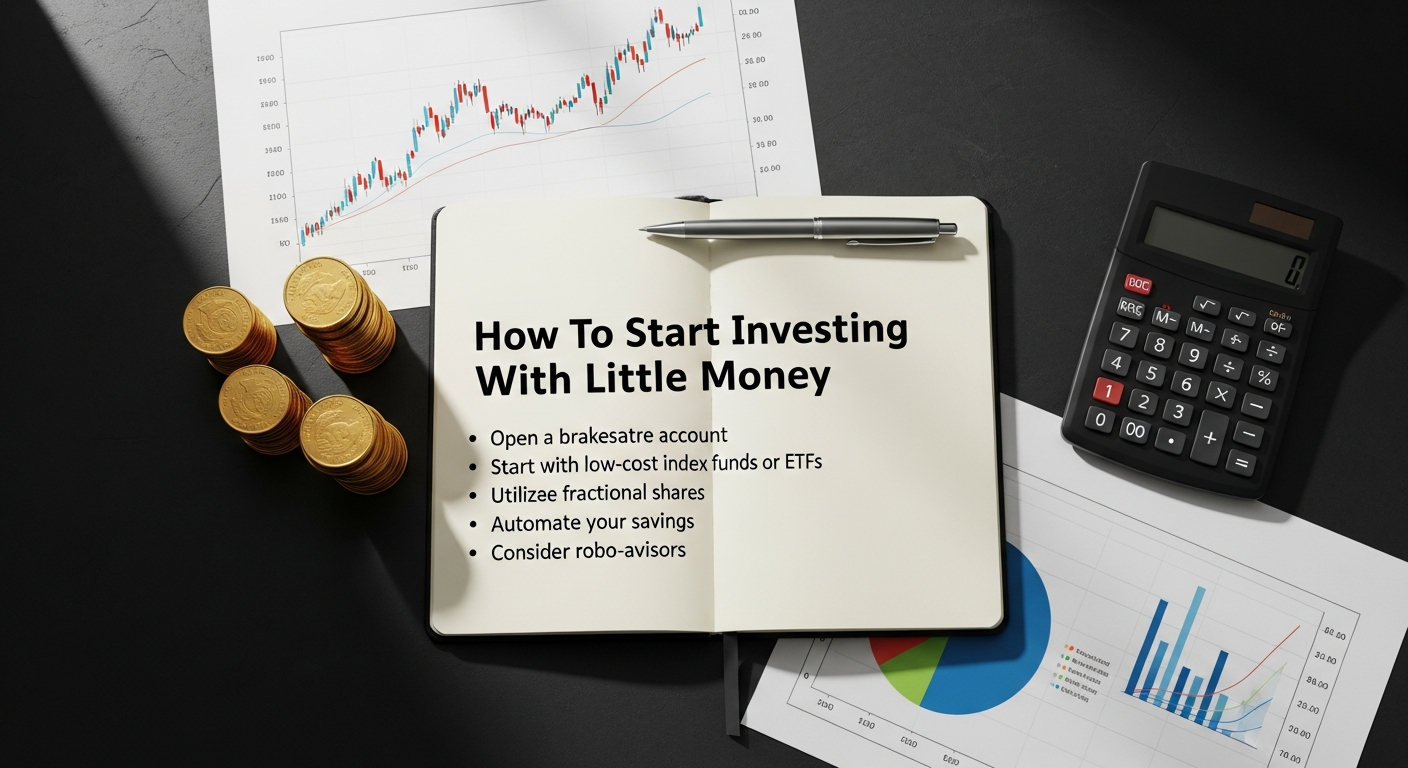
Starting with limited funds doesn’t mean your investment strategy should be limited. In fact, it demands a smart, disciplined approach to ensure every dollar works its hardest. For those pondering how to start investing with little money in 2026, these practical strategies are designed to optimize your initial efforts and foster long-term growth.
Automate Your Investments: The “Set It and Forget It” Approach
One of the most effective strategies for investing with little money is to automate your contributions. Set up an automatic transfer from your checking account to your investment account on a regular basis – weekly, bi-weekly, or monthly. Even $25 or $50 consistently invested can grow significantly over time. Automation ensures discipline, removes the temptation to spend the money, and helps you stick to your investment plan without having to consciously decide to invest each time. Many brokerage firms and robo-advisors facilitate these recurring investments, making it incredibly easy to maintain consistency.
Embrace Dollar-Cost Averaging
When you invest a fixed amount of money regularly, regardless of market fluctuations, you are practicing dollar-cost averaging. This strategy is particularly powerful for beginners and those investing small sums. Here’s why: when prices are high, your fixed dollar amount buys fewer shares. When prices are low, it buys more shares. Over time, this averages out your purchase price, reducing the risk of investing a lump sum right before a market downturn. It takes the emotion out of investing and is a highly effective way to navigate market volatility, especially for Stock Market Investing Beginners 2026 who might be intimidated by price swings.
Find Extra Money: Every Dollar Counts
Even small amounts can make a difference. Look for ways to free up extra cash that can be directed towards your investments:
- Budget Review: Scrutinize your monthly expenses. Can you cut down on subscriptions you don’t use, reduce dining out, or find cheaper alternatives for services?
- Side Hustles: Consider a small side gig – freelancing, selling unused items, or taking on part-time work – to generate additional income specifically for investing.
- Windfalls: Tax refunds, bonuses, or unexpected gifts can be directed into your investment account instead of being spent.
- “Found Money” Challenges: Try saving all your $5 bills for a month, or emptying your loose change jar into your investment fund. Small, consistent efforts add up.
Start with Low-Cost, Diversified Options
As discussed, ETFs and robo-advisors are ideal for investors with limited funds. They offer broad market exposure, reducing company-specific risk, and come with low expense ratios. Focus on broad market index ETFs (e.g., those tracking the S&P 500 or a total stock market index) as a foundational component of your portfolio. These provide diversified growth potential without requiring extensive research into individual stocks.
Utilize Tax-Advantaged Accounts
Whenever possible, invest within tax-advantaged accounts like a Roth IRA or a traditional IRA. These accounts offer significant tax benefits that can accelerate your wealth accumulation. A Roth IRA, for example, allows your investments to grow tax-free, and qualified withdrawals in retirement are also tax-free. Even with small contributions, the tax savings over decades can be substantial. For individuals with employer-sponsored retirement plans like a 401(k), contributing at least enough to get the full employer match is essentially free money and should be prioritized.
By combining these practical strategies, new investors in 2026 can overcome the perception of needing significant capital and confidently embark on their journey to financial growth. Consistency and smart choices, more than large sums, are the hallmarks of successful investing.
Navigating the 2026 Market: Key Trends and Considerations
The investment landscape is dynamic, constantly shaped by technological advancements, global events, and shifting societal values. As we look towards 2026, certain trends are poised to significantly influence investment opportunities and strategies, particularly for those starting with smaller amounts. Understanding these trends can help new investors make informed decisions, even when relying on diversified funds or robo-advisors.
The Rise of Impact Investing and ESG Factors
One of the most prominent trends gaining momentum is Impact Investing ESG Guide 2026. ESG stands for Environmental, Social, and Governance criteria. Investors are increasingly looking beyond traditional financial metrics to consider how companies manage their environmental impact, treat their employees and communities, and maintain strong corporate governance. This isn’t just a feel-good movement; research suggests that companies with strong ESG practices can also demonstrate better long-term financial performance and lower risk.
For investors with little money in 2026, accessing ESG investments is easier than ever. Many robo-advisors now offer “socially responsible investing” (SRI) portfolios composed of ESG-focused ETFs. Similarly, numerous ETFs are specifically designed to track indices of companies with high ESG ratings. This allows beginners to align their investments with their values without sacrificing diversification or incurring high costs. It’s a powerful way to make your money work for both your financial future and a better world.
Technological Innovation and Disruptive Growth
Technology continues to be a driving force in the global economy. In 2026, we can expect continued advancements and disruptions across various sectors, including artificial intelligence (AI), biotechnology, clean energy, automation, and cybersecurity. While picking individual “winner” stocks in these volatile sectors can be risky for new investors, broad technology ETFs or diversified growth funds can provide exposure to these potentially high-growth areas. Robo-advisors often include technology-focused ETFs in their growth-oriented portfolios, allowing small investors to indirectly benefit from these trends.
Global Diversification and Emerging Markets
While U.S. markets often dominate headlines, a truly diversified portfolio includes international exposure. Global economies are interconnected, and growth opportunities can emerge from various regions. In 2026, understanding the role of developed international markets (Europe, Japan) and emerging markets (China, India, Brazil, etc.) is crucial. Investing in international ETFs or global market funds can help smooth out returns, as different regions perform well at different times. This reduces reliance on any single country’s economic performance and broadens your investment horizons.
Interest Rates and Inflation Considerations
Interest rates and inflation will always be critical factors in the investment environment. In 2026, investors will need to monitor central bank policies and inflationary pressures. Higher interest rates can impact bond prices and make growth stocks less attractive, while persistent inflation erodes purchasing power. For beginners, this highlights the importance of diversified portfolios that include both equities (stocks) for growth and potentially some fixed-income assets (bonds) for stability, typically managed through diversified ETFs or robo-advisor portfolios designed to withstand various economic conditions.
Staying Informed, Avoiding Hype
The 2026 market will undoubtedly feature new buzzwords, hot stocks, and speculative trends. For new investors, particularly those with limited capital, it’s crucial to stay informed but avoid getting swept up in hype. Focus on long-term investment principles, diversification, and consistent contributions rather than chasing quick riches. Rely on reputable financial news sources and educational content, and be wary of advice that promises guaranteed high returns with little risk. The goal is steady, sustainable growth, not speculative gambling.
By being aware of these key trends and incorporating them into your investment thinking, even through diversified and automated means, you can position your small investments more strategically for the future.
Micro-Investing Apps Compared: Best Platforms to Start With Little Money
These platforms are designed specifically for investors starting with small amounts — most require $0 to open and allow fractional share investing:
| Platform | Minimum | Fractional Shares | Auto-Invest | Best For |
|---|---|---|---|---|
| Fidelity | $0 | Yes ($1) | Yes | Best overall — no fees, strong education |
| Robinhood | $0 | Yes ($1) | Limited | Mobile simplicity; beginner-friendly UI |
| Acorns | $0 ($1 min invest) | Via ETF portfolios | Yes (round-ups) | Passive savers; round-up automation |
| SoFi Invest | $0 | Yes ($1) | Yes | SoFi banking customers; bonus cash offers |
| Betterment | $0 | Via ETF portfolios | Yes | Hands-off robo-advisory; tax-loss harvesting |
| Charles Schwab | $0 | Yes ($5) | Yes | Education + transitioning to full trading |
The Compound Interest Advantage: Why Starting Early Beats Starting Big
Albert Einstein reportedly called compound interest “the eighth wonder of the world.” The data backs this up. At a 7% average annual return (consistent with historical S&P 500 inflation-adjusted returns), the difference between starting at 25 vs. 35 is dramatic:
| Monthly Contribution | Start Age 25 → Age 65 | Start Age 35 → Age 65 | Difference |
|---|---|---|---|
| $50/month | $131,900 | $61,100 | +$70,800 (116%) |
| $100/month | $263,800 | $122,200 | +$141,600 (116%) |
| $200/month | $527,600 | $244,400 | +$283,200 (116%) |
These figures assume 7% annualized return, monthly compounding. Source: compound interest calculations consistent with SEC.gov Investor Education resources. The key insight: starting 10 years earlier more than doubles your final balance at the same monthly contribution. Dollar-cost averaging — investing a fixed amount monthly regardless of market conditions — is the proven strategy recommended by the CFA Institute and Warren Buffett alike for regular investors.
Growing Your Investments and Staying the Course
Beginning your investment journey with little money is a commendable first step, but the real challenge and reward come from consistently nurturing your portfolio and adhering to a long-term strategy. In 2026, as in any year, patience, discipline, and periodic review are essential for transforming small contributions into substantial wealth.
Increasing Your Contributions Over Time
As your income grows, or as you find more ways to save, make it a priority to increase your investment contributions. Even a small bump – an extra $10 or $20 per month – can significantly impact your portfolio’s growth over decades. Consider linking your contribution increases to salary raises or annual bonuses. This strategy, often called “saving more tomorrow,” ensures that your investments keep pace with your earning potential and accelerate your journey toward financial independence. For Stock Market Investing Beginners 2026, this incremental increase is a powerful, yet often overlooked, growth lever.
Regular Portfolio Review and Rebalancing
While a “set it and forget it” approach is great for automation, “forgetting” about your investments entirely isn’t ideal. Periodically, perhaps once a year, review your portfolio. Are your asset allocations still aligned with your risk tolerance and financial goals? Market fluctuations can cause certain asset classes to grow faster than others, throwing your desired allocation out of balance. Rebalancing involves selling a portion of assets that have grown significantly and buying more of those that have lagged, bringing your portfolio back to its target percentages. Many robo-advisors do this automatically, which is a major benefit for investors with little money and limited time.
The Importance of Diversification
No matter how small your investments, diversification remains your best defense against market volatility. Don’t put all your eggs in one basket. If you’re using individual stocks, spread your money across different industries and company sizes. If using ETFs, ensure they cover various sectors, geographies, and asset classes (e.g., a mix of U.S. stocks, international stocks, and bonds). Even within ESG investing, a diversified portfolio of ESG-focused funds is safer than betting on a single “green” company. This principle is timeless and critical for protecting and growing your capital, especially for newcomers navigating the market in 2026.
Resisting Emotional Decisions
The stock market will have its ups and downs. There will be periods of excitement and periods of fear. One of the biggest mistakes new investors make is reacting emotionally to market fluctuations. Selling during a downturn locks in losses, and buying into a “hot” trend often means buying at the peak. Stick to your long-term plan, remember your initial goals, and trust in the power of dollar-cost averaging and compounding. Historical data consistently shows that disciplined, long-term investors outperform those who try to time the market.
Continuous Learning and Adaptation
The world of finance is constantly evolving. While core principles remain, new products, regulations, and economic factors emerge. Dedicate a small amount of time each month to learning about personal finance and investing. Follow reputable financial blogs (like Trading Costs!), read books, and listen to podcasts. Understanding the basics of economic indicators, different investment types, and tax implications will empower you to make more informed decisions and adapt your strategy as your financial situation and the market change.
By diligently applying these strategies, your small initial investments will not only grow but will also contribute to building a resilient and prosperous financial future well beyond 2026.
Frequently Asked Questions
Recommended Resources
Learn more about this topic in Capital One Venture Rewards Guide 2026 at Gold Points.
For more on how to start, see Hsa Investment Strategy Guide on Fin3go.