The Financial Impact of Groceries: Why It Matters to Your Wallet
Groceries represent one of the largest recurring expenses for most households, often second only to housing. While the individual cost of a loaf of bread or a carton of milk might seem insignificant, these expenses accumulate rapidly, forming a substantial portion of a monthly budget. Over time, seemingly small overspends can translate into thousands of dollars annually that could have been allocated to more productive financial avenues. For those with ambitious financial goals, such as building a robust investment portfolio or achieving early retirement, every saved dollar is an opportunity.
Consider the compounding effect: if you manage to save $100 a month on groceries, that’s $1,200 annually. If this $1,200 is consistently invested at a modest 7% annual return, it could grow into a significant sum over decades. For instance, after 10 years, it could be over $17,000; after 20 years, over $50,000; and after 30 years, over $120,000. These figures underscore the profound impact that diligent grocery savings can have on your long-term wealth accumulation. This principle is especially relevant for those exploring how to start investing little money in 2026, as consistent savings provide the initial capital needed to kickstart an investment journey.
Beyond direct savings and investment potential, reducing grocery expenditure also plays a crucial role in improving your overall financial health. A lower grocery bill means more disposable income, which can be channeled towards paying down high-interest debt, such as credit card balances. For individuals grappling with how to get out credit card debt, freeing up even a modest amount of cash each month can significantly accelerate their repayment schedule, saving them substantial amounts in interest charges over time. It’s a fundamental principle: managing everyday expenses efficiently creates financial breathing room, which is essential for both defensive financial strategies (like debt reduction) and offensive ones (like investing).
Furthermore, understanding and controlling your grocery costs fosters a deeper awareness of your spending habits and financial inflows and outflows. This heightened financial literacy is invaluable, spilling over into other areas of your budget and decision-making. It teaches discipline, strategic planning, and the importance of value, all of which are critical traits for successful investors and traders. Just as a savvy investor analyzes market trends and company fundamentals, a financially astute individual scrutinizes grocery prices and consumption patterns. The discipline learned here can even translate into understanding more complex financial topics, like the nuances discussed in an Options Trading Beginners Guide, by building a foundational appreciation for strategic decision-making and risk management in everyday finances.
Strategic Planning: Your First Line of Defense Against Overspending

The most effective savings don’t happen at the checkout counter; they begin long before you even step foot in the store. Strategic planning is paramount in the battle against grocery overspending. It involves a systematic approach to what you buy, when you buy it, and how you prepare it. This proactive stance not only saves money but also reduces food waste and streamlines your kitchen operations, making daily life more efficient.
Master Meal Planning
Meal planning is the cornerstone of grocery savings. It involves deciding what you will eat for each meal over a set period, typically a week, before you go shopping. This simple act offers multiple benefits:
- Reduces Impulse Buys: When you know exactly what you need for specific meals, you’re less likely to toss unrelated items into your cart.
- Minimizes Food Waste: Planning ensures you buy ingredients that will be used, often across multiple dishes, preventing spoilage.
- Optimizes Ingredient Usage: You can plan meals that share common ingredients, ensuring everything gets used up. For example, if a recipe calls for half an onion, plan another meal later in the week that uses the other half.
- Saves Time: With meals planned, daily decision-making about “what’s for dinner?” is eliminated, freeing up mental bandwidth.
- Promotes Healthier Eating: Planned meals are often home-cooked and more nutritious than last-minute takeout or processed foods.
Start by assessing what you already have in your pantry, fridge, and freezer. Then, look at weekly sales flyers from your local stores. Build your meal plan around ingredients that are on sale or that you already possess. Consider themes like “Meatless Monday” or “Taco Tuesday” to simplify planning. Don’t forget to account for breakfast, lunch, and snacks, as these can be significant contributors to the overall grocery bill if not managed.
Create a Smart Shopping List
Once your meal plan is solid, translate it into a detailed shopping list. This list is your sacred document; adhere to it religiously. A smart shopping list goes beyond just listing items; it’s organized and intentional:
- Categorize Items: Group items by aisle (produce, dairy, canned goods, frozen, etc.). This makes your shopping trip more efficient, preventing unnecessary backtracking and reducing the temptation to stray from your list.
- Specify Quantities: Don’t just write “milk”; write “1 gallon whole milk.” This prevents overbuying or underbuying.
- Note Brands (if necessary): While generally encouraged to be flexible with brands for savings, if there’s a specific dietary need or preference, note it.
- Check for Duplicates: Before finalizing, review your list against your pantry inventory one last time to avoid buying items you already have.
- Use Digital Tools: Many apps can help create and manage shopping lists, often allowing for collaboration with other household members and syncing across devices.
The shopping list isn’t just a convenience; it’s a financial safeguard. It serves as a tangible commitment to your budget and meal plan, significantly reducing the likelihood of impulse purchases that can derail your savings goals.
Track Your Spending
You can’t manage what you don’t measure. Tracking your grocery spending is crucial for understanding where your money goes and identifying areas for improvement.
- Set a Budget: Based on historical spending and your savings goals, establish a realistic weekly or monthly grocery budget.
- Keep Receipts: Review your receipts after each trip. Compare what you bought against your list and note any unplanned purchases.
- Use Budgeting Apps: Tools like Mint, YNAB (You Need A Budget), or even a simple spreadsheet can help categorize and track your spending over time. This allows you to see trends, identify problem areas, and adjust your strategies accordingly.
- Analyze and Adjust: At the end of each month, review your grocery expenditure against your budget. Did you stay within limits? Where did you overspend? What worked well? Use these insights to refine your meal planning and shopping habits for the next cycle.
Consistent tracking provides valuable data, transforming abstract financial goals into concrete, measurable progress. It reinforces accountability and empowers you to make informed decisions that align with your broader financial objectives, such as saving up to start investing little money in 2026 or making extra payments on your credit card debt.
Smart Shopping Habits: Maximizing Value at the Store
Embrace Sales and Coupons
Sales and coupons are your allies in the quest for lower grocery bills, but they require a strategic approach.
- Weekly Flyers: Make it a habit to check weekly sales flyers from multiple stores in your area. Plan your meals around items that are deeply discounted.
- Digital Coupons: Many grocery stores offer digital coupons through their websites or apps. Load these onto your loyalty card before you shop. Combine digital coupons with paper coupons for even greater savings, often referred to as “coupon stacking” (where allowed).
- Stock Up Wisely: When non-perishable staples (like canned goods, pasta, frozen vegetables, or cleaning supplies) are on a significant sale, buy enough to last until the next sale cycle. However, be mindful of expiration dates for perishables and storage space.
- Manufacturer Coupons: Look for coupons in newspapers, magazines, and online coupon sites. Match these with store sales for maximum impact.
The key is to buy what you need and will use, not just what’s on sale. Avoid the trap of buying something simply because it has a coupon if it doesn’t fit into your meal plan or pantry needs.
Buy in Bulk (Wisely)
Bulk buying can offer substantial savings per unit, but it requires careful consideration to avoid waste.
- Non-Perishables: Items like rice, pasta, dried beans, oats, flour, and toilet paper are excellent candidates for bulk purchases. Ensure you have adequate, airtight storage to prevent spoilage or pest infestation.
- Freezer-Friendly Items: Meat, poultry, certain fruits, and vegetables can often be bought in larger quantities when on sale and then portioned and frozen for later use. Invest in a good freezer if you plan to do this regularly.
- Consider Membership Stores: Warehouse clubs like Costco or Sam’s Club offer bulk pricing, but factor in the annual membership fee and ensure the savings outweigh this cost for the items you regularly purchase.
- Avoid Perishables: Do not buy highly perishable items in bulk unless you have a concrete plan to use or preserve them quickly. A bulk discount is meaningless if half the product goes bad before you can consume it.
Always calculate the unit price to ensure that buying in bulk truly offers a better deal than smaller packages.
Compare Unit Prices
This is one of the most powerful and often overlooked grocery-saving techniques. Unit pricing (cost per ounce, per pound, per 100g, etc.) is usually displayed on the shelf label, often in smaller print.
- Don’t Be Fooled by Package Size: A larger package isn’t always cheaper per unit. Sometimes, smaller “family size” or “value packs” are actually more expensive ounce-for-ounce than two smaller packages.
- Compare Brands: Use unit pricing to compare store brands against national brands. Often, the quality difference is negligible, but the price difference can be significant.
- “Sale” vs. “Value”: A sale price might seem attractive, but comparing its unit price against a regular-priced larger package or a store brand might reveal that the “sale” isn’t the best value.
Making unit price comparison a habit ensures you’re always getting the most product for your money, irrespective of package size or perceived discount.
Shop Generic Brands
Store brands or generic brands have come a long way in terms of quality and are almost always significantly cheaper than their national brand counterparts.
- Taste Test: Experiment with store brands for items you buy regularly, such as canned vegetables, cereals, dairy products, and paper goods. You might be surprised by the quality.
- Ingredients Often Similar: For many basic items, the ingredients and even the manufacturers behind store brands are identical or very similar to national brands.
- Significant Savings: Switching just a few items to generic brands each week can add up to substantial savings over a year.
Don’t be a brand snob; your wallet will thank you for being open to generic alternatives.
Utilize Loyalty Programs
Most grocery stores offer loyalty programs that provide discounts, personalized coupons, and sometimes fuel points.
- Sign Up: Enroll in loyalty programs for all the stores you frequent. It’s usually free and only takes a minute.
- Use Your Card/App: Always scan your loyalty card or app at checkout to ensure you receive applicable discounts and points.
- Personalized Offers: Stores often send personalized coupons based on your purchase history. Check these regularly and load them to your card.
Loyalty programs are designed to keep you coming back, but they can genuinely offer valuable savings if used strategically.
Avoid Impulse Buys
This is where your shopping list becomes your best friend. Impulse buys, typically placed at the ends of aisles, near the checkout, or in prominent displays, are designed to tempt you.
- Stick to Your List: Your shopping list is your mission statement. Deviate only for genuinely unmissable deals on items you need and will use.
- Shop When Not Hungry: Shopping on an empty stomach makes you more susceptible to cravings and impulse purchases. Eat a meal or snack before you head to the store.
- Limit Distractions: Try to shop quickly and efficiently. The longer you linger, the more opportunities you have to be tempted.
- Bring Cash (Optional): If impulse buying is a major issue, consider using cash for your grocery budget. Once the cash is gone, so is your spending ability for that trip.
Exercising discipline in the store is a direct reflection of financial discipline, a trait that serves you well whether you’re managing grocery costs or navigating the complexities of an Options Trading Beginners Guide.
Kitchen Efficiency & Waste Reduction: Saving Beyond the Aisle
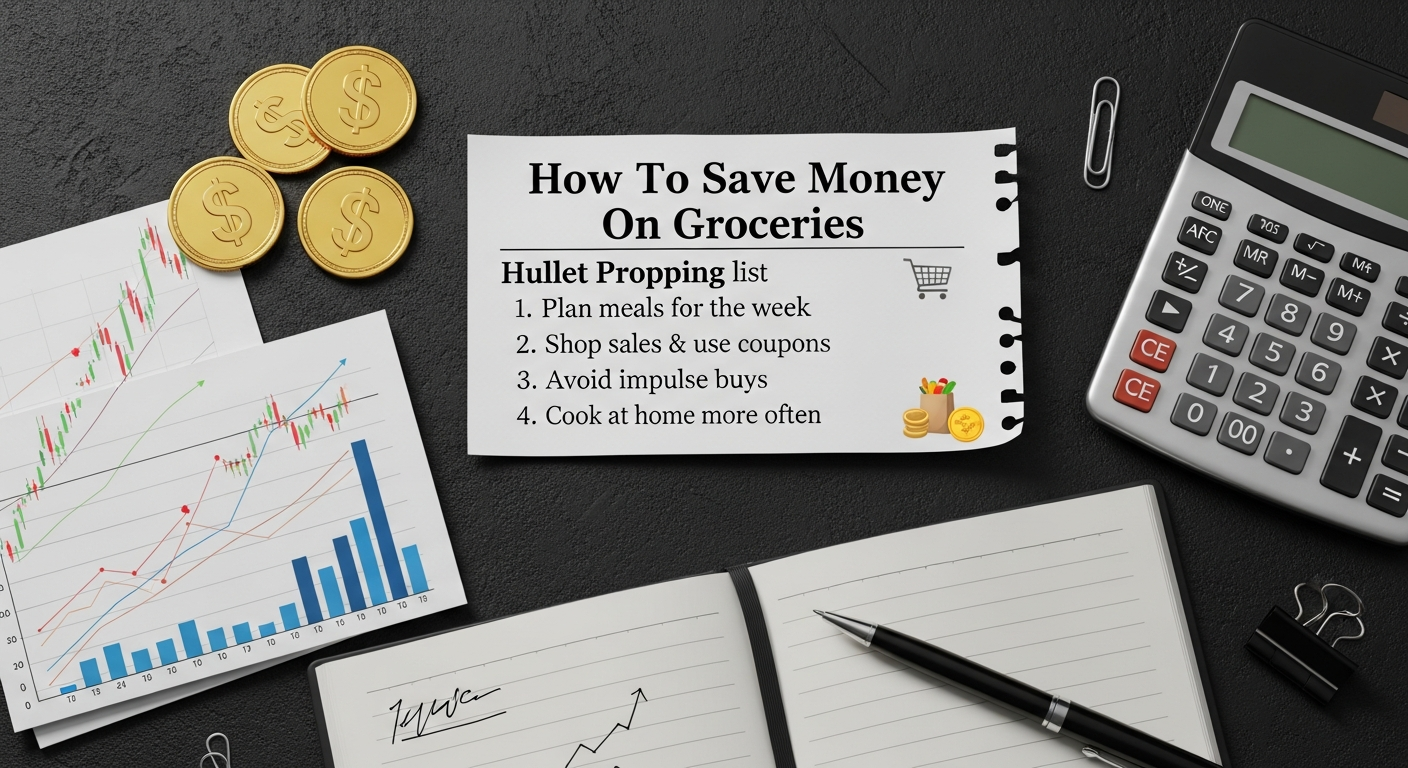
Saving money on groceries doesn’t end when you leave the store. A significant portion of food waste occurs at home, meaning money spent on groceries is literally thrown into the trash. By adopting smart kitchen habits and focusing on waste reduction, you can extend the life of your purchases and get more value from every food item.
Proper Food Storage
Extending the freshness of your food is a critical step in reducing waste and saving money.
- Understand Storage Needs: Learn which fruits and vegetables belong in the fridge versus on the counter. For example, potatoes, onions, and garlic prefer cool, dark places, while tomatoes lose flavor in the fridge. Apples and bananas can hasten ripening of other produce, so store them separately.
- Airtight Containers: Invest in good quality airtight containers to store leftovers, cut produce, and opened packages. This prevents spoilage and freezer burn.
- First In, First Out (FIFO): Practice the FIFO method: use older items before newer ones. Rotate items in your pantry and fridge so that those nearing their expiration date are at the front.
- Freezing: The freezer is your friend. Freeze excess bread, berries, meat portions, soups, and even some herbs (chopped with oil or water in ice cube trays). This is particularly useful when you buy items on sale or in bulk.
A well-organized fridge and pantry not only save food but also make meal prep easier, as you can quickly see what you have available.
Repurpose Leftovers
Leftovers are not just for lunch the next day; they are culinary goldmines waiting to be transformed.
- Creative Reinvention: Don’t just reheat; reinvent. Leftover roasted chicken can become chicken salad, tacos, soup, or a stir-fry. Mashed potatoes can be turned into croquettes or added to shepherd’s pie.
- Batch Cooking: Cook larger quantities of staple ingredients like grains, roasted vegetables, or proteins. These can then be incorporated into various meals throughout the week.
- Stock Making: Vegetable scraps (onion skins, carrot tops, celery ends) and meat bones (from roasted chicken, for instance) can be simmered to create flavorful stocks or broths, forming the base for soups and sauces. This saves money on store-bought stocks and utilizes parts of food that would otherwise be discarded.
- “Use It Up” Meals: Designate one meal a week as a “use it up” meal, where you creatively combine disparate leftovers or ingredients nearing their expiry date into a new dish, such as a frittata, stir-fry, or a “clean out the fridge” soup.
Embracing leftovers and food scraps significantly reduces waste and maximizes the return on your grocery investment.
Cook at Home More Often
Eating out, even occasionally, can quickly erode your grocery savings. Cooking at home is almost always more cost-effective and often healthier.
- Cost Comparison: A single restaurant meal can often cost as much as the ingredients for several home-cooked meals.
- Control Ingredients: When you cook at home, you control the quality of ingredients, portion sizes, and nutritional content.
- Skill Building: Cooking is a life skill that provides immense value. The more you cook, the more confident and efficient you become, making it less of a chore.
- Pack Lunches: Bringing a packed lunch to work or school instead of buying it daily can save hundreds, if not thousands, of dollars annually.
View cooking at home as an investment in your financial health and well-being.
Grow Your Own (Even a Little)
While not everyone has the space or time for a full garden, even a small effort can yield fresh produce and significant savings.
- Herbs: Basil, mint, chives, and parsley are easy to grow in pots on a windowsill or balcony. Fresh herbs are expensive to buy and often come in larger quantities than needed, leading to waste.
- Scraps: You can regrow many vegetables from their scraps, such as romaine lettuce, celery, green onions, and even ginger.
- Small Veggies: Cherry tomatoes, bell peppers, and various lettuces can thrive in containers.
Growing even a small amount of your own food connects you more directly to your food source, provides fresh ingredients, and can be a surprisingly rewarding and cost-effective hobby. This kind of self-sufficiency, even on a small scale, reinforces the principles of resourcefulness that are crucial for sound financial management, mirroring the proactive approach one might take when learning an Options Trading Beginners Guide to understand and manage their own financial decisions.
Leveraging Technology and Community Resources
In the digital age, saving money on groceries extends beyond traditional methods. Technology offers powerful tools for comparison shopping, couponing, and budgeting, while community resources provide alternative avenues for affordable, fresh food. Integrating these into your strategy can unlock additional savings and enhance your overall financial efficiency.
Grocery Apps and Digital Tools
A plethora of mobile applications and websites are designed to help consumers save money on groceries. Leveraging these tools can streamline your planning and maximize your discounts.
- Price Comparison Apps: Apps like Flipp, Basket, or even store-specific apps allow you to browse weekly flyers from multiple retailers in your area, making it easy to compare prices and plan your shopping trips to different stores for the best deals. This “cherry-picking” strategy ensures you buy each item at its lowest available price.
- Digital Coupon Aggregators: Apps like Ibotta, Checkout 51, and Fetch Rewards offer cash back on specific grocery purchases. You typically activate offers, shop, and then scan your receipt to earn rewards. These can be combined with store sales and manufacturer coupons for amplified savings.
- Meal Planning Apps: Tools such as Mealime, Paprika, or PlateJoy can help you generate meal plans, create shopping lists based on those plans, and even suggest recipes based on ingredients you have on hand or what’s on sale. This automation drastically reduces the time and effort involved in strategic planning.
- Budgeting Apps: As mentioned earlier, apps like Mint, YNAB, or your bank’s own budgeting tools can help you track your grocery spending in real-time, categorize purchases, and alert you when you’re approaching your budget limits. This digital oversight is crucial for maintaining financial discipline and ensuring that grocery savings contribute directly to larger goals, like figuring out how to start investing little money in 2026.
- Store-Specific Apps: Many major grocery chains have their own apps that integrate loyalty programs, digital coupons, personalized offers, and even online ordering for pickup or delivery. Becoming familiar with the apps of your preferred stores can unlock exclusive savings.
The digital landscape provides an unprecedented opportunity to optimize your grocery spending. By integrating these tools into your routine, you can make smarter purchasing decisions with minimal effort.
Community Supported Agriculture (CSAs) and Farmers’ Markets
Beyond traditional supermarkets, alternative food sources can offer fresh, high-quality produce at competitive prices, while also supporting local economies.
- Farmers’ Markets: Visiting local farmers’ markets, especially towards the end of the day, can often yield great deals on fresh, seasonal produce. Farmers might be willing to offer discounts on bulk purchases or slightly imperfect items that are still perfectly good. Buying in season is key to affordability and flavor. You also reduce transportation costs and support local agriculture, which can be a rewarding aspect of your food choices.
- Community Supported Agriculture (CSAs): A CSA program involves purchasing a “share” of a farm’s harvest at the beginning of the growing season. In return, you receive a weekly or bi-weekly box of fresh, seasonal produce directly from the farm. While the upfront cost might seem substantial, the per-item cost often works out to be very competitive, and you get access to incredibly fresh, often organic, produce. It encourages cooking with seasonal ingredients and can introduce you to new vegetables you might not typically buy, fostering culinary creativity.
- Food Co-ops: Member-owned food cooperatives often offer discounts to their members and focus on locally sourced, organic, and specialty foods. While membership might involve a fee or volunteer hours, the savings on groceries can be significant, especially for specific dietary needs or preferences.
- U-Pick Farms: If available in your area, U-pick farms allow you to harvest your own fruits and vegetables directly from the field. This can be a fun activity for the family and often results in significantly lower prices per pound compared to retail, especially for items like berries, apples, or pumpkins.
Exploring these community-based food systems not only saves money but also promotes healthier eating, supports local businesses, and reduces your environmental footprint. They represent a more holistic approach to grocery shopping that aligns with the broader financial wisdom of diversifying your resources and seeking value beyond conventional channels.
The Bigger Picture: Groceries and Your Financial Freedom
Saving money on groceries isn’t an isolated act; it’s an integral component of a well-rounded financial strategy. The discipline, planning, and resourcefulness required to effectively manage your grocery budget are precisely the same qualities that drive success in broader financial endeavors, from investing to debt management. By mastering this seemingly mundane aspect of household economics, you are actively laying the groundwork for greater financial freedom and security.
Consider the immediate and tangible impact: every dollar saved on groceries is a dollar that can be redirected towards your most pressing financial goals. For many, this means accelerating efforts on how to get out credit card debt. High-interest credit card debt can be a crippling burden, eroding wealth and creating significant stress. By consistently reducing your grocery expenditure, you create more margin in your budget, allowing you to make larger payments towards your principal balance. This not only reduces the total interest paid over the life of the debt but also shortens the time it takes to become debt-free, freeing up even more capital for future opportunities. The satisfaction of seeing your debt shrink, fueled by smart everyday choices, provides powerful motivation for continued financial discipline.
Beyond debt reduction, grocery savings are a direct pipeline to building wealth. For those keen on understanding how to start investing little money in 2026, the consistent savings generated from a smart grocery strategy can provide the initial capital needed to open an investment account. Even small, regular contributions can grow substantially over time due to the power of compound interest. Whether you’re funding a Roth IRA, contributing to a brokerage account, or setting aside money for a down payment on a home, every dollar saved on groceries today is a dollar invested in your future. It teaches the invaluable lesson that financial growth doesn’t always require a massive windfall; often, it’s the result of consistent, incremental improvements in daily spending habits.
The strategic thinking applied to grocery shopping also mirrors the analytical approach required for successful investing and trading. Just as you compare unit prices for groceries, an investor analyzes company valuations and market trends. Just as you plan meals around sales, a trader plans entries and exits based on market signals. This foundational understanding of value, efficiency, and disciplined execution is universally applicable. Even exploring an Options Trading Beginners Guide benefits from a mindset of careful planning and risk assessment, which is honed through conscientious budgeting and expense management. The ability to make informed decisions under constraints, whether those are budget constraints at the supermarket or capital constraints in the market, is a transferable skill.
Ultimately, embracing a proactive approach to saving money on groceries fosters a powerful sense of control over your finances. It transforms passive consumption into active management, empowering you to align your daily spending with your long-term aspirations. This journey towards financial efficiency, starting with something as fundamental as your food budget, is a critical step on the path to true financial freedom, enabling you to build a more secure, prosperous, and intentional future.
Frequently Asked Questions
Recommended Resources
Explore How To Invest 1000 Dollars for additional insights.
Explore How To Improve Your Communication Skills At Work for additional insights.