
The Evolving Landscape of Money Management in 2026
The financial technology (FinTech) sector has undergone a rapid transformation, and by 2026, budgeting apps are far more than simple expense trackers. They have become integrated financial ecosystems, leveraging artificial intelligence (AI), machine learning (ML), and open banking APIs to provide a holistic view of your financial health. Users in 2026 expect proactive insights, personalized recommendations, and seamless integration across various financial accounts, including checking, savings, credit cards, loans, and investment platforms. The emphasis has shifted from merely recording transactions to providing actionable intelligence that helps users make smarter financial decisions.
In 2026, security remains a top priority, with advanced encryption and multi-factor authentication being standard features across all reputable platforms. Data privacy regulations have also tightened, giving users more control over their financial information. Furthermore, the rise of specialized financial products and services, such as robo-advisors and micro-investing platforms, means that the best budgeting apps now offer features that seamlessly connect your spending habits to your broader financial goals, including long-term wealth accumulation. This integration is crucial for users who want to see how their daily spending impacts their ability to How To Start Investing Little Money 2026 or pay down significant debt.
The demand for user-friendly interfaces, robust customization options, and superior customer support also dictates the success of these applications. As the digital economy becomes more prevalent, these apps also increasingly support various payment methods and digital currencies, ensuring they remain relevant in an ever-changing financial environment. Understanding these trends is key to identifying which apps are truly leading the pack for effective money management in the coming years.
Key Features to Look for in a Budgeting App in 2026
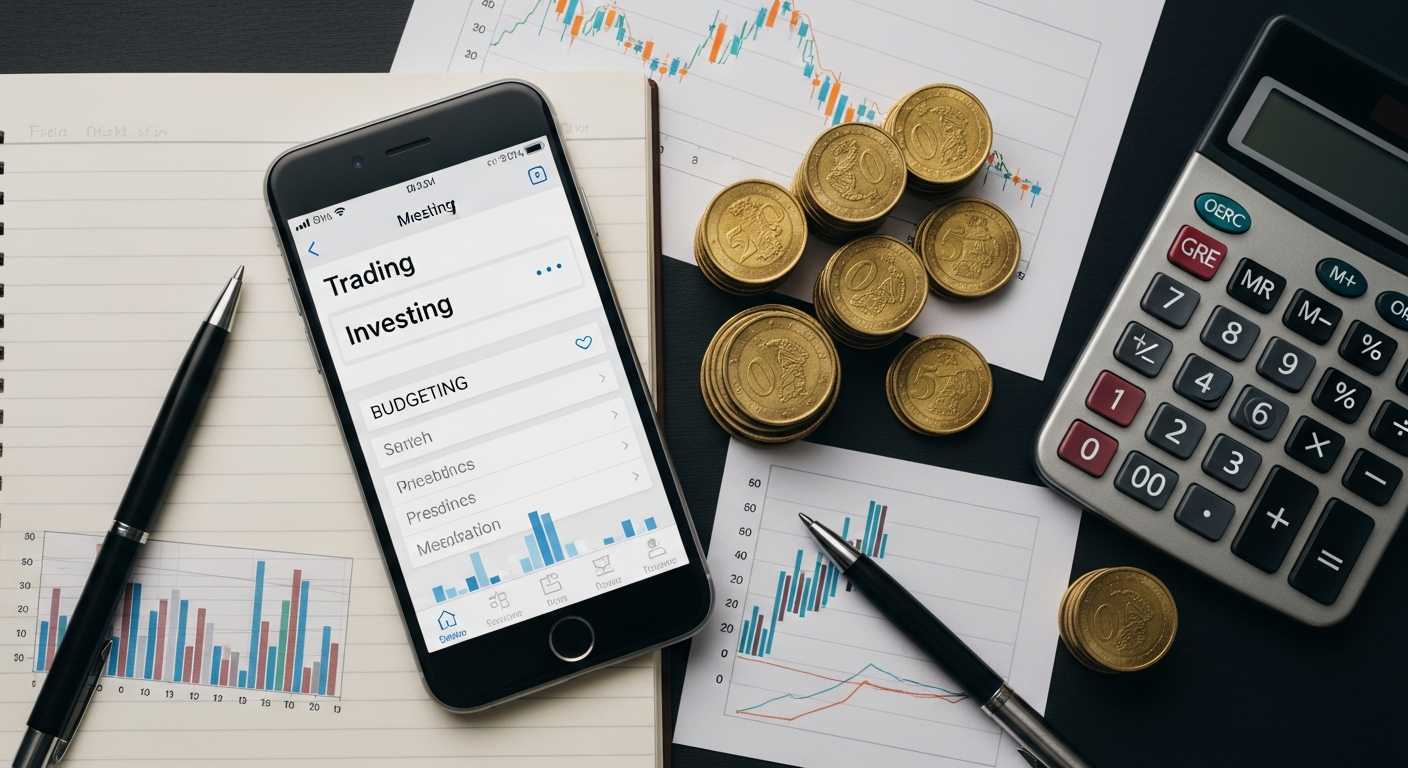
Choosing the ideal budgeting app requires a careful evaluation of its core functionalities against your personal financial needs and goals. As we approach 2026, here are the essential features that define a top-tier money management application:
- Comprehensive Account Aggregation: The ability to link all your financial accounts – banks, credit cards, loans, investments, and even real estate – in one secure place. This provides a single, unified dashboard for your entire financial picture.
- Intuitive Budget Creation & Tracking: Easy setup of various budget categories, with real-time tracking of spending against those budgets. Look for apps that allow for flexible budgeting methods (e.g., zero-based, 50/30/20 rule, envelope system).
- Automated Transaction Categorization: AI-powered categorization that learns from your spending habits, minimizing manual input and ensuring accuracy. The best apps offer robust customization for these categories.
- Goal Setting & Tracking: Features that allow you to set specific financial goals – saving for a down payment, paying off debt, building an emergency fund, or funding an investment account – and track your progress towards them.
- Bill Tracking & Reminders: Automated reminders for upcoming bills and subscriptions, helping you avoid late fees and manage your cash flow effectively. Some apps even identify duplicate subscriptions.
- Net Worth Tracking: A clear, real-time calculation of your net worth, encompassing all assets and liabilities. This is particularly valuable for long-term financial planning and investment tracking.
- Reporting & Analytics: Customizable reports and visual graphs that provide insights into your spending patterns, income trends, and overall financial health. These analytics are crucial for identifying areas for improvement.
- Investment Tracking & Integration: For those on the Trading Costs blog, integration with investment accounts to monitor portfolio performance, asset allocation, and contribution tracking is a significant advantage.
- Debt Management Tools: Specific features designed to help users visualize and strategize debt repayment, particularly useful for understanding How To Get Out Credit Card Debt.
- Robust Security & Privacy: Bank-level encryption, multi-factor authentication, and a clear commitment to data privacy are non-negotiable.
- User Experience (UX): An clean, intuitive interface that is easy to navigate, whether on desktop or mobile, enhancing the overall user experience and encouraging consistent use.
By prioritizing these features, you can ensure that the budgeting app you choose in 2026 will not only meet your current needs but also scale with your evolving financial ambitions.
Top Contenders: Best Money Apps for Budgeting 2026
YNAB (You Need A Budget)
YNAB remains a powerhouse in the budgeting world, particularly for those committed to a proactive, zero-based budgeting approach. Its core philosophy, which dictates giving every dollar a job, encourages users to be incredibly intentional with their money. By 2026, YNAB has further refined its intuitive interface and powerful reporting tools, allowing users to allocate funds to categories like “rent,” “groceries,” “emergency fund,” and even “investment capital” before the money is spent. This proactive approach is incredibly effective for breaking the paycheck-to-paycheck cycle and building significant savings. While it comes with a subscription fee, many users find the financial discipline and clarity it provides far outweigh the cost. For individuals grappling with debt, YNAB‘s methodology is exceptionally helpful in creating a clear path to debt repayment, providing a strong framework for How To Get Out Credit Card Debt by dedicating specific funds to principal reduction each month. Its focus on future planning also makes it an excellent foundation for individuals looking to understand How To Start Investing Little Money 2026, as it helps identify disposable income that can be channeled into investment accounts.
Mint (by Intuit)
As a long-standing free option, Mint continues to be a popular choice for comprehensive financial overviews. By 2026, Mint has solidified its position as a robust aggregator, linking virtually all financial accounts from banks to investment portfolios. Its strength lies in its ability to categorize transactions automatically, track spending against customizable budgets, and provide a clear picture of your net worth. Mint‘s interface is user-friendly, offering visual dashboards that highlight spending trends, upcoming bills, and debt balances. While its budgeting features are more reactive than YNAB‘s, it’s an excellent tool for those who want a bird’s-eye view of their finances without a subscription fee. For those interested in the markets, Mint‘s investment tracking allows users to see their portfolio’s performance alongside their daily spending, making it easier to connect budgeting discipline with long-term wealth growth, thereby supporting an understanding of How To Start Investing Little Money 2026. It also provides insights into debt utilization, nudging users towards better financial habits, which is crucial for tackling credit card debt.
Empower (formerly Personal Capital)
For investors and high-net-worth individuals, Empower (formerly Personal Capital) stands out as a premier hybrid platform in 2026. While it offers excellent budgeting and spending tracking features, its true power lies in its comprehensive wealth management tools. Users can link all their financial accounts, including complex investment portfolios, to gain a real-time view of their net worth, portfolio allocation, and performance. Empower‘s fee analyzer helps identify hidden investment fees, potentially saving users thousands over time. Its retirement planner projects future financial scenarios, helping users visualize their long-term goals. The budgeting component, while not as granular as YNAB, is robust enough to help users understand their cash flow and allocate funds towards their investment objectives. For those interested in an Options Trading Beginners Guide, Empower provides a sophisticated backdrop for tracking the overall health of their investment capital, ensuring that trading activities are part of a larger, well-managed financial plan. It’s an indispensable tool for serious investors who want their budgeting to be seamlessly integrated with their wealth management strategy.
Simplifi by Quicken
Simplifi by Quicken offers a compelling balance of powerful features and user-friendliness, making it an excellent choice for those who find traditional Quicken too complex or YNAB too strict. By 2026, Simplifi has perfected its streamlined interface, focusing on providing real-time insights into spending, savings, and subscriptions. Its standout features include a personalized spending plan, which automatically tracks recurring bills and income, and a “Watchlist” for specific spending categories you want to monitor closely. Simplifi is adept at identifying opportunities for saving and provides a clear picture of your cash flow. It also offers basic investment tracking, allowing users to monitor their portfolio balances alongside their day-to-day finances. The app’s ability to help users understand their disposable income makes it a valuable tool for anyone looking to understand How To Start Investing Little Money 2026, as it simplifies the process of identifying funds available for regular contributions. For those looking to manage debt, its spending insights can help pinpoint areas where cutbacks can accelerate debt repayment, contributing to a strategy for How To Get Out Credit Card Debt.
Rocket Money (formerly Truebill)
Rocket Money has carved out a unique niche in the budgeting app market, particularly excelling in subscription management and bill negotiation. By 2026, its AI-powered platform has become even more sophisticated at identifying recurring charges, helping users cancel unwanted subscriptions with ease. This focus on optimizing expenses directly impacts budgeting by freeing up funds that can be redirected towards savings, debt repayment, or investments. Beyond subscription management, Rocket Money offers robust budgeting tools, expense tracking, and net worth analysis. It can even negotiate lower rates on existing bills (like internet or cable) on your behalf, providing tangible savings. For anyone struggling with the insidious drain of forgotten subscriptions or high monthly bills, Rocket Money is a game-changer. The savings identified through this app can directly contribute to efforts to How To Get Out Credit Card Debt or provide the initial capital needed for those wondering How To Start Investing Little Money 2026. Its proactive approach to finding and saving money makes it a powerful ally in any financial strategy.
Fidelity Full View / Vanguard Personal Advisor Services (Integrated Solutions)
For investors who prefer an integrated approach where their budgeting lives within their primary investment platform, solutions like Fidelity Full View or Vanguard Personal Advisor Services (and similar offerings from other major brokerages) are increasingly sophisticated by 2026. These platforms are not standalone budgeting apps but rather robust financial dashboards provided by investment firms. Fidelity Full View, powered by eMoney Advisor, allows Fidelity clients to link external bank accounts, credit cards, and other investments, providing a comprehensive net worth calculation and basic budgeting tools. Vanguard Personal Advisor Services, while primarily an advisory service, also offers clients a holistic view of their finances. The advantage here is seamless integration for those whose primary financial goal is investment growth. Budgeting becomes a direct input into their investment strategy, making it easy to see how savings directly impact portfolio contributions. For those actively engaged in or considering an Options Trading Beginners Guide, having their budgeting and trading capital managed under one roof can provide unparalleled clarity and control over their risk exposure and overall financial health, ensuring disciplined funding of their trading accounts.
Beyond Budgeting: Integrating Financial Goals (Debt, Investing, Trading)
The best money apps for budgeting in 2026 do more than just track your spending; they serve as a launchpad for achieving broader financial objectives. For readers of Trading Costs, this integration is particularly vital. Understanding your cash flow and optimizing your budget directly impacts your ability to tackle debt, initiate investments, and even engage in more advanced strategies like options trading.
Tackling Debt with Your Budgeting App: How To Get Out Credit Card Debt
One of the most immediate and impactful uses of a budgeting app is in debt management, particularly when facing high-interest credit card debt. A clear budget helps you identify exactly where your money is going, revealing areas where you can cut back to free up funds for accelerated debt repayment. Apps like YNAB, with its “give every dollar a job” philosophy, allow you to specifically budget for larger debt payments. By allocating extra money each month to your highest-interest credit card, you can implement strategies like the debt snowball or debt avalanche more effectively. Many apps offer debt payoff calculators and visual progress trackers, which provide the motivation needed to stay on course. Seeing your debt balance decrease over time, directly linked to your diligent budgeting efforts, is incredibly empowering. For those wondering How To Get Out Credit Card Debt in 2026, the disciplined approach fostered by a strong budgeting app is arguably the most powerful tool at your disposal, providing the clarity and accountability needed to make consistent progress.
Paving the Way for Investment: How To Start Investing Little Money 2026
Once you have a handle on your debt and a solid emergency fund in place, your budgeting app becomes instrumental in transitioning towards investment. Many people believe they need a large sum of money to start investing, but this is a misconception. Effective budgeting helps you identify even small amounts of disposable income that can be consistently channeled into investment vehicles. Apps like Simplifi or even the free insights from Mint can show you where you might be overspending by $50 or $100 a month – money that could be invested. Micro-investing apps, fractional shares, and low-cost index funds make it easier than ever to How To Start Investing Little Money 2026. Your budgeting app helps you set specific savings goals for investment, track those contributions, and even link directly to your investment accounts (as seen with Empower or Fidelity Full View) to monitor growth. This financial discipline creates a consistent habit of saving and investing, which is the cornerstone of long-term wealth creation, regardless of the initial amount.
Advanced Strategies: Budgeting for Options Trading Beginners Guide
For those venturing into more sophisticated financial instruments, such as options trading, meticulous budgeting becomes even more critical. An Options Trading Beginners Guide will always emphasize risk management, and risk management starts with knowing exactly how much capital you can afford to allocate to trading without jeopardizing your core financial stability. Your budgeting app ensures that your trading capital is truly discretionary and not drawn from funds needed for essential living expenses, debt repayment, or long-term savings. By clearly segmenting your income and expenses, you can identify a specific “trading budget” that allows you to manage risk effectively. Apps that offer investment tracking, like Empower or integrated brokerage solutions, allow you to see your trading account balance alongside your overall net worth, providing context for your trading activities. This prevents emotional decision-making driven by financial pressure and ensures that your foray into options trading is a calculated, controlled endeavor, rather than a gamble. A well-managed budget is the bedrock of responsible trading, allowing you to learn and grow without undue financial stress.
Choosing the Right Budgeting App for You in 2026
With such a diverse array of powerful tools available, selecting the best money apps for budgeting 2026 ultimately comes down to your individual financial situation, goals, and preferred budgeting style. There’s no one-size-fits-all solution, and what works brilliantly for one person might not be the ideal fit for another.
- Consider Your Current Financial State: Are you primarily focused on getting out of debt? Then an app with strong debt management features and a proactive budgeting style like YNAB might be best. Are you looking for a free, comprehensive overview? Mint could be your choice.
- Define Your Goals: Is your main objective to start investing, save for a large purchase, or simply track your spending? Apps like Empower or Fidelity Full View excel for investment-centric users, while Rocket Money is fantastic for identifying savings by cutting expenses.
- Evaluate Your Budgeting Style: Do you prefer a strict, zero-based approach (YNAB)? Or a more relaxed, automated tracking system (Mint, Simplifi)? Some prefer hands-on control, while others appreciate automation and minimal input.
- Factor in Cost: While many apps offer free versions, the most powerful and feature-rich options often come with a subscription fee. Consider whether the benefits and financial insights gained justify the monthly or annual cost. Often, the money saved or better managed far exceeds the subscription fee.
- Look at Integration Needs: Do you need seamless integration with your existing investment accounts, or perhaps specific banking institutions? Check compatibility and the depth of integration offered by each app.
- Prioritize User Experience: A beautiful, intuitive interface can significantly impact your consistency in using the app. Take advantage of free trials to test out the user experience before committing.
Ultimately, the best app is the one you will consistently use. Experiment with a few options, leveraging free trials where available, to find the platform that empowers you to take control of your finances and achieve your unique financial objectives in 2026 and beyond.
The Future of Financial Management: AI, Automation, and Beyond
As we advance deeper into 2026 and look towards the latter half of the decade, the evolution of money management apps is poised for even more revolutionary changes. Artificial intelligence and machine learning are no longer just categorizing transactions; they are becoming predictive and prescriptive. Expect apps to offer increasingly sophisticated financial forecasts, predicting future cash flow based on spending patterns, upcoming bills, and projected income. This predictive power will enable users to anticipate financial shortfalls or surpluses well in advance, allowing for proactive adjustments.
Hyper-personalization will be another major trend. Instead of generic advice, budgeting apps will offer highly tailored recommendations based on individual spending habits, risk tolerance, and life goals. For instance, an app might suggest specific investment strategies for individuals looking to How To Start Investing Little Money 2026, or recommend a precise debt repayment schedule to How To Get Out Credit Card Debt based on your unique income and expense profile. Automation will extend beyond bill pay and subscription management, potentially automating savings transfers based on predefined rules, or even automatically optimizing investment contributions. Gamification of financial goals, with rewards and challenges, will also become more common, making financial management more engaging.
Furthermore, the integration of budgeting apps with broader digital ecosystems will deepen. Imagine your budgeting app seamlessly interacting with your smart home devices to optimize utility spending, or with your wearable tech to track financial habits linked to well-being goals. Blockchain technology might also play a role, enhancing security and transparency for certain financial transactions. For traders, this could mean real-time insights into market conditions integrated directly into their budgeting tools, helping them manage capital more dynamically in line with an Options Trading Beginners Guide. The future of financial management promises a highly intelligent, integrated, and intuitive experience, making it easier than ever for individuals to achieve financial freedom and prosperity.
Frequently Asked Questions
Recommended Resources
Explore How To Use Linkedin For B2B Lead Generation for additional insights.
Learn more about this topic in Best Black Friday Shopping Tips 2026 at Gold Points.