
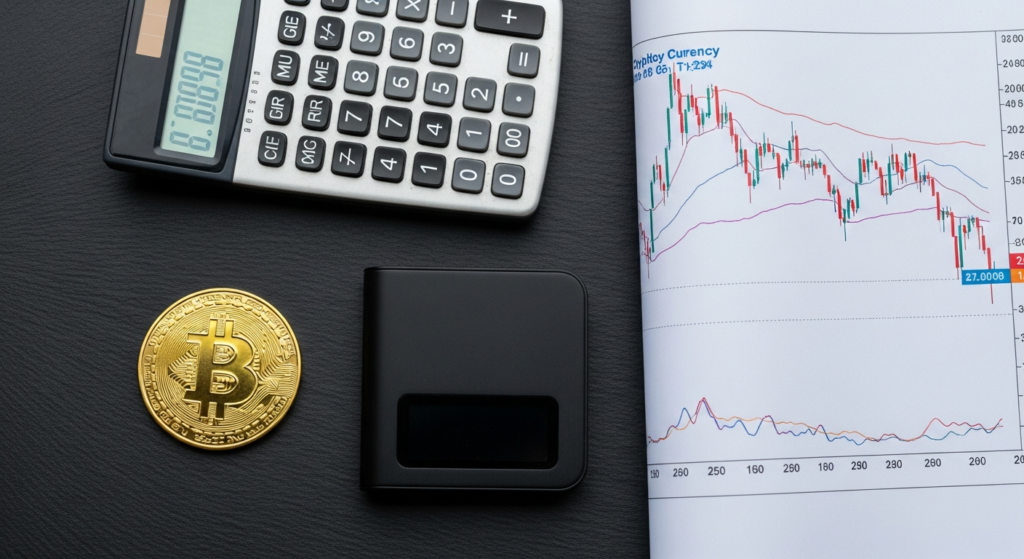
Navigating the Digital Frontier: A Comprehensive Crypto Investing Guide for Beginners in 2026
Disclaimer: This article is for informational purposes only and does not constitute financial advice. Investors should conduct their own research and consult with a qualified financial advisor before making any investment decisions. Cryptocurrency investments are highly speculative and involve a substantial risk of loss.
The year 2026 finds the cryptocurrency landscape in a state of unprecedented evolution. What began as a niche technological curiosity has matured into a recognized, albeit volatile, asset class drawing significant attention from both retail and institutional investors. The regulatory environment has seen considerable clarity emerge, institutional participation has surged, and technological advancements continue to redefine digital finance. For beginners eyeing this dynamic space, the opportunities are compelling, yet the complexities remain substantial. This comprehensive guide, crafted for the discerning investor, aims to demystify crypto investing in 2026, offering data-driven insights, objective comparisons, and strategic advice to navigate its unique challenges and capitalize on its potential.
Understanding the Evolving Crypto Landscape in 2026
At its core, cryptocurrency is a digital or virtual currency secured by cryptography, making it nearly impossible to counterfeit or double-spend. Most cryptocurrencies are decentralized networks based on blockchain technology—a distributed public ledger enforced by a network of computers. This fundamental architecture underpins their appeal and distinguishes them from traditional financial assets.
Key Trends Shaping Crypto in 2026
- Regulatory Maturation: By 2026, the global regulatory framework for cryptocurrencies has significantly advanced. The approval of spot Bitcoin ETFs in early 2024 in the United States, followed by similar Ethereum ETFs, marked a pivotal moment, legitimizing crypto for a broader investor base. Jurisdictions like the European Union, with its Markets in Crypto-Assets (MiCA) regulation, have established comprehensive frameworks, fostering greater consumer protection and market integrity. This clarity has reduced regulatory uncertainty, which historically deterred many traditional financial institutions.
- Increased Institutional Participation: The regulatory clarity and product innovation have spurred a massive influx of institutional capital. Major asset managers like BlackRock, Fidelity, and Grayscale are not only offering crypto-backed products but are also actively investing in blockchain infrastructure and decentralized finance (DeFi) protocols. This institutional embrace brings enhanced liquidity, stability, and professional oversight to the market.
- Technological Advancements: The underlying technology continues its rapid evolution. Layer 2 scaling solutions for Ethereum, such as Arbitrum, Optimism, and Polygon, have dramatically improved transaction speeds and reduced gas fees, making decentralized applications (dApps) more accessible and user-friendly. Innovations in interoperability protocols are allowing different blockchains to communicate seamlessly, fostering a more interconnected digital economy.
- Real-world Utility & Adoption: Beyond speculative trading, cryptocurrencies and blockchain technology are finding increasing real-world utility. DeFi protocols offer alternatives to traditional banking services, non-fungible tokens (NFTs) are evolving into verifiable digital ownership for various assets, and enterprise blockchain solutions are streamlining supply chains and data management across industries. Tokenized real-world assets (RWAs) are gaining traction, bridging traditional finance with blockchain.
Distinguishing Between Key Crypto Categories
Not all cryptocurrencies are created equal. Understanding their distinct functionalities is crucial for informed investment decisions:
- Store of Value (e.g., Bitcoin): Often dubbed “digital gold,” Bitcoin’s finite supply (21 million coins) and robust network security position it as a hedge against inflation and economic uncertainty. Its historical performance underscores its role, with a compounded annual growth rate (CAGR) exceeding 60% over the past decade (2014-2024), significantly outperforming traditional assets like the S&P 500’s approximate 12-14% CAGR over the same period.
- Smart Contract Platforms (e.g., Ethereum, Solana, Cardano, Avalanche): These blockchains provide the infrastructure for decentralized applications and smart contracts. Ethereum, the largest by market capitalization in this category, powers a vast ecosystem of DeFi, NFTs, and Web3 projects. Investing in these platforms is akin to investing in the underlying operating systems of the digital economy.
- Stablecoins (e.g., USDC, USDT): Pegged to traditional fiat currencies (typically the US dollar), stablecoins offer price stability, making them ideal for trading, remittances, and hedging against market volatility without exiting the crypto ecosystem.
- Decentralized Finance (DeFi) Tokens (e.g., UNI, AAVE): These tokens govern various DeFi protocols, granting holders voting rights and often a share of protocol fees. They represent a stake in the future of decentralized financial services.
- Memecoins (e.g., Dogecoin, Shiba Inu): Characterized by their community-driven, often humorous nature, memecoins are highly speculative and driven primarily by social sentiment rather than fundamental utility. While they can offer astronomical returns, they also carry an exceptionally high risk of total loss and are generally not recommended for beginner investors seeking sustainable growth.
Building Your Crypto Investment Thesis: Principles for 2026
Successful crypto investing in 2026 demands a disciplined approach, grounded in clear objectives and a deep understanding of market dynamics. Unlike traditional markets, crypto’s heightened volatility necessitates robust risk management strategies.
Define Your Goals and Risk Tolerance
Before allocating capital, critically assess your investment goals. Are you seeking aggressive short-term gains, or are you focused on long-term capital appreciation and portfolio diversification? Crypto, even in 2026, remains a high-risk asset class. Investors must honestly evaluate how much capital they are genuinely prepared to lose. A common guideline suggests allocating no more than 5-10% of your total investment portfolio to cryptocurrencies, especially for beginners.
The Imperative of Research (DYOR)
The adage “Do Your Own Research” (DYOR) is paramount in crypto. Unlike traditional stocks with established financial statements, crypto projects require a different lens for fundamental analysis. Scrutinize:
- Whitepapers: Understand the project’s vision, technology, and proposed solutions.
- Team & Advisors: Evaluate the credibility, experience, and track record of the development team.
- Tokenomics: Analyze the token’s supply, distribution, vesting schedules, and inflation/deflation mechanisms.
- Use Case & Competitive Landscape: Does the project solve a real problem? How does it stack up against competitors?
- Community & Development Activity: A vibrant, engaged community and consistent code updates are positive indicators.
Starting Small & Dollar-Cost Averaging (DCA)
Given crypto’s inherent volatility, trying to “time the market” is notoriously difficult, even for seasoned professionals. Dollar-Cost Averaging (DCA) is a highly effective strategy for beginners. This involves investing a fixed amount of money at regular intervals (e.g., $50-$100 weekly or monthly), regardless of the asset’s price. DCA mitigates the risk of buying at a market peak and smooths out the average purchase price over time. For example, investing $100 weekly into Bitcoin from January 2023 to January 2024 would have yielded an average purchase price significantly lower than if one had attempted to buy at the peak of market rallies.
Embrace a Long-Term Horizon
The cryptocurrency market operates in distinct cycles, often characterized by periods of rapid ascent followed by significant corrections. While daily or weekly price swings can be dramatic, the long-term trend for established assets like Bitcoin and Ethereum has historically been upward. Adopting a long-term investment horizon (e.g., 3-5 years or more) allows investors to ride out short-term fluctuations and benefit from the compounding growth potential as the technology matures and adoption expands. Patience is not just a virtue in crypto; it’s a strategic necessity.
Avoid FOMO and FUD
Emotional investing—driven by Fear Of Missing Out (FOMO) during rallies or Fear, Uncertainty, and Doubt (FUD) during downturns—is a primary cause of poor investment decisions in crypto. Stick to your predefined investment thesis, risk tolerance, and DCA strategy. Resist the urge to chase “pump and dump” schemes or panic-sell during corrections. Maintain a rational, data-driven perspective.
Navigating Investment Vehicles and Platforms in 2026
By 2026, beginners have a broader array of accessible and regulated options for gaining exposure to crypto, moving beyond just direct purchases on exchanges.
Direct Purchase of Cryptocurrencies
This method involves buying and holding actual cryptocurrencies. It offers direct ownership and the potential for greater control, but also comes with the responsibility of self-custody or trusting an exchange.
- Centralized Exchanges (CEXs): These are the most common entry points for beginners.
- Pros: User-friendly interfaces, high liquidity, fiat on/off-ramps (bank transfers, credit cards), robust security features (e.g., cold storage, insurance policies for fiat deposits), and often offer educational resources. They handle KYC (Know Your Customer) and AML (Anti-Money Laundering) requirements, simplifying compliance.
- Cons: Custodial risk (you don’t hold the private keys, so your assets are vulnerable if the exchange is hacked or mismanaged), potential for regulatory scrutiny, and varying fee structures.
- Examples for 2026:
- Coinbase: Renowned for its user-friendliness and strong regulatory compliance in the US. Offers a wide range of assets and a robust learning platform. Transaction fees can be higher for instant buys but lower for advanced trading.
- Binance: The world’s largest exchange by trading volume, offering extensive asset selection, advanced trading tools, and lower fees for active traders. Its global presence means regulatory nuances vary by region (e.g., Binance.US for American customers).
- Kraken: Known for its strong security track record, competitive fees, and excellent customer support. Offers a good balance for both beginners and intermediate traders.
- Gemini: Emphasizes security and regulatory compliance, particularly appealing to institutional clients and those prioritizing a secure, regulated environment.
- Crypto.com: Offers a wide range of services including an exchange, DeFi wallet, and crypto-backed debit cards, catering to a broad user base.
- Decentralized Exchanges (DEXs): These platforms allow peer-to-peer crypto trading without intermediaries.
- Pros: Non-custodial (you retain control of your private keys), enhanced privacy, and access to a wider array of nascent tokens not yet listed on CEXs.
- Cons: Higher technical barrier for beginners, potential for impermanent loss for liquidity providers, and susceptibility to smart contract risks.
- Examples: Uniswap (Ethereum), PancakeSwap (BNB Chain). Generally recommended for more experienced users.
Regulated Investment Products
For investors accustomed to traditional brokerage accounts, regulated products offer a familiar pathway to crypto exposure without the complexities of direct asset management.
- Spot Bitcoin/Ethereum ETFs: A game-changer by 2026. These Exchange-Traded Funds hold actual Bitcoin or Ethereum, allowing investors to buy shares that track the asset’s price through their existing brokerage accounts.
- Pros: Ease of access, institutional-grade custody (e.g., Coinbase Custody, BitGo), eliminates the need for self-custody, familiar regulatory oversight.
- Cons: Management fees (Expense Ratios typically range from 0.20% to 0.49% for major US spot Bitcoin ETFs like BlackRock’s IBIT or Fidelity’s FBTC), shares trade only during market hours, and you don’t directly own the underlying crypto.
- Examples: BlackRock iShares Bitcoin Trust (IBIT), Fidelity Wise Origin Bitcoin Fund (FBTC), ARK 21Shares Bitcoin ETF (ARKB), Grayscale Bitcoin Trust (GBTC) (converted to ETF). Similar products for Ethereum are expected to be prevalent by 2026.
- Crypto Futures/Options: Offered by major derivatives exchanges, these are complex financial instruments for advanced traders to speculate on future crypto prices. Extremely high risk and not suitable for beginners.
Custody Solutions: Securing Your Assets
If you opt for direct crypto purchases, managing your private keys is paramount.
- Hot Wallets: Software-based wallets connected to the internet (e.g., MetaMask, Exodus). Convenient for frequent transactions but more vulnerable to online threats.
- Cold Wallets (Hardware Wallets): Physical devices that store private keys offline (e.g., Ledger, Trezor). Considered the most secure method for long-term storage of significant crypto holdings, as they are immune to online hacks.
- Exchange Custody: Leaving your crypto on a reputable CEX is convenient for smaller amounts or active trading, but remember the custodial risk.
Risk Management and Security Best Practices
Investing in crypto, even in a more mature market like 2026, is not without significant risks. A robust risk management strategy is non-negotiable.
Understanding Inherent Risks
- Market Volatility: Cryptocurrencies are notoriously volatile. Price swings of 10-20% in a single day are not uncommon. Be prepared for significant unrealized losses during bear markets.
- Regulatory Risk: While clearer in 2026, the regulatory landscape can still shift. New legislation or enforcement actions could impact specific assets or the broader market.
- Technology Risk: Despite advancements, blockchain technology is complex. Smart contract bugs, network congestion, or unforeseen vulnerabilities can lead to losses.
- Liquidity Risk: While major assets are highly liquid, smaller-cap altcoins may suffer from low trading volumes, making it difficult to buy or sell at desired prices.
Security Best Practices
Protecting your digital assets requires vigilance and adherence to stringent security protocols:
- “Not Your Keys, Not Your Crypto”: If you don’t hold the private keys to your cryptocurrency, you don’t truly own it. This principle underscores the importance of self-custody for larger holdings.
- Enable Two-Factor Authentication (2FA): Absolutely essential for all crypto exchange accounts, wallets, and email associated with crypto. Use an authenticator app (e.g., Google Authenticator, Authy) rather than SMS-based 2FA, which is more vulnerable to SIM-swap attacks.
- Strong, Unique Passwords: Use complex, unique passwords for every crypto-related account. A password manager is highly recommended.
- Beware of Phishing and Scams: Be extremely cautious of unsolicited emails, messages, or social media posts promising guaranteed returns or asking for your private keys/seed phrases. Verify all URLs before clicking.
- Use Cold Storage for Large Holdings: For substantial investments, transfer your assets to a hardware wallet (e.g., Ledger Nano X, Trezor Model T) and keep your recovery seed phrase securely offline in multiple, discreet locations.
- Regularly Update Software: Keep your operating system, browser, and crypto wallet software updated to patch security vulnerabilities.
Diversification and Capital Allocation
Just as in traditional investing, diversification is key. Avoid putting all your capital into a single cryptocurrency. Diversify across different categories (e.g., Bitcoin, Ethereum, a few promising Layer 1s, and some DeFi tokens) to spread risk. Furthermore, only invest capital you can genuinely afford to lose. The highly speculative nature of crypto means that even well-researched investments can experience significant downturns or even fail entirely.
Tax Implications
Cryptocurrency transactions are taxable events in most jurisdictions. Selling crypto for a profit (capital gains), exchanging one crypto for another, or using crypto to pay for goods and services can trigger tax obligations. Keep meticulous records of all your transactions, including purchase dates, costs, sale prices, and fees. Consult with a tax professional specializing in cryptocurrency to ensure compliance and optimize your tax strategy.
The Future of Crypto: What to Watch Beyond 2026
The trajectory of cryptocurrency and blockchain technology extends far beyond 2026, promising continued innovation and integration into global finance and daily life.
- Continued Institutional Integration: Expect more traditional banks and financial service providers to offer direct crypto services, including custody, lending, and investment products. This will further blur the lines between traditional finance (TradFi) and decentralized finance (DeFi).
- Web3 and the Metaverse Evolution: The development of Web3 infrastructure, decentralized identity solutions, and interoperable metaverse platforms will likely accelerate. NFTs will evolve beyond digital art, representing ownership in virtual worlds, real-world assets, and digital credentials.
- Central Bank Digital Currencies (CBDCs): Many nations are actively researching or piloting CBDCs. While distinct from decentralized cryptocurrencies, their widespread adoption could influence the regulatory landscape, payment systems, and the role of stablecoins.
- Regulatory Harmonization: As major economies establish their frameworks, there will be a push towards international regulatory harmonization, creating a more predictable and globally integrated crypto market.
- Energy Efficiency and Sustainability: The shift towards more energy-efficient consensus mechanisms (like Proof-of-Stake, already implemented by Ethereum) will continue, addressing environmental concerns and improving scalability. Innovations in green blockchain technologies will become a key differentiator for projects.
- Interoperability and Cross-Chain Solutions: The ability for different blockchains to seamlessly communicate and exchange assets will be crucial for the growth of a truly interconnected Web3 ecosystem. Bridges, layer-zero protocols, and modular blockchain architectures will continue to advance.
Frequently Asked Questions (FAQ)
Q1: Is it too late to invest in crypto in 2026?
A1: No, it’s not too late. While the early, exponential gains seen by pioneers may be less common, the crypto market in 2026 is more mature, regulated, and institutionally integrated, offering new avenues for growth. The long-term potential for adoption and technological innovation remains significant. Focus on established assets and diversified strategies rather than chasing speculative early-stage projects.
Q2: What’s the minimum amount I need to start investing in crypto?
A2: There’s no fixed minimum. Most major exchanges allow you to start with as little as $10-$50. You can buy fractions of cryptocurrencies (e.g., 0.001 Bitcoin). The key is to start small, use Dollar-Cost Averaging, and only invest what you can afford to lose. Consistency is more important