Understanding Your Financial Landscape and Defining Clear Goals
Before you even consider which stocks to buy or funds to invest in, the most crucial step is to gain a crystal-clear understanding of your current financial situation and articulate your financial goals. This foundational work acts as your compass, guiding every subsequent decision you make regarding your portfolio.
Assessing Your Current Financial Health
Start with a thorough financial self-assessment. This involves a detailed look at your income, expenses, assets, and liabilities. Create a comprehensive budget to track where your money is going. Understanding your cash flow is paramount – it reveals how much you can realistically save and invest each month without compromising your quality of life. Be honest with yourself about your spending habits and identify areas where you can optimize. This isn’t about deprivation, but about intentional allocation of your resources towards your future.
- Income Analysis: Document all sources of income, including salary, freelance work, rental income, etc.
- Expense Tracking: Categorize your expenses into fixed (rent, mortgage, loan payments) and variable (groceries, entertainment, utilities).
- Net Worth Calculation: Tally up your assets (savings, investments, real estate, vehicles) and subtract your liabilities (mortgage, student loans, credit card debt). Your net worth provides a snapshot of your financial standing at any given moment.
- Debt Management: Prioritize high-interest debt repayment. Carrying significant high-interest debt can erode investment gains and hinder wealth accumulation.
Defining Your Investment Goals
Once you understand your financial present, it’s time to envision your financial future. What are you investing for? Goals provide purpose and motivation. They should be SMART: Specific, Measurable, Achievable, Relevant, and Time-bound.
- Short-Term Goals (1-3 years): Examples include saving for a down payment on a car, a significant vacation, or building a robust emergency fund. These funds should typically be held in highly liquid, low-risk accounts.
- Medium-Term Goals (3-10 years): This might include a down payment on a home, funding a child’s education, or starting a business. A balanced approach combining some growth with stability might be appropriate here.
- Long-Term Goals (10+ years): Retirement planning is the quintessential long-term goal, but others could include leaving an inheritance or achieving financial independence. These goals often warrant a more aggressive, growth-oriented investment strategy, leveraging the power of compounding over time.
Beyond defining your goals, it’s crucial to assess your risk tolerance. This is your psychological comfort level with potential fluctuations in the value of your investments. Are you someone who can weather significant market downturns without panic selling, or do you prefer a more conservative approach with lower volatility? Your risk tolerance, combined with your time horizon, will be pivotal in determining your asset allocation strategy.
The Cornerstone of Diversification and Strategic Asset Allocation
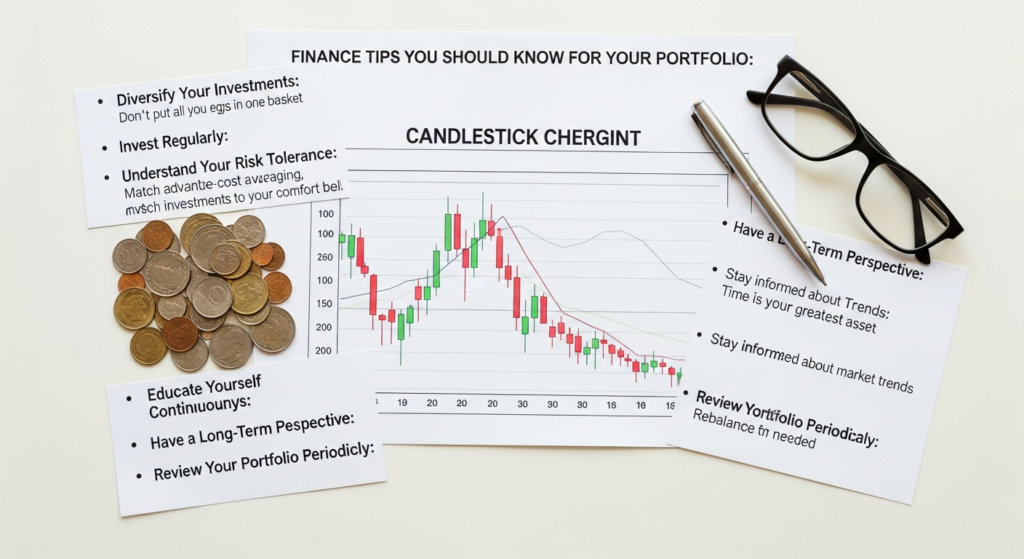
Once your financial house is in order and your goals are clear, the next critical step is to construct your portfolio with an eye towards intelligent diversification and appropriate asset allocation. These two principles are the bedrock of risk management and long-term growth.
Understanding Diversification: Don’t Put All Your Eggs in One Basket
Diversification is the practice of spreading your investments across various assets, industries, and geographical regions to minimize risk. The core idea is that if one investment performs poorly, the others might perform well, offsetting potential losses. A well-diversified portfolio is less susceptible to the volatility of any single asset or market segment.
- Across Asset Classes: Invest in a mix of stocks (equities), bonds (fixed income), real estate, and potentially alternative investments. Each asset class reacts differently to economic conditions.
- Within Asset Classes:
- Stocks: Diversify across different sectors (technology, healthcare, consumer staples), market capitalizations (large-cap, mid-cap, small-cap), and geographies (domestic, international, emerging markets).
- Bonds: Diversify by issuer (government, corporate), credit quality (investment grade, high yield), and maturity dates.
- Through Investment Vehicles: Utilize exchange-traded funds (ETFs) and mutual funds, which inherently offer diversification by holding a basket of securities.
Strategic Asset Allocation: Your Portfolio’s Blueprint
Asset allocation refers to the process of dividing your investment portfolio among different asset categories, such as stocks, bonds, and cash. This decision is perhaps the most significant determinant of your portfolio’s long-term returns and risk level. Your ideal asset allocation will depend heavily on your investment goals, time horizon, and risk tolerance.
- Time Horizon: Generally, younger investors with a longer time horizon until retirement can afford to take on more risk, allocating a higher percentage to stocks, which historically offer higher returns but also higher volatility. As you approach a goal (e.g., retirement), you might gradually shift towards a more conservative allocation with a higher percentage in bonds.
- Risk Tolerance: Aggressive investors might lean towards a higher stock allocation (e.g., 80% stocks, 20% bonds), while conservative investors might prefer a more balanced or bond-heavy approach (e.g., 40% stocks, 60% bonds).
- The “Rule of 110/120”: A common rule of thumb suggests subtracting your age from 110 or 120 to determine the percentage of your portfolio that should be allocated to stocks. For example, a 30-year-old might have 80-90% in stocks. This is a guideline, not a strict rule.
Regularly reviewing and rebalancing your portfolio is also crucial. Over time, market movements can cause your asset allocation to drift from your target. Rebalancing involves selling some of your overperforming assets and buying more of your underperforming ones to restore your desired allocation. This disciplined approach helps you stick to your risk profile and can even force you to “buy low and sell high.”
Strategic Investment Choices and Due Diligence for Your Portfolio
Choosing the Right Investment Vehicles
The market offers a wide array of investment options. Your choices should align with your risk tolerance, time horizon, and whether you prefer active or passive management.
- Exchange-Traded Funds (ETFs): These are funds that hold a basket of assets (stocks, bonds, commodities) and trade like individual stocks on an exchange. They offer instant diversification, often have low expense ratios, and are highly liquid. They are an excellent choice for broad market exposure and can be tailored to specific sectors, geographies, or themes.
- Mutual Funds: Professionally managed funds that pool money from many investors to invest in securities. They offer diversification and professional management but typically have higher expense ratios and are traded once a day after market close.
- Individual Stocks: Investing in individual company stocks offers the potential for higher returns but also carries higher risk. It requires significant research into a company’s financials, industry outlook, and competitive landscape. This is generally suitable for investors who have the time and expertise for detailed analysis.
- Bonds: Debt instruments issued by governments or corporations. They are generally considered less risky than stocks and provide a steady stream of income. Bonds play a crucial role in providing stability and income to a diversified portfolio.
- Real Estate Investment Trusts (REITs): Companies that own, operate, or finance income-producing real estate. They allow investors to gain exposure to real estate without directly owning physical property.
Conducting Thorough Due Diligence
Regardless of the investment vehicle you choose, never invest in something you don’t understand. Due diligence is about researching and understanding the potential risks and rewards of an investment.
- For Individual Stocks: Analyze financial statements (income statement, balance sheet, cash flow statement), evaluate management, understand the business model, competitive advantages, and industry trends.
- For ETFs and Mutual Funds: Examine the fund’s objective, underlying holdings, historical performance, expense ratio, turnover rate, and the fund manager’s track record (for actively managed funds).
- Understand Fees and Expense Ratios: Investment fees, even seemingly small ones, can significantly erode your returns over time. Prioritize low-cost index funds and ETFs. A 1% difference in annual fees can cost you tens or even hundreds of thousands of dollars over a few decades. Always be aware of expense ratios, trading commissions, and any other hidden costs.
Consider the tax implications of your investment choices. Different investment accounts (e.g., taxable brokerage accounts vs. tax-advantaged retirement accounts like 401(k)s and IRAs) have different tax treatments. Understanding capital gains taxes, dividend taxes, and how to use tax-loss harvesting can significantly impact your net returns.
Finally, adopt a long-term perspective. While short-term trading can be tempting, consistent long-term investing, leveraging the power of compounding, is the most reliable path to wealth creation for the majority of retail investors. Avoid making emotional decisions based on short-term market fluctuations.
Managing Your Financial Projects and Protecting Your Assets

Building a robust portfolio isn’t just about selecting investments; it’s also about effectively managing your overall financial life and safeguarding your assets against unforeseen circumstances. This holistic approach ensures your portfolio can thrive even when life throws curveballs.
How to Juggle Multiple Financial Projects Effectively
Many individuals are simultaneously working towards various financial goals: saving for retirement, paying off a mortgage, funding a child’s education, or building an emergency fund. Learning how to juggle multiple financial projects is crucial for maintaining progress without becoming overwhelmed. This often involves:
- Prioritization: Not all goals are equally urgent or important. Create a hierarchy. For most, building an emergency fund and contributing to tax-advantaged retirement accounts (especially if there’s an employer match) should be top priorities.
- Automated Savings: Set up automatic transfers from your checking account to your savings and investment accounts on payday. This “pay yourself first” strategy ensures consistent progress.
- Dedicated Accounts: Create separate savings or investment accounts for different goals. This provides clarity and prevents you from accidentally dipping into funds earmarked for specific projects. For instance, a dedicated 529 plan for education, a separate brokerage account for a down payment, and your 401(k) for retirement.
- Regular Review: Periodically review your progress on each project. Are you on track? Do priorities need to shift? This flexibility is key to adapting to life’s changes.
Why You Should Invest in a Home Protection Plan and Broader Asset Safeguards
While the blog’s focus is typically on investment portfolios, understanding why you should invest in a home protection plan highlights a broader principle: asset protection. Your investment portfolio is just one part of your overall financial picture. Protecting your physical assets, your income, and your health is equally vital to ensure your financial plans aren’t derailed by unexpected events.
- Emergency Fund: This is your first line of defense. A cash reserve covering 3-6 months of essential living expenses prevents you from having to sell investments at an inopportune time to cover emergencies like job loss, medical bills, or major home repairs.
- Insurance:
- Health Insurance: Protects against catastrophic medical costs.
- Life Insurance: Provides financial security for your dependents if you pass away prematurely.
- Disability Insurance: Replaces a portion of your income if you become unable to work due to illness or injury.
- Homeowners/Renters Insurance: Protects your dwelling and personal belongings. A “home protection plan” (often covering appliance repairs, HVAC, etc.) is a specific type of warranty that complements standard homeowners insurance by covering wear and tear issues. While not directly an investment, it protects your home equity and prevents unexpected large expenses from impacting your investment capital.
- Auto Insurance: Mandatory in most places, protects against accident-related costs.
- Legal Protections: Consider wills, trusts, and powers of attorney to ensure your assets are distributed according to your wishes and that someone can manage your affairs if you become incapacitated.
By effectively managing your various financial projects and putting robust protection plans in place, you create a resilient financial ecosystem where your investment portfolio can grow undisturbed, providing the stability and security you need for the future.
Leveraging Technology and Staying Continuously Informed
In the rapidly evolving financial landscape of 2026, technology plays an indispensable role in managing your portfolio, while continuous learning is vital to adapt and make sound decisions. Smart investors harness these tools and cultivate a habit of staying informed.
Harnessing Digital Tools for Personal Finance and Portfolio Management
Just as businesses understand why your company needs digital asset management for efficiency and security, individual investors can greatly benefit from digital tools designed for personal finance and portfolio tracking. These tools streamline financial management, offer insights, and simplify complex tasks.
- Budgeting Apps: Tools like Mint, YNAB (You Need A Budget), or Personal Capital connect to your bank accounts and credit cards, automatically categorizing transactions and providing a clear overview of your spending and savings.
- Portfolio Trackers: Platforms offered by brokerage firms or independent services allow you to track the performance of all your investments in one place, monitor asset allocation, and analyze returns. Some even offer tax-loss harvesting suggestions.
- Robo-Advisors: For those who prefer a hands-off approach, robo-advisors (e.g., Betterment, Wealthfront) use algorithms to build and manage diversified portfolios based on your goals and risk tolerance, often at a lower cost than traditional financial advisors.
- Financial Planning Software: More advanced tools can help you model different financial scenarios, project retirement income, and plan for major life events.
- Investment Research Platforms: Websites like Morningstar, Yahoo Finance, or Seeking Alpha offer in-depth data, news, and analysis on stocks, funds, and economic trends.
These digital resources empower you to take control of your finances, identify trends, and make data-driven decisions without needing to be a financial expert. They reduce the administrative burden, freeing you up to focus on strategy.
The Importance of Continuous Learning and Avoiding Behavioral Biases
The financial markets are dynamic, influenced by economic shifts, technological advancements, and geopolitical events. Staying informed is not a one-time task but an ongoing commitment.
- Read Widely: Follow reputable financial news sources, read books on investing, and subscribe to insightful financial blogs (like Trading Costs!). Understand economic indicators, market cycles, and global events that can impact your portfolio.
- Understand Behavioral Biases: Human psychology often leads to irrational financial decisions. Common biases include:
- Confirmation Bias: Seeking out information that confirms your existing beliefs.
- Herding Mentality: Following the crowd, often at market tops or bottoms.
- Loss Aversion: The tendency to strongly prefer avoiding losses over acquiring equivalent gains, leading to holding onto losing investments too long.
- Overconfidence: Believing you can consistently beat the market.
- Develop a Disciplined Approach: Stick to your investment plan, especially during market volatility. Avoid making impulsive decisions based on fear or greed. A well-defined investment policy statement can serve as a personal constitution for your investing activities.
By embracing technology and committing to lifelong learning, you enhance your ability to make rational, informed decisions, navigate market complexities, and ultimately achieve your long-term financial objectives.
Tax Efficiency and Essential Estate Planning
Maximizing Tax Efficiency in Your Portfolio
Taxes can be one of the largest costs associated with investing. By strategically utilizing tax-advantaged accounts and understanding tax principles, you can significantly boost your net returns over time.
- Tax-Advantaged Retirement Accounts:
- 401(k) / 403(b): Employer-sponsored plans offering pre-tax contributions (reducing current taxable income) and tax-deferred growth. Many include employer matching, which is essentially free money.
- Traditional IRA: Similar to a 401(k), contributions may be tax-deductible, and growth is tax-deferred until withdrawal in retirement.
- Roth IRA / Roth 401(k): Contributions are made with after-tax dollars, but qualified withdrawals in retirement are entirely tax-free. This is particularly valuable for those who expect to be in a higher tax bracket in retirement.
- Health Savings Account (HSA): A triple-tax-advantaged account (tax-deductible contributions, tax-free growth, tax-free withdrawals for qualified medical expenses) available with high-deductible health plans. HSAs can also be used as a stealth retirement account once you reach age 65 for non-medical expenses.
- Capital Gains and Losses: Understand the difference between short-term (assets held for one year or less, taxed at ordinary income rates) and long-term capital gains (assets held for more than one year, taxed at preferential rates). Strategic selling can minimize your tax burden.
- Tax-Loss Harvesting: Selling investments at a loss to offset capital gains and potentially a limited amount of ordinary income. This strategy can be particularly effective in taxable brokerage accounts.
- Location of Assets: Consider placing high-growth or high-dividend investments in tax-advantaged accounts to shield them from annual taxation, and tax-efficient investments (like broad market index funds with low turnover) in taxable accounts.
Essential Estate Planning for Your Legacy
Estate planning isn’t just for the wealthy; it’s for anyone who wants to ensure their assets are distributed as they wish and that their loved ones are provided for. It also ensures someone can manage your affairs if you become incapacitated.
- Wills: A legal document outlining how your assets should be distributed after your death, and who will be the guardian of any minor children.
- Beneficiary Designations: For retirement accounts (401(k), IRA) and life insurance policies, beneficiary designations supersede your will. Ensure these are up-to-date and reflect your current wishes.
- Power of Attorney: Designates someone to make financial and/or medical decisions on your behalf if you are unable to do so.
- Trusts: Can be used for various purposes, such as avoiding probate, providing for minor children, managing assets for beneficiaries with special needs, or minimizing estate taxes for larger estates.
- Letter of Instruction: A non-legal document providing practical guidance to your executor or loved ones, such as where important documents are located, contact information for advisors, and funeral wishes.
While discussing these topics might seem daunting, proactive planning in tax efficiency and estate matters provides peace of mind and ensures your hard-earned wealth benefits those you intend, while minimizing unnecessary costs and complications.
Regular Review, Adaptation, and Staying Disciplined
The journey of portfolio management is not a static one; it’s dynamic and requires ongoing attention. Regular review, adaptation to changing circumstances, and unwavering discipline are the hallmarks of successful long-term investing.
The Dynamic Nature of Financial Planning
Your life is constantly evolving, and so should your financial plan. What was appropriate for your portfolio in your 20s or 30s may not be suitable in your 40s or 50s. Major life events necessitate a re-evaluation of your goals, risk tolerance, and asset allocation.
- Life Milestones: Marriage, the birth of children, buying a home, career changes, divorce, or caring for aging parents all have significant financial implications. Each milestone should trigger a review of your financial plan and portfolio.
- Economic and Market Changes: While you shouldn’t react to every market fluctuation, significant shifts in interest rates, inflation, or the overall economic outlook (e.g., recession vs. boom) might warrant a strategic re-assessment of your portfolio’s positioning.
- Goal Adjustments: As you achieve some goals or new aspirations emerge, your investment strategy might need to pivot. Perhaps you’ve fully funded your emergency savings and now want to accelerate retirement contributions or save for a sabbatical.
Conducting Annual Portfolio Reviews
At a minimum, schedule an annual comprehensive review of your entire financial situation. This is an opportunity to check in on all aspects of your financial health.
- Review Net Worth: Track your progress over the past year. Is it growing as expected?
- Revisit Goals: Are your short, medium, and long-term goals still relevant? Have you made progress towards them?
- Check Asset Allocation: Has market performance caused your portfolio to drift from your target asset allocation? Rebalance if necessary to bring it back in line with your risk tolerance and goals.
- Evaluate Performance: Assess the performance of individual investments, but always within the context of your overall portfolio and market benchmarks. Don’t chase past performance.
- Review Fees: Are you still paying competitive fees for your investments and advisory services?
- Update Beneficiaries: Ensure all beneficiary designations are current.
- Insurance Check-up: Review your insurance coverage (life, disability, home, auto) to ensure it still meets your needs.
- Tax Strategy: Consider any changes in tax law or your personal income that might impact your tax strategy for 2026.
The Power of Discipline and Patience
Perhaps the most challenging, yet crucial, finance tip for your portfolio is to cultivate unwavering discipline and patience. Markets are volatile by nature, experiencing booms and busts, corrections and rallies. Emotional reactions, such as panic selling during a downturn or chasing hot stocks during a boom, are detrimental to long-term wealth accumulation.
- Stick to Your Plan: Develop an investment policy statement and adhere to it. This acts as a guide during turbulent times.
- Automate Investing: Set up regular, automated contributions to your investment accounts. This practices dollar-cost averaging, where you buy more shares when prices are low and fewer when prices are high, smoothing out your average purchase price over time.
- Ignore the Noise: Tune out the sensationalized financial news and focus on your long-term objectives.
- Focus on What You Can Control: You cannot control the market, but you can control your savings rate, your asset allocation, your fees, and your emotional responses.
By consistently reviewing, adapting judiciously, and maintaining an ironclad discipline, you position your portfolio not just to survive market fluctuations but to thrive over decades, ultimately achieving the financial freedom you envision.
Frequently Asked Questions
Recommended Resources
Related reading: Best Tools For Business Communication In 2025 (Kacerr).
Check out How To Become A Better Leader At Work on AssetBar for a deeper dive.