

Understanding Passive Income: More Than Just “Set It and Forget It”
The concept of passive income often conjures images of money magically appearing in your bank account while you sleep or vacation. While this outcome is indeed the ultimate goal, it’s crucial to understand that true passive income typically requires a significant initial investment of either time, money, or both. It’s not about immediate gratification but about building assets or systems that generate ongoing revenue without direct, continuous labor.
Distinguishing passive income from active income is fundamental. Active income is what you earn for direct work performed, such as a salary from a job or hourly wages. If you stop working, the income stops. Passive income, by contrast, continues to flow even when you are not actively engaged in its generation. Think of a rental property generating monthly rent, or royalties from a book you wrote years ago. Online, this principle translates into digital products, automated systems, or investments that yield returns over time.
The initial effort involved in establishing passive income streams can be substantial. For instance, creating an online course demands extensive planning, content creation, and marketing. Building an affiliate marketing website requires consistent content production and SEO optimization. Similarly, setting up an investment portfolio requires research, capital allocation, and ongoing monitoring. However, once these systems are in place, the recurring effort to maintain them is significantly lower than the effort required for active income generation.
The benefits of cultivating passive income are profound. It offers a cushion against economic uncertainties, provides opportunities for early retirement, and grants the freedom to pursue passions without financial constraints. It allows for diversification of income sources, reducing reliance on a single job or client. As the digital economy continues to mature, the opportunities to build these systems online are more accessible than ever, making 2026 a prime year to start exploring and implementing these strategies.
Leveraging Digital Assets and Content Creation for Passive Income
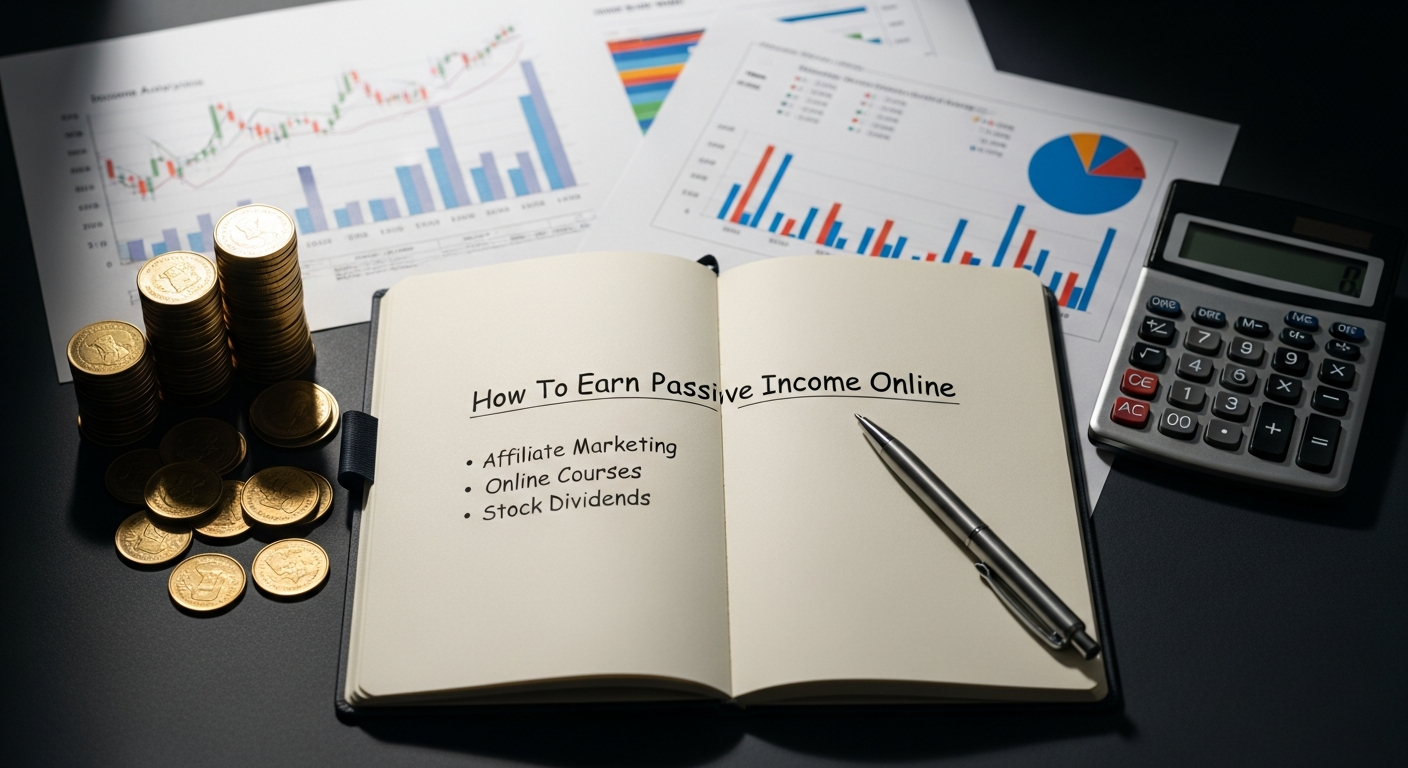
The digital realm offers a fertile ground for creating assets that can generate revenue long after their initial development. Content creation, in particular, stands out as a powerful avenue for building scalable passive income streams.
-
Blogging and Affiliate Marketing:
Creating a blog around a niche you are passionate about or knowledgeable in can become a significant source of passive income. The strategy involves producing high-quality, SEO-optimized content that attracts organic traffic. Once your audience grows, you can monetize your blog through various methods, with affiliate marketing being one of the most popular. This involves partnering with businesses and promoting their products or services. When a reader makes a purchase through your unique affiliate link, you earn a commission. The key to success here lies in building trust with your audience and consistently providing value. The content you create today can continue to attract visitors and generate affiliate commissions for years to come, making it a truly passive endeavor once established.
-
Digital Products (eBooks, Courses, Printables):
If you possess expertise in a particular area, packaging that knowledge into digital products can be incredibly lucrative. E-books, online courses, templates, and printables are all examples of digital assets that can be created once and sold repeatedly with virtually no additional cost of goods. Platforms like Gumroad, Etsy, Teachable, and Thinkific facilitate the creation and sale of these products, handling payment processing and delivery. The initial effort involves content creation, product design, and marketing, but once listed, these products can generate sales around the clock. Marketing can be automated through email sequences, social media campaigns, and SEO, further enhancing the passive nature of this income stream.
-
YouTube and Content Monetization:
For those comfortable in front of a camera or skilled in video editing, YouTube offers a robust platform for passive income. By creating engaging video content on a consistent basis, you can build an audience and monetize your channel through YouTube’s Partner Program (ad revenue). Additionally, you can integrate affiliate links, promote your own digital products, or secure sponsorships. While creating videos is an active process, once a video is published, it can continue to generate views and income for an indefinite period. Older videos, especially evergreen content, can become significant passive income generators over time.
-
Stock Photography and Video:
If you have an eye for photography or videography, you can turn your creative assets into passive income by selling them on stock media platforms. Websites like Shutterstock, Adobe Stock, Getty Images, and Alamy allow photographers and videographers to upload their work and earn royalties each time their images or videos are downloaded. The beauty of this model is that a single photograph or video clip can be sold hundreds or thousands of times, generating a continuous stream of income from an asset created just once. Building a substantial portfolio requires effort, but the long-term passive returns can be very rewarding.
Investing for Passive Income: Traditional and Modern Approaches
-
Dividend Stocks:
Investing in dividend-paying stocks is a cornerstone strategy for passive income. These are shares of companies that regularly distribute a portion of their earnings to shareholders in the form of dividends. By building a portfolio of strong, dividend-paying companies, investors can receive regular income payments, often quarterly, simply for owning the shares. Reinvesting these dividends can compound returns over time, accelerating wealth growth. Researching companies with a history of consistent dividend payments and strong financial health is crucial for a stable income stream. Many brokerage platforms now offer fractional share investing, allowing you to buy small portions of expensive stocks and begin investing with very little money.
-
Real Estate Investment Trusts (REITs) and Crowdfunding:
Direct real estate ownership can be capital-intensive and management-heavy. However, REITs offer a way to invest in real estate passively. REITs are companies that own, operate, or finance income-producing real estate across various property sectors. They trade on major stock exchanges, similar to stocks, and are required by law to distribute at least 90% of their taxable income to shareholders annually, typically as dividends. This makes them an excellent vehicle for passive real estate income. For those looking for more direct exposure without full ownership, real estate crowdfunding platforms allow investors to pool money to invest in larger real estate projects, earning returns from rental income or property appreciation. This is another excellent option for those exploring How To Start Investing Little Money 2026 in real estate, as minimum investments can be significantly lower than direct property purchase.
-
Peer-to-Peer (P2P) Lending:
P2P lending platforms connect individuals or small businesses seeking loans with investors willing to provide the capital. As an investor, you can lend money to multiple borrowers and earn interest on your principal. While this can offer attractive returns, it also carries risks, including borrower default. Diversifying your investments across many different loans is a common strategy to mitigate this risk. Platforms often allow for small investment increments, making it accessible for individuals starting with limited capital.
-
Bonds:
Bonds represent a loan made by an investor to a borrower (typically a corporation or government entity). In return for the loan, the borrower promises to pay interest over a specified period and repay the principal amount at maturity. Bonds are generally considered less volatile than stocks and can provide a steady stream of interest payments, making them a reliable source of passive income, particularly for conservative investors or those nearing retirement. Government bonds (like Treasury bonds) are considered very safe, while corporate bonds offer potentially higher yields but come with greater risk.
Exploring Advanced Investment Strategies for Enhanced Passive Returns
Beyond traditional investing, several more sophisticated strategies can generate significant passive income, though they often come with increased complexity and risk. These approaches demand a deeper understanding of financial markets and careful risk management.
-
Options Trading for Income (e.g., Covered Calls, Cash-Secured Puts):
While options trading is often associated with high-risk speculation, certain strategies can be employed to generate consistent passive income. For those seeking an Options Trading Beginners Guide, it’s crucial to understand that these strategies involve selling options contracts to collect premiums. A common income-generating strategy is the covered call, where an investor who owns shares of a stock sells call options on those shares. They collect the premium upfront, and if the stock price stays below the strike price, the options expire worthless, and the investor keeps the premium while continuing to own the stock. Another strategy is selling cash-secured puts, where an investor agrees to buy a stock at a certain price (the strike price) by a certain date. They receive a premium for this agreement. If the stock price remains above the strike price, they keep the premium and don’t have to buy the stock. If it falls below, they buy the stock at a discount (effectively reducing their cost basis by the premium received).
These strategies require a thorough understanding of options mechanics, market dynamics, and robust risk management. It’s imperative for beginners to start with a solid educational foundation, perhaps through a comprehensive Options Trading Beginners Guide, and practice with paper trading before committing real capital. The goal is to generate consistent income from premiums while managing the potential obligations and risks associated with options contracts.
-
Cryptocurrency Staking and Lending:
The burgeoning world of cryptocurrency offers novel ways to earn passive income. Staking involves locking up your crypto assets in a blockchain network to support its operations and validate transactions, in return for rewards. This is prevalent in Proof-of-Stake (PoS) blockchains. The amount of rewards can vary significantly based on the cryptocurrency, network demand, and the amount staked. Similarly, crypto lending platforms allow you to lend out your digital assets to borrowers and earn interest. This can be done through centralized platforms or decentralized finance (DeFi) protocols. While staking and lending can offer attractive yields, they come with risks, including smart contract vulnerabilities, platform hacks, and the inherent volatility of cryptocurrency prices. Due diligence and understanding the specific risks of each platform or protocol are paramount.
-
Automated Trading and Bots:
For advanced users with programming skills or access to reputable platforms, automated trading systems (bots) can execute trades based on pre-set algorithms and strategies. These bots can identify opportunities and perform trades 24/7, potentially generating profits without constant manual intervention. While the idea of a bot tirelessly working for you is appealing, developing or selecting a successful bot requires significant expertise in trading, programming, and market analysis. Bots can also malfunction or perform poorly in unexpected market conditions, leading to substantial losses. This is a high-risk, high-reward strategy that is best approached with extreme caution and a deep understanding of the underlying principles.
Building and Monetizing Online Businesses for Scalable Passive Income
While some online businesses may seem to demand constant attention, many can be structured and automated to generate increasingly passive income over time. The key lies in building robust systems and leveraging technology to handle operations.
-
Dropshipping/E-commerce with Automation:
Dropshipping involves selling products online without holding any inventory yourself. When a customer places an order, you purchase the item from a third-party supplier who then ships it directly to the customer. While dropshipping can be active in its initial setup and customer service, many aspects can be automated. Order fulfillment can be integrated with suppliers, marketing can be handled through automated ad campaigns, and customer service can be streamlined with chatbots and FAQs. The goal is to set up a system that requires minimal daily oversight, allowing for scalable passive income once the product-market fit and operational flows are optimized.
-
SaaS (Software as a Service):
Developing a Software as a Service product can be one of the most rewarding forms of passive income, albeit with a high initial investment of time and resources. SaaS products are typically subscription-based, meaning customers pay a recurring fee (monthly or annually) to use the software. Once the software is built and launched, customer acquisition and retention become the primary focus. With automated onboarding, self-service support, and continuous product improvement, a SaaS business can generate very high-margin, recurring revenue. Examples range from project management tools to niche-specific applications. The scalability is immense, as the same software can serve thousands or millions of users without proportional increases in operational costs.
-
Membership Sites/Patreon:
If you have unique expertise, exclusive content, or a strong community, a membership site or a Patreon account can provide a stable, recurring passive income stream. Members pay a regular fee to access premium content, private forums, exclusive resources, or direct interaction with you. While creating new content or engaging with the community requires some active effort, the revenue model is inherently passive once members sign up. The focus shifts to retaining members and attracting new ones through valuable offerings. This model thrives on building a loyal audience who values your contributions.
-
App Development (Ads, In-App Purchases, Subscriptions):
For those with coding skills, developing mobile applications can lead to significant passive income. Once an app is developed and launched on app stores (Apple App Store, Google Play Store), it can generate income through various monetization strategies: in-app advertisements, one-time in-app purchases (e.g., unlocking features, virtual goods), or recurring subscriptions for premium access. The initial development is active and demanding, but once the app is stable and has a user base, maintenance and updates are typically less frequent. A successful app can generate revenue for years without constant development effort, especially if it addresses a persistent need or provides enduring entertainment.
Essential Tools and Mindset for Passive Income Success in 2026
Embarking on the journey to earn passive income online requires more than just knowing the strategies; it demands the right tools, a disciplined mindset, and a commitment to continuous learning. As we look towards 2026, leveraging technology and fostering a resilient approach will be critical.
-
Financial Planning and Budgeting:
Before you can invest in or build passive income streams, you need to understand your current financial situation. Effective budgeting is paramount for freeing up capital, whether it’s for investing in stocks, developing a digital product, or funding an online business. Utilizing the Best Money Apps Budgeting 2026 can significantly streamline this process. Look for apps that offer features like automated expense tracking, categorization, goal setting, and detailed financial reports. Many popular apps provide real-time insights into your spending habits, helping you identify areas where you can save and reallocate funds towards your passive income goals. Personal finance software can also help you track your investments and monitor the performance of your passive income assets, ensuring you stay on track with your financial objectives.
-
Time Management and Automation:
Even passive income streams require an initial investment of time and ongoing occasional maintenance. Efficient time management is crucial for balancing your current commitments with building new income sources. Tools for task management, calendar scheduling, and project organization can help you stay productive. Furthermore, embracing automation is key to making income truly passive. This includes automating social media posts, email marketing sequences, customer support responses, and even investment rebalancing. The more you can automate, the less active effort will be required, moving your income closer to the “passive” ideal.
-
Continuous Learning and Adaptability:
The online world, and especially the financial markets, are constantly evolving. What works today might not be as effective tomorrow. A successful passive income earner in 2026 will be someone who is committed to continuous learning. This means staying updated on market trends, new technologies, changes in algorithms (for content creators), and emerging investment opportunities. Regularly reading industry blogs (like Trading Costs!), taking online courses, and networking with other entrepreneurs and investors will be invaluable. Adaptability is equally important—being willing to pivot strategies, optimize existing systems, and embrace new tools will ensure the longevity and growth of your passive income streams.
-
Patience and Persistence:
Passive income is rarely an overnight phenomenon. It requires patience to build, market, and optimize your assets or investments. There will be challenges, setbacks, and periods of slow growth. Persistence in the face of these obstacles is critical. Understand that the initial effort is an investment in your future financial freedom. Celebrating small victories, learning from failures, and maintaining a long-term perspective will help you stay motivated and ultimately achieve your passive income goals.
-
Risk Management:
Every passive income strategy, especially those involving investments or online businesses, carries inherent risks. From market volatility and technological failures to regulatory changes and economic downturns, understanding and managing these risks is paramount. Diversification across multiple income streams and asset classes is a fundamental risk management strategy. Never invest more than you can afford to lose, and always conduct thorough due diligence before committing time or capital to any new venture. A prudent approach to risk will protect your capital and ensure the sustainability of your passive income journey.
Frequently Asked Questions
Recommended Resources
For more on how to earn, see How To Negotiate A Salary Raise Successfully on Kacerr.
Check out How To Optimize Product Listings On Amazon on E-ComProfits for a deeper dive.