How to Invest in Farmland in 2026: A Data-Driven Guide for Smart Investors
In an investment landscape increasingly characterized by volatility and uncertainty, tangible assets like farmland continue to attract sophisticated individual investors. Farmland offers a compelling combination of inflation protection, stable income generation, and capital appreciation, making it a strategic addition to a diversified portfolio. For 2026 and beyond, understanding the specific mechanisms, risks, and opportunities in this unique asset class is paramount. This comprehensive guide from Trading Costs will cut through the hype, providing a data-driven, practical roadmap for cultivating wealth through farmland investment.
Why Farmland Now? The Investment Thesis for 2026
The appeal of farmland as an investment is rooted in fundamental economic principles and long-term global trends. Unlike speculative assets, farmland derives its value from a finite resource – arable land – and its ability to produce essential goods. For 2026, several factors converge to strengthen the investment thesis:
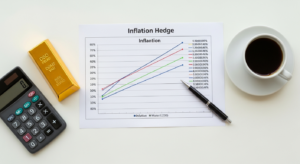
* Inflation Hedge: Farmland has historically demonstrated a strong ability to hedge against inflation. As the cost of living rises, so too do commodity prices for agricultural products, which can translate into higher rental income and land values. Data from the NCREIF Farmland Index, which tracks institutional-grade farmland, consistently shows positive correlation with CPI over extended periods, making it a robust safeguard against purchasing power erosion.
* Stable, Uncorrelated Returns: Farmland returns often exhibit low correlation with traditional asset classes like stocks and bonds. This diversification benefit is crucial for portfolio stability, particularly in periods of market turbulence. While specific returns vary by region and crop type, the NCREIF Farmland Index has shown average annual returns often in the high single digits over the past few decades, combining income from leases and capital appreciation. For instance, over a 20-year period ending recently, the index has often delivered average annualized returns exceeding 10%, outperforming many other real estate sectors and even the S&P 500 during certain cycles.
* Global Population Growth and Food Demand: The world’s population is projected to continue growing, reaching nearly 10 billion by 2050. This demographic trend ensures sustained, increasing demand for food, fiber, and fuel, underpinning the long-term value of productive agricultural land.
* Scarcity of Arable Land: Arable land is a finite resource, and its availability is shrinking due to urbanization, desertification, and other environmental factors. This increasing scarcity, coupled with rising demand, creates a powerful supply-demand dynamic that supports land values.
* Sustainability and Climate Resilience: Modern agricultural practices are increasingly focused on sustainability and climate resilience. Investing in farms that adopt these practices can not only yield better long-term returns but also align with growing investor demand for ESG-compliant assets. Innovations in precision agriculture, water management, and soil health contribute to higher yields and reduced operational risks.
The investment in farmland is not merely about owning dirt; it’s about investing in the future of food production and a tangible asset with a proven track record of resilience and value appreciation.
Understanding Farmland Investment Vehicles
Individual investors have several avenues to gain exposure to farmland, each with distinct capital requirements, liquidity profiles, and management responsibilities. Choosing the right vehicle depends on your financial capacity, desired level of involvement, and investment objectives.
1. Direct Farmland Ownership
This is the most traditional approach, involving the outright purchase of a physical farm property.
* Pros: Complete control over the asset, potential for significant capital appreciation, direct income from farming operations or leases, potential for personal use or legacy building.
* Cons: High capital requirement (often millions of dollars), illiquidity, significant management responsibilities (finding tenants, overseeing operations, maintenance, property taxes), geographic limitations, high transaction costs.
* Suitability: High-net-worth individuals or family offices with substantial capital, a long-term investment horizon, and a willingness to actively manage or oversee the asset.
2. Farmland Real Estate Investment Trusts (REITs)
Farmland REITs are publicly traded companies that own and manage portfolios of agricultural land. They generate revenue primarily through leasing their land to farmers.
* Pros: High liquidity (can buy/sell shares on stock exchanges), lower capital entry point (shares can be purchased for hundreds or thousands of dollars), diversification across multiple properties and regions, no direct management responsibility, potential for regular dividend income.
* Cons: Market volatility (share prices can fluctuate with the broader stock market, sometimes decoupling from underlying land values), less direct control, subject to REIT-specific regulations and fees, potential for lower capital appreciation compared to direct ownership if the market undervalues the REIT.
* Suitability: Investors seeking passive exposure to farmland with high liquidity and a lower entry barrier, willing to accept stock market volatility. Examples include Gladstone Land Corporation (LAND) and Farmland Partners Inc. (FPI).
3. Farmland Crowdfunding and Fractional Ownership Platforms
These platforms allow multiple investors to pool capital to purchase a share of a specific farm property.
* Pros: Significantly lower entry point (often starting from $10,000 to $50,000), access to institutional-grade properties, professional management handled by the platform, diversification across multiple properties, potential for both income and appreciation.
* Cons: Illiquidity (secondary markets are still developing), platform fees, reliance on the platform’s due diligence and management expertise, still relatively new and evolving market.
* Suitability: Investors with moderate capital seeking diversified, professionally managed farmland exposure without the burden of direct ownership, willing to accept some liquidity constraints. Popular platforms include AcreTrader and FarmTogether.
4. Private Farmland Funds
These are investment funds managed by professional asset managers that acquire and operate portfolios of farmland on behalf of investors.
* Pros: Access to institutional-grade portfolios, professional management and agricultural expertise, potential for diversification across regions and crop types, often target higher returns through active management.
* Cons: High minimum investment (typically $250,000 to millions), illiquidity (long lock-up periods, often 5-10 years), management fees and carried interest, less transparency than publicly traded REITs.
* Suitability: Accredited investors and institutions seeking significant, diversified, professionally managed exposure to farmland, comfortable with long-term capital commitment and illiquidity.
Direct Farmland Ownership: A Deep Dive into Acquisition and Management
For those considering direct ownership, the path requires meticulous planning and due diligence. This isn’t a passive investment; it demands active engagement.
Step-by-Step Acquisition Process:
1. Define Your Investment Thesis: Determine your objectives. Are you seeking primarily cash flow from row crops (corn, soybeans) or higher appreciation potential from permanent crops (almonds, vineyards)? What geographical regions offer the best risk-adjusted returns for your chosen crop type?
2. Market Research and Location Scouting: Utilize resources like USDA National Agricultural Statistics Service (NASS) reports, local university extension offices, and specialized farmland real estate brokers. Analyze soil quality, water rights, historical yields, commodity prices, and local infrastructure. Understand regional cap rates – the ratio of net operating income to property value. For prime row crop land, cap rates might range from 2.5% to 4.5% currently, varying significantly by region and specific farm characteristics.
3. Engage a Specialized Broker: Farmland transactions are complex. A broker with deep local expertise in agricultural land is invaluable for identifying properties, understanding local market dynamics, and navigating regulations.
4. Due Diligence:
* Financials: Review historical income statements, lease agreements (if applicable), property taxes, and operating expenses.
* Environmental: Conduct Phase I environmental site assessments. Investigate water rights (critical in many regions), soil quality tests, and potential environmental liabilities.
* Legal: Verify clear title, easements, zoning restrictions, and any existing agricultural liens.
* Physical Inspection: Walk the land with an experienced agronomist or farmer. Assess irrigation systems, drainage, fencing, and any existing infrastructure.
5. Financing: Farmland financing typically involves specialized agricultural lenders, local banks, or the Farm Credit System. Expect down payments of 20-40%. Interest rates will depend on market conditions and your creditworthiness.
6. Offer and Closing: Work with your broker and legal counsel to draft a purchase agreement that protects your interests, addresses contingencies, and clearly outlines terms.
Management Considerations:
Once acquired, direct ownership necessitates active management:
* Tenant Management: If you plan to lease the land, finding a reliable, experienced farmer is crucial. Lease agreements can be cash rent (fixed payment) or crop-share (percentage of harvest). Cash rents offer more stability, while crop-share offers upside potential but more risk from commodity price fluctuations. Cash rents for high-quality farmland can range from $200-$500+ per acre annually, depending on location and productivity.
* Property Maintenance: Regular maintenance of irrigation systems, fences, barns, and other infrastructure is essential to preserve value and ensure productivity.
* Tax Management: Understand property taxes, potential agricultural exemptions, and capital gains implications. Consult with a tax specialist experienced in agricultural real estate.
* Environmental Stewardship: Implement sustainable farming practices, monitor soil health, and ensure compliance with environmental regulations. This protects your asset and can enhance its long-term value.
Indirect Farmland Investment Strategies: Accessibility and Diversification
For most individual investors, indirect methods offer a more accessible and often diversified entry point into farmland.
Farmland REITs: Publicly Traded Options
Investing in farmland REITs is as straightforward as buying stocks through a brokerage account. Key considerations include:
* Evaluating REITs: Analyze the REIT’s portfolio composition (crop types, geographic diversification), management team’s experience, dividend history and yield, balance sheet health, and growth strategy. Look at metrics like Funds From Operations (FFO) per share.
* Market Volatility: Be aware that REIT share prices can fluctuate with broader market sentiment, even if the underlying land values are more stable.
* Dividend Income: REITs are legally required to distribute at least 90% of their taxable income to shareholders annually, making them attractive for income-focused investors. Current dividend yields for farmland REITs typically range from 2-4%.
Crowdfunding and Fractional Ownership Platforms: Democratizing Access
These platforms have revolutionized access to farmland for smaller investors. Here’s how to approach them:
* Platform Due Diligence: Research the platform’s track record, fees (acquisition, management, disposition), investment vetting process, and liquidity options. Understand how they source and manage properties.
* Property Selection: Each offering on these platforms will detail the specific farm, crop type, lease structure, projected returns (cash yield and appreciation), and investment horizon. Diversify across multiple properties, crop types (e.g., permanent crops like almonds vs. row crops like corn), and geographies to mitigate risk.
* Understand Projected Returns: Platforms typically provide projected cash yields (e.g., 3-6% annually) and internal rates of return (IRR, often 7-12% over a 5-10 year hold period). Understand the assumptions behind these projections.
* Illiquidity: While some platforms are developing secondary markets, expect your capital to be locked up for the stated investment term, typically 5-10 years.
Private Farmland Funds: Institutional-Grade Access
While requiring substantial capital, private funds offer a professionally managed, diversified approach for accredited investors.
* Fund Manager Selection: Evaluate the fund manager’s experience, investment strategy, historical performance, and fee structure. Look for managers with a proven track record in agricultural asset management.
* Investment Strategy: Understand the fund’s focus (e.g., specific crop types, value-add strategies, geographic concentration).
* Risk Profile: Assess the fund’s leverage, diversification, and exposure to specific market risks.
* Fees: Be aware of management fees (typically 1-2% of AUM) and carried interest (e.g., 10-20% of profits above a hurdle rate).
Key Metrics and Due Diligence for Farmland Investors
Regardless of the investment vehicle, a robust analytical framework is essential.
* Cash Yield: This is the annual net income from the farm (rent or farming profit minus expenses) divided by the property’s value. For row crops, typical cash yields might be 2-4%, while permanent crops can sometimes offer higher yields but with more volatility.
* Capital Appreciation: The increase in the land’s value over time. Historical appreciation for high-quality farmland has often outpaced inflation.
* Total Return (ROI/IRR): Combines cash yield and capital appreciation. For direct ownership or fractional platforms, Internal Rate of Return (IRR) is a common metric, considering the time value of money.
* Soil Quality and Productivity: Use USDA soil maps (Web Soil Survey) and historical yield data. Better soil typically means higher productivity and value.
* Water Rights and Availability: Critical in many agricultural regions. Understand the seniority and reliability of water rights associated with the property.
* Climate Risk Assessment: Evaluate the farm’s vulnerability to extreme weather events, drought, and changing climate patterns. Diversification across different climate zones can mitigate this.
* Commodity Price Volatility: For farms directly involved in crop production or crop-share leases, commodity price swings can impact income. Analyze historical price trends for the relevant crops.
* Lease Terms and Tenant Quality: For leased properties, scrutinize lease agreements for fairness, duration, and escalation clauses. Research tenant history and financial stability.
* Local Market Dynamics: Understand local demographics, infrastructure, and any development pressures that could impact land values.
Tools and Resources:
* USDA National Agricultural Statistics Service (NASS): Provides vast data on crop production, land values, and farm economics.
* University Extension Services: Local agricultural universities offer research, expertise, and resources specific to their region.
* Land Grant Universities: Often have dedicated departments for agricultural economics and land management.
* Specialized Farmland Brokers: Crucial for market insights and property sourcing.
* Farmland Indices: NCREIF Farmland Index is the gold standard for institutional performance tracking.
Risks and Mitigation Strategies in Farmland Investment
While farmland offers compelling advantages, it is not without risks. A prudent investor acknowledges and plans for these.
* Climate and Weather Risk: Droughts, floods, extreme temperatures, and other adverse weather events can severely impact crop yields and farm income.
* Mitigation: Diversify across different geographies and climate zones. Invest in farms with robust irrigation systems and water rights. Consider crop insurance.
* Commodity Price Volatility: Prices for agricultural products can fluctuate significantly due to global supply and demand, geopolitical events, and trade policies.
* Mitigation: Diversify crop types. Utilize cash rent leases for more predictable income. For direct operations, consider hedging strategies (futures/options).
* Tenant Risk: Poor tenant management, financial instability of tenants, or disputes can disrupt income.
* Mitigation: Thoroughly vet tenants. Implement clear, comprehensive lease agreements. Maintain open communication and regular property inspections.
* Liquidity Risk: Direct farmland and fractional ownership can be illiquid assets, meaning they can be difficult and time-consuming to sell quickly without a significant discount.
* Mitigation: Maintain a long-term investment horizon (5-10+ years). Ensure your overall portfolio has sufficient liquid assets.
* Regulatory and Environmental Risk: Changes in agricultural policy, environmental regulations (e.g., water usage, pesticide restrictions), or land use zoning can impact profitability and value.
* Mitigation: Stay informed about relevant policies. Conduct thorough environmental due diligence. Diversify across regions to minimize exposure to specific local regulatory changes.
* Pest and Disease Outbreaks: Can devastate crops and livestock, leading to significant financial losses.
* Mitigation: Invest in farms with good pest management practices. Diversify crop types. Ensure adequate insurance coverage.
FAQ: Investing in Farmland
Q: Is farmland a good investment for 2026?
A: Farmland presents a compelling investment case for 2026 due to its proven ability to act as an inflation hedge, generate stable income, and offer diversification from traditional asset classes. Global population growth, increasing food demand, and the scarcity of arable land underpin its long-term value. However, like any investment, returns are not guaranteed and depend on market conditions, location, and management.
Q: What are the typical returns on farmland?
A: Historical data, such as the NCREIF Farmland Index, shows that institutional-grade farmland has often delivered average annual returns in the high single digits or low double digits over multi-decade periods, combining income from leases and capital appreciation. Cash yields (net income relative to value) for row crops typically range from 2% to 4%, while total returns (including appreciation) can be significantly higher, often in the 7-12% range for well-managed properties over the long term.
Q: How much capital do I need to invest in farmland?
A: The capital required varies significantly by investment vehicle. Direct ownership often requires millions of dollars. Farmland REITs can be accessed with hundreds or thousands of dollars (the cost of individual shares). Crowdfunding and fractional ownership platforms typically have minimums ranging from $10,000 to $50,000. Private farmland funds usually require minimum investments of $250,000 or more for accredited investors.
Q: What are the tax implications of farmland investment?
A: Tax implications depend on your investment vehicle and individual circumstances. For direct ownership, income from leases is generally taxable, and you may be eligible for deductions for operating expenses, depreciation, and property taxes. Capital gains tax applies upon sale. REIT dividends are often taxed as ordinary income. For fractional ownership, income and capital gains flow through to investors. It’s crucial to consult with a tax advisor experienced in real estate and agricultural investments.
Q: How liquid is a farmland investment?
A: Farmland is generally considered an illiquid asset. Direct farmland sales can take months or even longer. Fractional ownership platforms are also largely illiquid, though some are developing secondary markets. Farmland REITs, being publicly traded, offer the highest liquidity as shares can be bought and sold on stock exchanges daily. Private farmland funds typically have long lock-up periods, often 5-10 years.
Conclusion: Cultivating Your Farmland Portfolio
Farmland investment in 2026 offers a compelling blend of stability, inflation protection, and long-term growth potential. Whether through direct ownership, publicly traded REITs, accessible crowdfunding platforms, or institutional private funds, the asset class provides a tangible hedge against economic volatility and a direct link to essential global demand.
Success in farmland investing, much like successful farming, hinges on thorough preparation, diligent management, and a long-term perspective. By leveraging data-backed insights, understanding the nuances of each investment vehicle, and conducting comprehensive due diligence on specific opportunities, individual investors can strategically cultivate a robust farmland portfolio. The future of food security is a powerful underlying trend, and smart investors have the opportunity to participate in its enduring value.