Investing in Commodities: A Guide to Gold, Oil, and Other Raw Materials
What Are Commodities and Why Invest in Them?
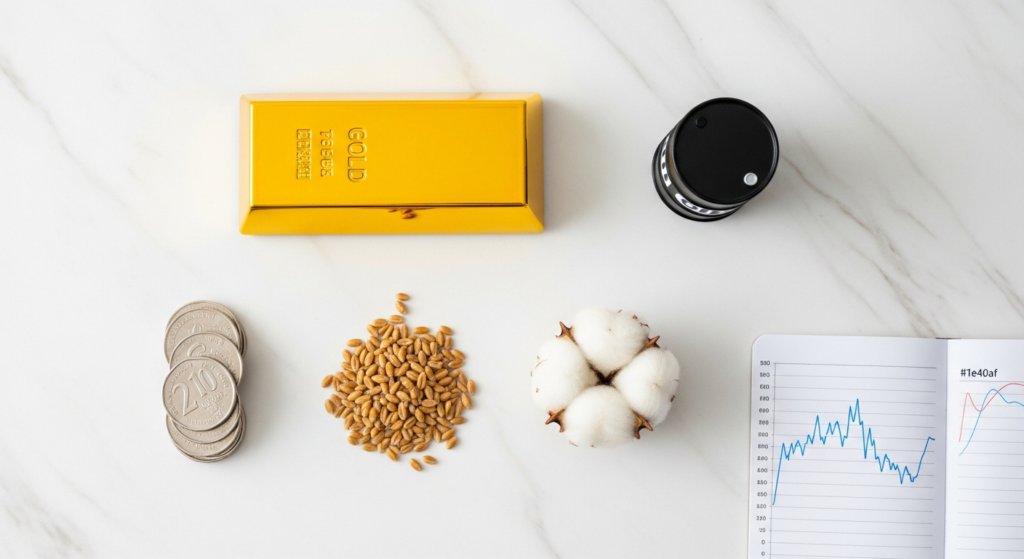
At its core, a commodity is a basic raw material used in commerce that is interchangeable with other commodities of the same type. They are the building blocks of virtually every product and service in the global economy. Think of crude oil fuelling transportation, gold adorning jewelry and circuits, or wheat feeding populations. These raw materials are categorized into several broad groups:
- Energy Commodities: Crude oil (Brent, WTI), natural gas, gasoline, heating oil. These are driven by global economic activity, geopolitical stability, and weather patterns.
- Metals:
- Precious Metals: Gold, silver, platinum, palladium. Often seen as safe-haven assets, hedges against inflation, and stores of value.
- Industrial Metals: Copper, aluminum, zinc, nickel. Their prices are highly sensitive to industrial demand and global economic growth.
- Agricultural Commodities:
- Grains: Corn, wheat, soybeans, rice. Influenced by weather, planting seasons, and global food demand.
- Softs: Coffee, sugar, cocoa, cotton, orange juice. Often subject to specific regional weather events and consumer tastes.
- Livestock: Live cattle, lean hogs. Affected by feed prices, consumer demand for meat, and disease.
So, why would an investor consider allocating capital to these raw materials? The reasons are multifaceted and often align with strategic portfolio goals:
- Diversification: Commodities often have a low correlation with traditional asset classes like stocks and bonds. This means that when stocks or bonds are underperforming, commodities might be performing well, thus potentially reducing overall portfolio volatility. For example, during periods of economic uncertainty, gold often acts as a safe haven, while equity markets may decline.
- Inflation Hedge: One of the most compelling reasons for commodities investing is their historical ability to act as a hedge against inflation. When the cost of goods and services rises, the price of the raw materials used to produce them often rises too. If inflation erodes the purchasing power of cash or fixed-income investments, commodities can help preserve wealth.
- Potential for Capital Appreciation: Strong demand, coupled with constrained supply, or geopolitical events can lead to significant price appreciation in commodities. For instance, a booming global economy can drive up demand for industrial metals, while a conflict in an oil-producing region can send crude prices soaring.
- Supply and Demand Dynamics: Commodity markets are highly sensitive to the fundamental forces of supply and demand. Understanding these dynamics offers unique analytical opportunities that differ from analyzing company financials. A drought could decimate a wheat crop, for example, dramatically impacting prices.
Practical Tip: Before diving into specific commodities, understand the unique characteristics and market drivers of each major group. Energy and agricultural commodities are highly sensitive to weather, while precious metals respond more to economic uncertainty and monetary policy. This foundational knowledge is crucial for informed decision-making.
Understanding the Drivers of Commodity Prices
Unlike publicly traded companies where earnings reports, management changes, or new product launches can dictate stock prices, commodity prices are swayed by a distinct set of global forces. Understanding these drivers is paramount for any investor engaged in commodities investing.
- Global Supply and Demand: This is the most fundamental driver. An increase in global economic activity typically translates to higher demand for raw materials like oil, copper, and iron ore. Conversely, a slowdown can depress demand and prices. On the supply side, factors such as new discoveries (e.g., shale oil), technological advancements (e.g., improved mining techniques), or production cuts (e.g., OPEC+ decisions on oil) can significantly impact availability and, consequently, prices. For example, in March 2020, during the initial phase of the COVID-19 pandemic, global demand for oil plummeted due to lockdowns, sending crude oil futures prices briefly into negative territory – an unprecedented event driven purely by a massive supply/demand imbalance.
- Inflation Expectations: As mentioned, commodities are often seen as a hedge against inflation. When investors anticipate rising prices for goods and services, they tend to move into real assets like commodities, driving their prices up. This is because commodities represent the raw inputs whose costs are directly tied to inflation.
- Currency Fluctuations: The U.S. dollar plays a significant role in commodity pricing because many key commodities, such as crude oil and gold, are denominated in dollars. A stronger U.S. dollar makes dollar-denominated commodities more expensive for buyers using other currencies, potentially dampening demand and pushing prices down. Conversely, a weaker dollar makes them cheaper, often leading to increased demand and higher prices.
- Interest Rates: Higher interest rates can increase the cost of holding commodities (storage costs, financing costs for large inventories), making them less attractive to speculative investors. They can also strengthen the dollar, which, as noted, can put downward pressure on commodity prices.
- Geopolitical Events: Instability in key producing regions can severely impact supply. Conflicts in the Middle East frequently cause spikes in crude oil prices, while trade disputes between major economies can affect demand for industrial metals or agricultural products. For instance, the Russian invasion of Ukraine in early 2022 caused significant disruptions in global grain and energy markets, sending prices for wheat, natural gas, and oil soaring due to concerns about supply chain integrity and availability.
- Weather Patterns: Agricultural commodities are exceptionally vulnerable to weather. Droughts, floods, and severe storms in major growing regions can devastate crops, reducing supply and driving up prices. Conversely, unusually favorable weather can lead to bumper harvests and lower prices.
- Technological Advancements: New technologies can both increase supply (e.g., fracking for oil and gas) and decrease demand (e.g., renewable energy reducing reliance on fossil fuels).
Practical Tip: To effectively navigate commodity markets, maintain a vigilant eye on global macroeconomic reports, central bank policies, geopolitical developments, and even long-range weather forecasts. Subscribing to reputable financial news sources and analyst reports focused on specific commodity sectors can provide invaluable insights.
Popular Commodity Investment Options: Gold, Oil, and Beyond
When considering commodities investing, understanding the various ways to gain exposure is crucial. The choices range from direct ownership to more accessible financial instruments, each with its own risk profile and suitability for different types of investors.
Gold: The Timeless Safe Haven
Gold has captivated humanity for millennia, serving as both currency and a store of value. It’s often referred to as a “safe-haven asset,” meaning its price tends to rise during times of economic uncertainty, geopolitical turmoil, or inflationary pressures, when investors seek refuge from volatile equity markets. Its appeal stems from its finite supply, historical significance, and lack of counterparty risk.
- How to Invest:
- Physical Gold: Bars, coins (e.g., American Eagles, Canadian Maples). Offers direct ownership and no counterparty risk but involves storage, insurance costs, and potentially lower liquidity.
- Gold Exchange-Traded Funds (ETFs): Such as SPDR Gold Shares (GLD) or iShares Gold Trust (IAU). These funds typically hold physical gold bullion, offering convenient, liquid exposure without the hassle of storage. They are ideal for most retail investors. For a deeper dive, explore our Guide to Gold ETFs.
- Gold Mining Stocks: Investing in companies that extract gold (e.g., Barrick Gold, Newmont). These offer equity exposure and can provide dividends, but their performance is also influenced by company-specific factors (management, costs, reserves) in addition to gold prices.
- Gold Futures Contracts: For experienced traders, offering leveraged exposure but with significant risk.
Oil (Crude Oil & Natural Gas): The Energy Backbone
Crude oil and natural gas are critical energy sources, powering transportation, industry, and homes worldwide. Their prices are highly volatile, driven by global economic growth, geopolitical events, OPEC+ decisions, inventory levels, and even hurricane seasons impacting drilling platforms. To learn more about the forces at play, see our article on Understanding Energy Markets.
- How to Invest:
- Oil ETFs: Funds like the United States Oil Fund (USO) track crude oil futures contracts. While convenient, investors should understand the complexities of futures-based ETFs, particularly issues like contango and backwardation which can affect long-term returns.
- Energy Company Stocks: Investing in integrated oil and gas companies (e.g., ExxonMobil, Chevron), exploration and production (E&P) companies, or oilfield service providers. These offer equity exposure to the energy sector, often with dividends, but carry company-specific risks.
- Oil Futures Contracts: Direct trading of futures is highly speculative and best left to professional traders due to leverage and margin requirements.
Silver: Gold’s Industrial Cousin
Silver shares many characteristics with gold as a precious metal and a safe haven, but it also has significant industrial demand (electronics, solar panels, medical applications). This dual role often makes silver more volatile than gold, as its price is influenced by both investment demand and industrial cycles.
- How to Invest: Physical silver, silver ETFs (e.g., SLV), and silver mining stocks.
Copper: “Dr. Copper,” The Economic Barometer
Often dubbed “Dr. Copper” because of its perceived ability to predict the health of the global economy, copper is an essential industrial metal used in construction, electronics, and manufacturing. Its price is highly sensitive to global industrial production and infrastructure spending.
- How to Invest: Copper ETFs (which typically track futures contracts), or stocks of major copper mining companies (e.g., Freeport-McMoRan).
Agricultural Commodities: Feeding the World
This category includes staples like wheat, corn, and soybeans, as well as “softs” such as coffee, sugar, and cocoa. Prices are heavily influenced by weather patterns, crop yields, global food demand, trade policies, and biofuel mandates (e.g., corn for ethanol).
- How to Invest:
- Agricultural ETFs: Funds like Invesco DB Agriculture Fund (DBA) offer diversified exposure to a basket of agricultural futures.
- Agricultural Company Stocks: Investing in agribusiness firms (e.g., Archer Daniels Midland, Bunge) or fertilizer producers.
- Agricultural Futures Contracts: Again, high risk for direct trading.
Actionable Tip: For most retail investors, ETFs and commodity-related stocks offer the most practical and accessible routes to gain exposure to commodities. They reduce the complexity and direct risk associated with futures contracts or the logistical challenges of physical storage. Always conduct thorough due diligence on any specific ETF or company before investing.
Strategies for Commodities Investing
Approaching commodities investing requires a thoughtful strategy tailored to your risk tolerance, investment horizon, and financial goals. While the allure of high returns can be strong, it’s crucial to select methods that align with your capabilities and knowledge.
1. Direct Futures Contracts (Advanced Investors Only)
Futures contracts are agreements to buy or sell a commodity at a predetermined price on a specified future date. They offer high leverage, meaning a small price movement can lead to a significant profit or loss. While they provide direct exposure to commodity price movements, they come with substantial risks, including:
- High Volatility and Leverage: Magnifies both gains and losses.
- Margin Calls: Requires maintaining a certain amount of capital in your account.
- Expiration Dates: Contracts have finite lives, requiring rolling over positions.
- Complexity: Requires deep understanding of market dynamics, technical analysis, and risk management.
Practical Step: Unless you are a highly experienced trader with a deep understanding of derivatives markets, direct futures trading is generally not recommended for retail investors. The complexities and risks often outweigh the potential rewards.
2. Commodity Exchange-Traded Funds (ETFs) and Exchange-Traded Notes (ETNs)
These are the most popular and accessible ways for retail investors to gain commodity exposure.
- Commodity ETFs: These funds typically invest in futures contracts of various commodities or, in the case of some precious metals, hold physical bullion.
- Pros: Diversification (many hold a basket of commodities), liquidity, ease of trading (like stocks), no direct management of futures or physical assets.
- Cons: Performance can deviate from spot prices due to contango and backwardation (see “Risks” section), management fees, tracking error.
- Commodity ETNs: These are unsecured debt instruments issued by financial institutions. They track a commodity index, and their return is based on the performance of that index.
- Pros: Can offer more precise tracking of commodity indices than some ETFs, tax efficiency in some cases.
- Cons: Subject to the credit risk of the issuing bank, as they are debt instruments.
Practical Step: For broad, diversified commodity exposure, start with broad-based commodity ETFs (e.g., DBA for agriculture, GSP for broad market). For specific commodity exposure (e.g., gold), consider physically backed ETFs (e.g., GLD). Always review the fund’s prospectus to understand its underlying holdings and methodology.
3. Commodity-Related Stocks
Instead of investing directly in the raw materials, you can invest in the companies that produce, process, or transport them. This includes mining companies (gold, copper), energy companies (oil, natural gas), and agricultural firms (producers, processors, distributors).
- Pros: Equity exposure (potential for capital appreciation and dividends), indirect commodity exposure, benefits from good management and operational efficiency, generally less volatile than direct commodity investments.
- Cons: Company-specific risks (labor disputes, environmental regulations, debt levels), not a pure play on commodity prices (e.g., a mining company’s stock might fall even if gold prices rise due to an operational issue).
Practical Step: Research specific companies within the commodity sector. Look for those with strong balance sheets, efficient operations, and a history of profitability. Consider them as part of your broader equity allocation rather than your dedicated commodity allocation.
4. Managed Futures Funds (Mutual Funds or Hedge Funds)
These are professionally managed funds that trade commodity futures, options, and other derivatives across various commodity markets. They employ systematic strategies to identify trends and capitalize on price movements.
- Pros: Professional management, diversification across multiple commodities and strategies, potential for uncorrelated returns.
- Cons: Higher fees (management fees, performance fees), less transparency than ETFs, minimum investment requirements for hedge funds.
Practical Step: If you seek expert management and advanced strategies, managed futures funds can be an option, but ensure you understand the fee structure and the fund’s investment philosophy. They are generally suited for sophisticated investors or those with higher net worth.
5. Physical Commodities (Mainly Precious Metals)
This involves directly purchasing and storing gold, silver, or other precious metals in their physical form (coins, bars).
- Pros: True direct ownership, no counterparty risk, tangible asset.
- Cons: Storage costs (safe deposit boxes, secure vaults), insurance costs, potential for lower liquidity when selling, risk of theft.
Practical Step: For most investors, physical precious metals are a way to hold a small portion of their wealth in tangible form, often as an ultimate safe haven. For significant exposure, ETFs are usually more practical.
Overall Actionable Tip: For most retail investors, starting with well-researched commodity ETFs or a diversified portfolio of commodity-related stocks provides a balanced approach to gain exposure without the extreme risks of direct futures trading. Begin with a smaller allocation and gradually increase as your understanding and comfort level grow.
Risks and Considerations in Commodities Investing
While commodities investing offers compelling benefits, it is crucial to understand its inherent risks. These assets behave differently from stocks or bonds, and their unique characteristics demand careful consideration.
- High Volatility: Commodity prices are notoriously volatile. Events like sudden geopolitical shifts, unexpected weather patterns, or rapid changes in global demand can lead to dramatic price swings in short periods. For example, crude oil prices can fluctuate by several percentage points in a single day, or even become negative as seen in April 2020, which is far more extreme than typical stock market movements. This volatility can lead to significant gains but also substantial losses.
- Contango and Backwardation (for Futures-Based Investments): This is a critical concept for investors using futures-based ETFs.
- Contango: Occurs when the futures price of a commodity is higher than its current spot price. In a contango market, as futures contracts approach expiration, they typically converge towards the lower spot price. If an ETF is constantly “rolling over” (selling expiring contracts and buying new, more expensive ones), it can incur a cost that erodes returns over time, even if the spot price of the commodity remains flat or rises modestly. This “roll yield” can be a drag on performance.
- Backwardation: The opposite of contango, where the futures price is lower than the spot price. In this scenario, rolling over futures contracts can generate a positive “roll yield,” enhancing returns.
Understanding whether a market is in contango or backwardation is vital for futures-based commodity ETFs, as it directly impacts their long-term performance.
- Lack of Income Generation: Unlike stocks that pay dividends or bonds that pay interest, commodities generally do not generate income. Your return on a direct commodity investment comes solely from price appreciation. This means there’s no “yield” to cushion against price declines.
- Storage and Transportation Costs: For physical commodities, storage and insurance can be significant costs. For futures markets, these costs are priced into the futures curve. These “costs of carry” can influence investment decisions and affect profitability.
- Geopolitical and Regulatory Risks: Commodity markets are highly susceptible to government policies, trade agreements, sanctions, and conflicts. A new tariff on a raw material or a change in environmental regulations can instantly impact supply chains and prices.
- Currency Risk: As many major commodities are priced in U.S. dollars, a strong dollar makes commodities more expensive for international buyers, potentially reducing demand and prices. Conversely, a weak dollar can inflate commodity prices. Investors holding non-USD currencies face this additional layer of risk.
- Concentration Risk: Focusing too heavily on a single commodity (e.g., investing solely in oil) exposes your portfolio to the specific risks of that commodity market, potentially amplifying volatility.
Actionable Advice: Before committing to commodities, thoroughly educate yourself on these specific risks. Diversify your commodity exposure across different types of raw materials to mitigate concentration risk. Furthermore, consider a smaller allocation to commodities initially and gradually increase it as you gain experience and comfort with their unique market dynamics. Never invest more than you can comfortably afford to lose, given the inherent volatility.
Building a Commodity Allocation in Your Portfolio
Thoughtfully integrating commodities into your broader investment portfolio can enhance diversification and potentially improve risk-adjusted returns. However, it’s not a one-size-fits-all approach. Here’s how to construct a sensible commodity allocation:
- Assess Your Investment Goals:
- Diversification: Are you seeking to reduce overall portfolio volatility by adding assets that behave differently from stocks and bonds?
- Inflation Hedge: Is your primary aim to protect your purchasing power during periods of rising prices?
- Capital Appreciation: Are you looking to capitalize on specific commodity cycles or supply/demand imbalances?
- Long-term vs. Short-term: Commodities are often highly cyclical. A long-term perspective (5+ years) is generally more suitable for capturing their diversification and inflation-hedging benefits, rather than attempting to time short-term price swings.
- Determine Your Risk Tolerance: Commodities are volatile. If you have a low tolerance for significant price fluctuations, a smaller allocation or less volatile commodity-related stocks might be more appropriate. Investors with higher risk tolerance might consider a larger allocation or even some exposure to more volatile commodities like oil or natural gas.
- Consider a Target Allocation: For most diversified portfolios, a modest allocation to commodities (typically 5-10%) is often recommended by financial advisors. This percentage is usually sufficient to capture the diversification and inflation-hedging benefits without exposing the portfolio to excessive commodity-specific risk. More aggressive investors or those with a stronger conviction in commodity cycles might go slightly higher, but rarely exceeding 15-20% for a long-term portfolio.
- Choose Your Investment Vehicles Wisely:
- For broad exposure: A broad-based commodity ETF that tracks a basket of commodities (e.g., energy, metals, agriculture) can provide excellent diversification with a single investment.
- For specific exposure: If you have a strong conviction about a particular commodity (e.g., gold as a safe haven), a physically backed gold ETF or specific gold mining stocks might be suitable.
- For lower volatility: Commodity-related stocks (e.g., major integrated oil companies, established mining firms) offer a less volatile way to gain exposure, as they are subject to company-specific factors in addition to commodity prices.
- Rebalance Regularly: Like any other asset class in a diversified portfolio, your commodity allocation can drift over time due to price movements. Implement a regular rebalancing strategy (e.g., annually or semi-annually) to bring your commodity allocation back to its target percentage. This disciplined approach forces you to “buy low and sell high” by trimming overweight positions and adding to underweight ones.
- Integrate with Your Overall Portfolio: Don’t view commodities in isolation. Consider how they interact with your existing stock, bond, and alternative investment holdings. The goal is to create a cohesive portfolio where different asset classes work together to achieve your financial objectives. For example, if you have a significant allocation to tech stocks, adding energy or industrial metals could provide a valuable counter-balance.
Practical Step: Start by modeling different commodity allocations within your existing portfolio using a portfolio analysis tool. Observe how various allocations might have historically impacted your portfolio’s overall return and risk. Consult with a qualified financial advisor to ensure your commodity allocation aligns perfectly with your comprehensive financial plan and individual circumstances.
Conclusion
Investing in commodities, from the enduring appeal of gold to the indispensable nature of oil and the fundamental role of agricultural products, offers a unique opportunity to diversify your portfolio, hedge against inflation, and potentially capitalize on global economic trends. These raw materials, the very bedrock of our economy, march to a different drummer than traditional stocks and bonds, making them a valuable addition for informed investors.
However, the world of commodities investing is not without its complexities. High volatility, the nuances of futures markets, and sensitivity to geopolitical events and supply-demand dynamics demand a thoughtful and disciplined approach. By understanding the drivers of commodity prices, selecting appropriate investment vehicles like ETFs or commodity-related stocks, and being acutely aware of the associated risks, you can strategically integrate these assets into your financial strategy.
For those looking to build a robust and resilient portfolio, commodities can serve as a powerful component. They offer a tangible connection to the real economy and a distinct set of risk-return characteristics. We encourage you to continue your research, weigh the risks and rewards carefully, and consider consulting with a financial professional to tailor a commodity allocation that aligns perfectly with your individual investment goals and risk tolerance. Prudent commodities investing can be a vital step towards enhancing the long-term stability and growth potential of your wealth.
Frequently Asked Questions
What is the primary benefit of commodities investing?▾
Is commodities investing suitable for beginners?▾
What is the difference between investing in a commodity ETF and commodity stocks?▾
How does inflation affect commodity prices?▾
What are contango and backwardation?▾