

Understanding the Fundamentals of Rental Property Income
Before diving headfirst into property acquisition, it’s crucial to grasp the core concepts of rental property income. At its heart, rental property investment involves purchasing real estate with the primary goal of generating revenue through rent payments from tenants. But the income potential extends far beyond monthly rent checks. Investors typically benefit from two main avenues: cash flow and appreciation.
Cash Flow: The Lifeblood of Your Investment
- What it is: Cash flow is the net income left after all operating expenses, including mortgage payments, property taxes, insurance, and maintenance costs, are subtracted from the gross rental income. Positive cash flow means your property is generating more money than it costs to run, providing you with a regular income stream.
- Why it matters for beginners: Positive cash flow is paramount, especially when you’re just starting. It ensures the property can sustain itself, cover unexpected expenses, and ideally, contribute to your personal income. Relying solely on appreciation can be risky, as market values fluctuate, making cash flow a more reliable indicator of an investment’s immediate health.
- Calculating Cash Flow: A simple formula involves taking your Gross Monthly Rent and subtracting all monthly expenses (PITI – Principal, Interest, Taxes, Insurance, plus any HOA fees, vacancy reserves, maintenance reserves, and management fees). A thorough analysis of these numbers is critical for every potential acquisition.
Appreciation: Building Long-Term Wealth
- What it is: Appreciation refers to the increase in the property’s market value over time. This growth is influenced by various factors such as inflation, economic growth, population increases, and local development.
- Long-term perspective: While cash flow provides immediate income, appreciation is often the driver of significant long-term wealth creation in real estate. As your property’s value grows, so does your equity, which can be leveraged for future investments or serve as a substantial nest egg.
- Strategic Importance: While not a guaranteed income, smart investors buy in areas with strong growth potential, understanding that appreciation can significantly boost their overall return on investment (ROI) when they eventually sell or refinance. This long-term outlook differentiates real estate from more volatile, short-term ventures such as certain forms of Options Trading Beginners Guide, where gains and losses can materialize much more rapidly.
Other Benefits: Tax Advantages and Equity Build-Up
- Tax Deductions: Rental property owners can take advantage of numerous tax deductions, including mortgage interest, property taxes, operating expenses, and perhaps most significantly, depreciation. Depreciation allows you to deduct a portion of the property’s value each year, even if the property is appreciating, reducing your taxable income. Consulting with a tax professional is essential to maximize these benefits.
- Equity Build-Up: As you pay down your mortgage, the principal portion of your payment contributes directly to your equity in the property. This forced savings mechanism is another powerful way rental properties build wealth over time, beyond just market appreciation.
Understanding these fundamental components will lay a solid foundation for your rental property investment journey. It helps you evaluate potential properties not just on their aesthetic appeal but on their financial viability and long-term wealth-building potential.
Laying the Groundwork: Your First Steps Towards Investment
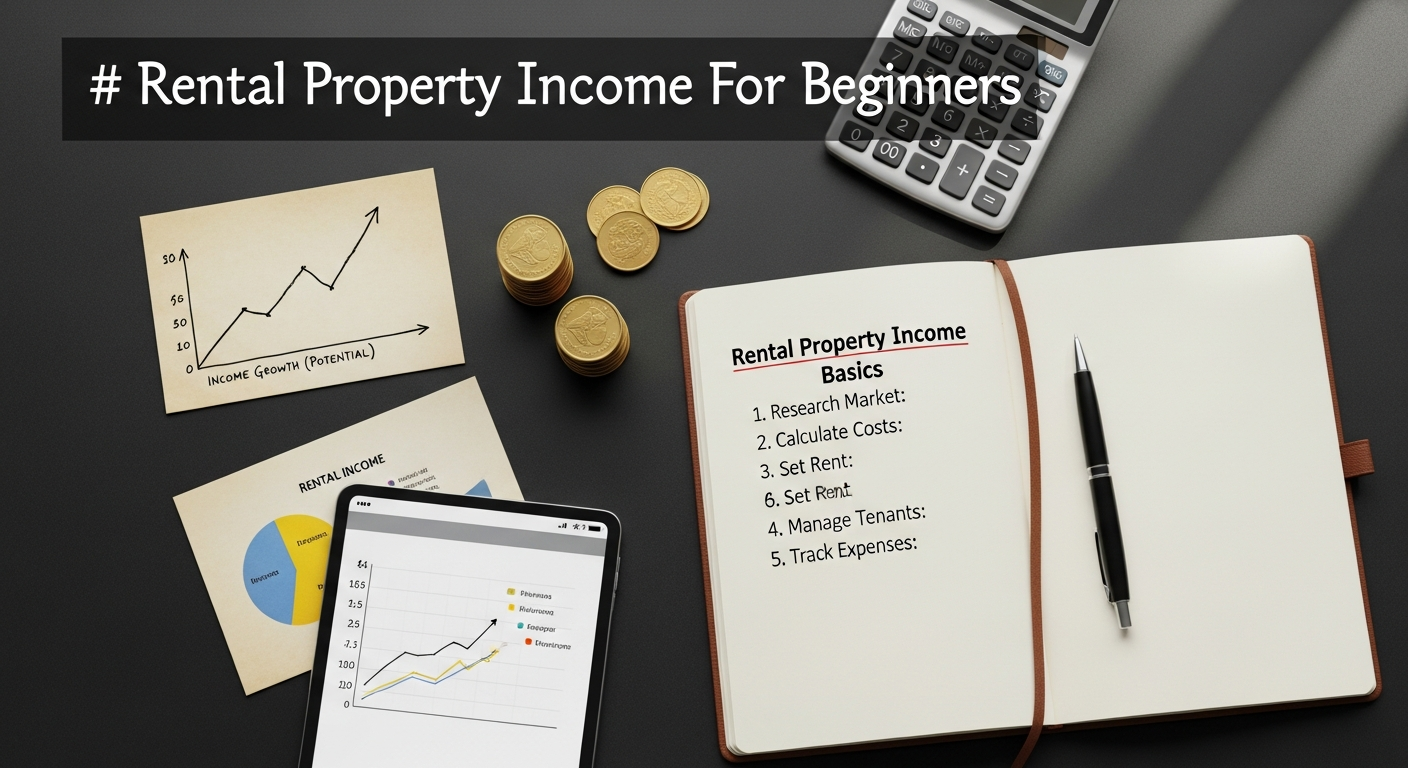
Before you even begin scouting for properties, strategic planning and thorough self-assessment are non-negotiable. For beginners, this initial phase is critical to avoid costly mistakes and ensure a sustainable entry into the rental market.
Define Your Investment Goals
- Short-term vs. Long-term: Are you looking for immediate cash flow to supplement your income, or are you focused on long-term appreciation and wealth accumulation? Your goals will dictate the type of property, location, and financing strategies you pursue.
- Risk Tolerance: Every investment carries risk. How much are you comfortable with? Real estate typically offers a more stable, less volatile return compared to, say, the rapid fluctuations seen in Options Trading Beginners Guide, but it still has its own set of risks, including market downturns, difficult tenants, and unexpected repair costs.
- Time Commitment: Be honest about how much time you can realistically dedicate to property management. This will influence whether you opt for self-management or hire a property manager.
Conduct Thorough Market Research
- Location, Location, Location: This adage holds true. Research neighborhoods with strong rental demand, low vacancy rates, and potential for growth. Look for areas with good schools, amenities, job growth, and infrastructure development. Drive through potential areas at different times of day.
- Target Tenant Demographics: Understand who your ideal tenant is likely to be (e.g., families, young professionals, students). This will help you select a property that appeals to them and tailor your marketing efforts.
- Rental Comps: Analyze comparable rental properties in the area to determine realistic rental rates. Sites like Zillow, Rent.com, and local real estate listings can be valuable resources.
- Property Types: Consider single-family homes, multi-family units (duplexes, triplexes), or even condos. Each has different pros, cons, and management requirements. For beginners, a single-family home or a duplex often presents a more manageable entry point.
Assess Your Financial Readiness
- Credit Score: A strong credit score is vital for securing favorable loan terms. Work on improving your credit if needed well in advance.
- Down Payment: Lenders typically require a significant down payment for investment properties, often 20% or more. Start saving aggressively. For those wondering How To Start Investing Little Money 2026, remember that consistent, disciplined saving, even of small amounts, can accumulate surprisingly quickly over time. Consider setting up automated transfers to a dedicated savings account.
- Closing Costs: Don’t forget closing costs, which can range from 2-5% of the purchase price, covering items like loan origination fees, appraisal fees, title insurance, and legal fees.
- Emergency Reserves: This is perhaps the most overlooked but critical aspect. You need to have several months’ worth of operating expenses (including mortgage payments) saved up in an easily accessible account. This fund will cover vacancies, unexpected repairs (e.g., a broken furnace, roof leak), and other unforeseen costs, preventing you from going into debt or having to sell prematurely. Many successful investors recommend having 6-12 months of reserves.
- Budgeting Tools: Utilizing the Best Money Apps Budgeting 2026 can be incredibly helpful here. Apps like You Need A Budget (YNAB), Mint, or Personal Capital can help you track your income and expenses, identify areas for savings, and monitor your progress towards your down payment and reserve goals. A meticulous budget is your best friend in preparing for this investment.
Assemble Your Team
You don’t have to do this alone. A strong team is invaluable:
- Real Estate Agent: Find an agent who specializes in investment properties and understands the local rental market.
- Lender/Mortgage Broker: Shop around for the best interest rates and loan terms.
- Real Estate Attorney: Essential for reviewing contracts and ensuring legal compliance.
- Accountant/Tax Advisor: Crucial for understanding the tax implications and maximizing deductions.
- Contractors/Handymen: You’ll need reliable people for repairs and maintenance. Start building a network even before you buy.
By meticulously completing these initial steps, you’ll build a robust foundation, significantly increasing your chances of success as a rental property investor.
Smart Financing for Beginner Landlords in 2026
Traditional Mortgage Options for Investment Properties
- Conventional Loans: These are the most common type of financing. For investment properties, conventional loans typically require a higher down payment (often 20-25%) and may have slightly higher interest rates compared to owner-occupied loans. Lenders will scrutinize your debt-to-income (DTI) ratio and credit score carefully.
- FHA Loans (Owner-Occupied Strategy): While FHA loans are primarily for owner-occupied properties, a common strategy for beginners is to purchase a multi-unit property (e.g., a duplex, triplex, or quadplex) using an FHA loan, live in one unit, and rent out the others. After a year, you can move out and rent all units, converting it fully into an investment property. This allows for a much lower down payment (as little as 3.5%). However, you must genuinely intend to live in one unit for at least a year.
- VA Loans (for Veterans): Similar to FHA, VA loans are for owner-occupied properties and offer 0% down payment for eligible veterans. The same multi-unit strategy can be applied here, making it an incredibly powerful tool for veterans looking to enter real estate with minimal upfront capital.
Non-Traditional Financing and Creative Strategies
- Portfolio Loans: Some smaller, local banks and credit unions offer portfolio loans, which are kept on their books rather than sold on the secondary market. These can sometimes be more flexible with underwriting criteria for investors, though they might come with different terms.
- Hard Money Loans: These are short-term, high-interest loans from private investors or companies, typically used for distressed properties that need significant rehabilitation. They are asset-based, meaning they focus more on the property’s potential value than the borrower’s credit. While useful for experienced flippers, they are generally not recommended for beginners looking for long-term rental income due to their high cost and short repayment terms.
- Private Money Lenders: This involves borrowing from individuals you know (friends, family, acquaintances). Terms are highly negotiable and can be very flexible, but it requires careful structuring with legal agreements to protect both parties.
- Seller Financing: In this scenario, the seller acts as the bank, carrying the mortgage for the buyer. This can be advantageous if you can’t qualify for traditional financing or want more flexible terms. It’s less common but worth exploring in certain market conditions.
- House Hacking: As mentioned with FHA/VA loans, house hacking involves buying a multi-unit property, living in one unit, and renting out the others. The rental income helps cover or even fully offset your mortgage, allowing you to live for free or at a significantly reduced cost. This is one of the most effective strategies for beginners to start investing with less capital.
Leveraging Existing Equity and Other Capital Sources
- Home Equity Line of Credit (HELOC) or Cash-Out Refinance: If you already own a primary residence with substantial equity, you can tap into that equity to fund a down payment for an investment property. A HELOC provides a revolving line of credit, while a cash-out refinance replaces your existing mortgage with a larger one, giving you the difference in cash. Be cautious with these, as you’re leveraging your primary home.
- Self-Directed IRAs/401(k)s: While more advanced, it’s possible to use funds from self-directed retirement accounts to invest in real estate. This comes with strict IRS rules and penalties for non-compliance, so professional guidance is essential.
- Partnerships: Teaming up with a trusted partner (e.g., family member, friend, or another investor) can pool resources for a larger down payment and shared responsibilities. Ensure you have a clear, legally binding partnership agreement detailing roles, responsibilities, and profit/loss sharing. This approach can be particularly beneficial for those figuring out How To Start Investing Little Money 2026, as it allows for collective capital accumulation.
Regardless of the financing path you choose, meticulous financial preparation is key. This includes maintaining a strong credit score, demonstrating stable income, and having a clear understanding of your budget. Regularly monitoring your financial health using the Best Money Apps Budgeting 2026 will provide the necessary insight to make informed decisions and present yourself as a reliable borrower to lenders. Always shop around with multiple lenders to compare rates and terms, and don’t hesitate to ask questions.
Effective Property Management: From Tenants to Taxes

Once you own a rental property, the real work of management begins. This phase is critical for ensuring consistent cash flow, maintaining property value, and staying legally compliant. Effective property management involves a range of responsibilities, from finding the right tenants to handling maintenance and understanding tax obligations.
Tenant Acquisition and Management
- Marketing Your Property: High-quality photos, detailed descriptions, and wide online distribution (Zillow, Apartments.com, social media) are essential. Highlight key features and benefits of the property and neighborhood.
-
Tenant Screening: This is arguably the most crucial step. A thorough screening process helps you find reliable, responsible tenants who pay on time and take care of your property.
- Application Process: Require a detailed application form.
- Credit Check: Assess financial responsibility and payment history.
- Background Check: Look for any criminal history.
- Eviction History: Check for past evictions.
- Employment Verification: Confirm stable income.
- Landlord References: Speak with previous landlords to gauge tenant behavior and reliability.
Adhere strictly to Fair Housing Laws to avoid discrimination.
-
Lease Agreements: A comprehensive, legally sound lease agreement is your primary protection. It should clearly outline:
- Rent amount, due date, and late fees.
- Lease term (e.g., 12 months).
- Security deposit terms and conditions.
- Responsibilities for maintenance and repairs.
- Pet policies (if applicable).
- Rules regarding property alterations, noise, and common areas.
- Early termination clauses.
Consult with a real estate attorney to ensure your lease complies with all local and state laws in 2026.
- Rent Collection: Establish a clear and consistent system. Online payment platforms are increasingly popular for convenience and record-keeping.
- Eviction Process: Understand the legal process for eviction in your jurisdiction. This is often complex and strictly regulated, requiring precise adherence to laws. It should always be a last resort, but knowing the steps is important.
Property Maintenance and Repairs
- Proactive Maintenance: Regular inspections and preventative maintenance (e.g., HVAC servicing, gutter cleaning, pest control) can prevent minor issues from becoming costly major repairs.
- Responsive Repairs: Address tenant repair requests promptly. Timely responses improve tenant satisfaction and prevent property damage from escalating. Have a network of trusted contractors (plumbers, electricians, handymen) ready.
- Capital Expenditures (CapEx): Budget for larger, infrequent expenses like roof replacement, HVAC system upgrades, or major appliance replacements. These are different from routine repairs and require significant financial planning. Set aside a percentage of your rent each month for a CapEx fund.
Financial Management and Tax Implications
- Record Keeping: Meticulous record-keeping is non-negotiable. Track all income (rent, late fees) and expenses (mortgage interest, property taxes, insurance, repairs, utilities, advertising, legal fees, management fees). Digital tools or spreadsheets can simplify this.
-
Tax Deductions: Rental property owners can deduct a wide array of expenses, significantly reducing their taxable income. These include:
- Mortgage interest
- Property taxes
- Operating expenses (repairs, utilities, insurance)
- Depreciation (a non-cash deduction that allows you to recover the cost of the property over its useful life)
- Travel expenses related to property management
- Professional fees (accountant, attorney, property manager)
Consult with a qualified accountant or tax advisor specializing in real estate to ensure you’re maximizing your deductions and complying with IRS regulations for 2026.
- Insurance: Secure landlord insurance (also known as dwelling fire policy) which covers property damage, liability, and loss of rental income due to covered perils. Standard homeowner’s insurance is insufficient for rental properties.
When to Hire a Property Management Company
- Pros: A property manager handles all aspects of tenant relations, marketing, screening, rent collection, maintenance, and legal compliance. This frees up your time, especially if you live far from the property or have multiple properties. They have expertise in local landlord-tenant laws and market rates.
- Cons: Property management companies typically charge 8-12% of the monthly rent, plus fees for tenant placement and major repairs. This cuts into your cash flow, so you need to factor this cost into your financial analysis.
- Decision Point: If you’re starting with one property and have the time and inclination, self-management can save you money. As your portfolio grows, or if you prefer a more hands-off approach, hiring a manager becomes increasingly attractive.
Effective property management is the backbone of a successful rental property investment. It requires organization, responsiveness, and a solid understanding of both financial and legal obligations.
Strategies for Growth: Maximizing Profit and Scaling Your Portfolio
Once you’ve successfully acquired and managed your first rental property, the next natural step for many investors is to look for ways to maximize profitability and strategically grow their portfolio. This involves both optimizing existing assets and planning for future acquisitions.
Optimizing Your Existing Properties for Maximum Profit
- Smart Renovations and Upgrades: Not all renovations yield the same ROI. Focus on upgrades that appeal to your target tenants and justify higher rents. Examples include kitchen and bathroom updates, adding smart home features (thermostats, locks), improving curb appeal, or upgrading to more energy-efficient appliances. Research what features are most valued in your specific market in 2026.
- Value-Add Strategies: Look for opportunities to add value beyond standard renovations. Can you convert a basement into an additional bedroom or a separate living unit (where zoning permits)? Could you add a laundry hookup or a detached garage that commands a premium?
- Strategic Rent Increases: Regularly review market rental rates and adjust your rent accordingly. While you don’t want to price yourself out of the market or alienate good tenants, undercharging means leaving money on the table. Be mindful of local rent control laws.
- Minimizing Vacancy Rates: High vacancy is a profit killer. Keep good tenants happy by being responsive and fair. When a tenant moves out, market the property aggressively and have a streamlined screening process to minimize the turnover period. A quick turnaround between tenants is crucial.
- Reviewing Expenses: Periodically audit your operating expenses. Can you find cheaper insurance? Are your property taxes assessed fairly? Can you negotiate better rates with contractors or utility providers? Even small savings add up over time.
Scaling Your Portfolio: Acquiring More Properties
-
The BRRRR Method (Buy, Rehab, Rent, Refinance, Repeat): This popular strategy is excellent for scaling.
- Buy: Purchase a distressed or undervalued property.
- Rehab: Renovate the property to increase its value.
- Rent: Find tenants and stabilize the cash flow.
- Refinance: Get a new mortgage based on the property’s increased, post-rehab value. The goal is often to pull out most, if not all, of your initial investment (down payment and rehab costs) tax-free.
- Repeat: Use the capital pulled out from the refinance to fund the next BRRRR project.
This method allows you to grow your portfolio without continuously injecting new capital, making it a powerful strategy for those who started with limited funds and are now looking to expand rapidly.
- 1031 Exchange: For more experienced investors, a 1031 exchange (or “like-kind exchange”) allows you to defer capital gains taxes when you sell an investment property and reinvest the proceeds into another similar investment property. This can be a powerful tool for portfolio growth and wealth preservation, but it has strict timelines and rules.
- Diversification within Real Estate: As your portfolio grows, consider diversifying beyond single-family homes. This could include multi-family units, short-term rentals (like Airbnb), or even commercial properties. Diversification can reduce risk and open up new income streams. While the “Trading Costs” blog often discusses diversification within financial instruments like stocks and bonds, and even the higher-risk options in an Options Trading Beginners Guide, diversifying within real estate itself offers a tangible, less volatile alternative.
- Strategic Partnerships: As mentioned in financing, partnerships can be instrumental in scaling. By combining capital, expertise, and time, you can tackle larger projects or acquire more properties than you could individually. Clear agreements are paramount.
- Continuous Learning and Adaptation: The real estate market is dynamic. Stay informed about market trends, interest rate changes, local development plans, and economic forecasts for 2026 and beyond. Regularly assess your portfolio’s performance and be willing to adapt your strategies.
Building a successful rental property portfolio is a marathon, not a sprint. It requires patience, strategic planning, ongoing management, and a commitment to continuous improvement. By focusing on both optimizing your current assets and intelligently acquiring new ones, you can steadily grow your rental property income and build substantial long-term wealth.
Navigating the Landscape: Common Challenges and Future Trends for 2026
While rental property investment offers significant rewards, it’s not without its challenges. Understanding common pitfalls and anticipating future trends for 2026 can help beginners prepare, mitigate risks, and position themselves for long-term success.
Common Pitfalls to Avoid
- Underestimating Costs: Many beginners focus solely on the purchase price and mortgage payment, forgetting about other significant expenses. These include closing costs, property taxes, insurance, maintenance, repairs, vacancy reserves, capital expenditures, and potential property management fees. A thorough financial analysis must account for all these, not just the obvious ones.
- Poor Tenant Screening: Rushing to fill a vacancy can lead to selecting problematic tenants who cause property damage, pay late, or require eviction. This can be incredibly costly in terms of lost rent, legal fees, and repair expenses. Always stick to your rigorous screening process.
- Emotional Decisions: Investing in real estate requires a detached, analytical approach. Don’t fall in love with a property based on aesthetics or personal preference. Stick to your numbers, market research, and investment criteria. Overpaying for a property due to emotional attachment is a common beginner mistake.
- Ignoring Due Diligence: Skipping inspections, failing to research local zoning laws, or not verifying property boundaries can lead to expensive surprises down the road. Always conduct thorough due diligence.
- Lack of Legal Knowledge: Landlord-tenant laws vary significantly by state and municipality and can be complex. Ignorance of these laws (e.g., proper eviction procedures, security deposit rules, fair housing regulations) can lead to lawsuits, fines, and significant legal fees. Stay informed or rely on professional advice.
- Inadequate Reserves: As mentioned, not having sufficient emergency funds for vacancies or unexpected major repairs can quickly put your investment in jeopardy, potentially forcing a premature and unfavorable sale.
Future Trends and Considerations for 2026
The real estate market is constantly evolving, influenced by technological advancements, demographic shifts, economic conditions, and regulatory changes. Staying ahead of these trends in 2026 will be crucial for competitive advantage.
-
Technological Integration:
- Smart Home Technology: Tenants increasingly expect smart thermostats, smart locks, and integrated security systems. Implementing these can justify higher rents and attract tech-savvy renters.
- Online Property Management Platforms: Tools for online rent collection, maintenance request portals, and digital lease signing are becoming standard, streamlining operations for both landlords and tenants.
- AI and Data Analytics: Advanced analytics can help investors identify emerging markets, predict rental demand, and optimize pricing strategies more effectively.
-
Market Dynamics:
- Interest Rate Fluctuations: Be prepared for potential shifts in interest rates, which directly impact borrowing costs and property affordability. Monitoring economic forecasts will be key.
- Housing Supply and Demand: Continued housing shortages in many urban and suburban areas are likely to keep rental demand strong, but new construction and changing demographics can shift balances.
- Remote Work Impact: The enduring trend of remote and hybrid work continues to influence where people choose to live, potentially boosting demand in secondary cities and suburban areas over traditional urban cores.
-
Regulatory and Environmental Shifts:
- Stricter Landlord-Tenant Laws: Expect continued advocacy for tenant protections, potentially leading to more stringent rent control measures, eviction moratoriums (in crisis situations), and habitability standards. Staying informed about local legislative changes is vital.
- Sustainability and Green Initiatives: There’s a growing demand for energy-efficient and environmentally friendly properties. Investing in green upgrades (solar panels, energy-efficient windows, better insulation) can attract tenants, reduce operating costs, and potentially qualify for incentives.
- The Evolving Investor Landscape: As more individuals look into diverse investment opportunities beyond traditional stocks and bonds, or even the intricacies of an Options Trading Beginners Guide, real estate remains a compelling option. Understanding how to start with minimal capital, as discussed in “How To Start Investing Little Money 2026,” will continue to be a common concern for new entrants. Utilizing the Best Money Apps Budgeting 2026 for meticulous financial planning will remain a cornerstone of successful real estate investment.
By proactively addressing common challenges and adapting to the evolving landscape, beginner landlords
Recommended Resources
You might also enjoy How To Invest In Real Estate With Little Money from AssetBar.
You might also enjoy How To Run Google Ads For Beginners from Page Release.