
Small Business Loans: A Guide to Funding Your Entrepreneurial Venture
At Trading Costs, we understand that navigating the complexities of business finance can be daunting. This comprehensive guide is designed to demystify small business loans, offering a clear, authoritative, and actionable roadmap for securing the funding your venture needs. Whether you’re launching a startup, expanding an existing operation, or managing cash flow, we’ll equip you with the knowledge to identify, compare, and successfully apply for the right loan, transforming financial hurdles into stepping stones for growth.
Published: | Last Modified:
Author: Alex Johnson
Alex Johnson is a seasoned financial analyst and small business advisor with over 15 years of experience in corporate finance and entrepreneurial funding. He specializes in helping startups and growing businesses navigate complex lending landscapes to secure optimal financing solutions.
Understanding Small Business Loans: The Foundation of Growth
A small business loan is essentially a sum of money provided by a lender to a business, which the business then repays with interest over an agreed period. These loans are distinct from personal loans because they are typically secured against business assets or revenue, and their purpose is explicitly to support business operations or growth.
The primary purpose of small business loans can vary widely:
- Startup Capital: Funding initial expenses like incorporation, market research, product development, and initial inventory.
- Working Capital: Covering day-to-day operational costs such as payroll, rent, utilities, and short-term inventory needs, especially during periods of inconsistent cash flow. For a deeper dive, explore our guide on understanding working capital.
- Equipment Financing: Purchasing essential machinery, vehicles, technology, or other tangible assets critical for operations.
- Expansion and Growth: Funding new locations, hiring more staff, developing new products, or scaling marketing efforts.
- Debt Refinancing: Consolidating existing business debts into a single, potentially more favorable loan.
Lenders for small business loans include a diverse group:
- Traditional Banks: Often offer the most competitive rates and terms but typically have stringent eligibility requirements and longer application processes. Examples include Chase, Bank of America, Wells Fargo. Learn more about traditional banks for small business loans.
- Credit Unions: Member-owned financial cooperatives that can offer more personalized service and sometimes more flexible terms than large banks, especially to local businesses.
- Online Lenders: Known for speed and convenience, often with less rigid requirements than traditional banks. They use technology to streamline applications and underwriting, though their rates can sometimes be higher. Examples include OnDeck, Kabbage (now part of American Express), Fundbox. Discover the top online small business lenders.
- Government-Backed Programs: Primarily through the U.S. Small Business Administration (SBA), these loans are facilitated by private lenders but partially guaranteed by the government, reducing risk for lenders and enabling more favorable terms for borrowers. You can find detailed information on SBA loan programs directly on SBA.gov.
- Community Development Financial Institutions (CDFIs): Non-profit lenders focused on serving underserved markets and communities, often offering flexible loans to businesses that might not qualify for traditional funding.
Key Terminology to Master
Before diving into specific loan types, understanding key financial terms is essential:
- Principal: The original amount of money borrowed.
- Interest Rate: The cost of borrowing money, expressed as a percentage of the principal.
- APR (Annual Percentage Rate): The total cost of the loan over a year, including the interest rate and any additional fees (e.g., origination fees, closing costs). This provides a more accurate picture of the loan’s true cost.
- Loan Term: The duration over which the loan must be repaid.
- Collateral: Assets (e.g., real estate, equipment, inventory, accounts receivable) pledged by the borrower to secure the loan. If the borrower defaults, the lender can seize the collateral.
- Personal Guarantee: A legally binding promise by the business owner to repay the business debt using personal assets if the business defaults. Many small business loans, especially for newer ventures, require a personal guarantee.
- Amortization: The process of paying off debt over time in regular installments, with each payment covering both principal and interest.
Actionable Tip: Before you even start looking for lenders, conduct a thorough assessment of your business’s financial needs. Understand precisely how much capital you require, what you’ll use it for, and what your projected repayment capacity is. This clarity will guide you to the most suitable loan products and strengthen your application.
Types of Small Business Loans: Choosing Your Funding Path
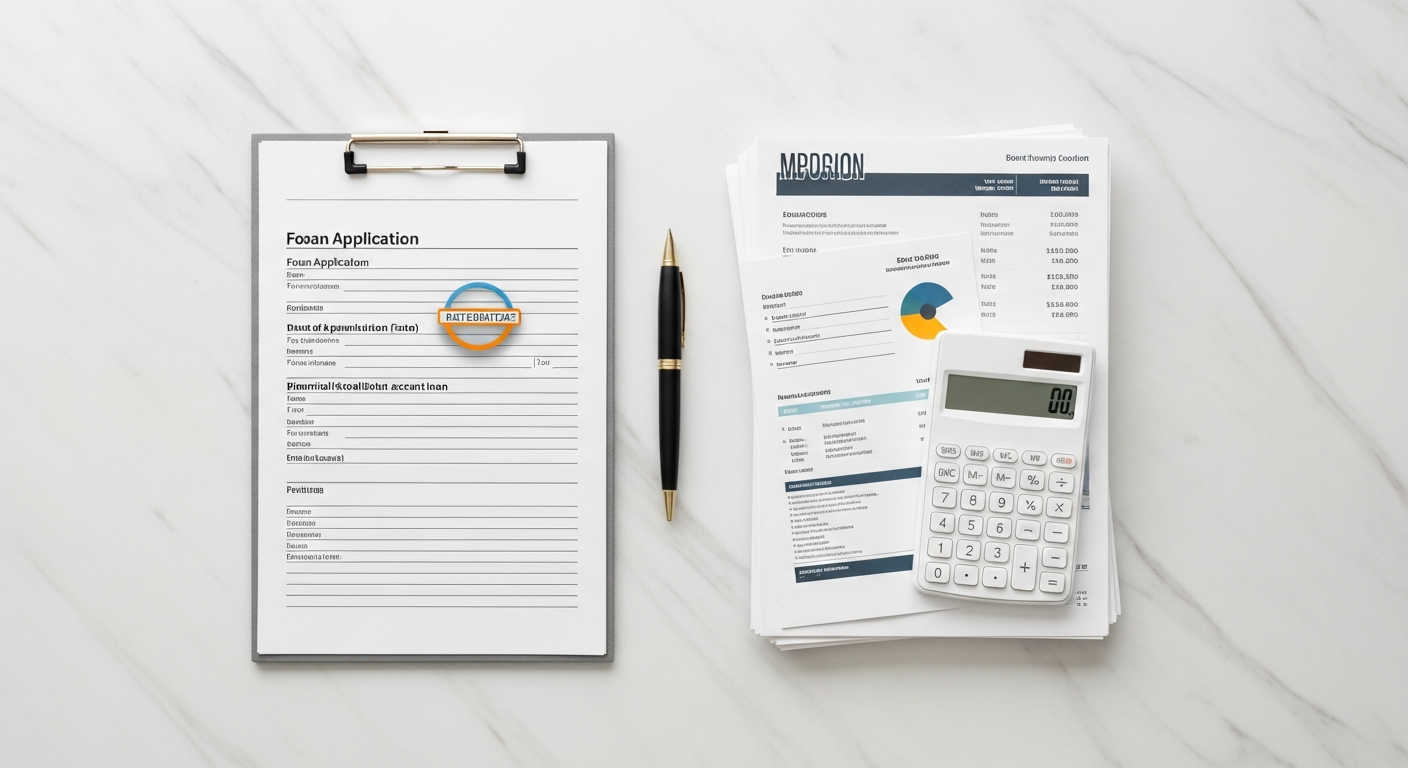
The world of small business loans is diverse, with each type designed to serve specific business needs and financial situations. Matching the right loan to your requirement is crucial for efficiency and long-term financial health.
1. SBA Loans (Small Business Administration Loans)
SBA loans are perhaps the most well-known government-backed small business funding option. The SBA doesn’t lend money directly (except for disaster relief); instead, it sets guidelines for loans made by its network of lending partners (banks, credit unions, community development organizations) and guarantees a portion of the loan. This reduces risk for lenders, making them more willing to lend to small businesses and offering more favorable terms, such as lower interest rates and longer repayment periods. For a comprehensive overview, explore the benefits of SBA loan programs.
- SBA 7(a) Loan Program: The most flexible and common SBA loan, used for a wide range of purposes, including working capital, equipment purchases, inventory, real estate, and even refinancing existing debt. Loan amounts can go up to $5 million, with repayment terms up to 10 years for working capital/equipment and 25 years for real estate.
- SBA 504 Loan Program: Designed for purchasing or upgrading owner-occupied commercial real estate or large equipment. These loans typically involve three parties: a borrower, a conventional lender, and a Certified Development Company (CDC). They offer long-term, fixed-rate financing up to $5.5 million.
- SBA Microloan Program: Provides smaller loans (up to $50,000) for startups and underserved communities, often used for working capital, inventory, or equipment. Repayment terms can be up to 6 years.
Real-world Example: A growing manufacturing company looking to purchase a new $1 million piece of automated machinery might apply for an SBA 7(a) loan. With an SBA guarantee, the lender might offer a rate of prime + 2.75% over a 10-year term, significantly better than a conventional loan’s terms for such a large asset.
2. Term Loans
A traditional term loan provides a lump sum of capital upfront, which the borrower repays over a set period (the “term”) with fixed monthly or weekly installments. These loans are typically secured by collateral, though unsecured options exist for businesses with very strong credit and financials.
- Uses: Often used for significant, one-time investments such as purchasing equipment, expanding facilities, or making strategic hires.
- Pros: Predictable payments, often lower interest rates than revolving credit, clear repayment schedule.
- Cons: Less flexible once disbursed, may require collateral.
3. Business Lines of Credit
Unlike a term loan, a business line of credit offers access to a revolving pool of funds up to a certain limit. Businesses can draw from the line as needed, repay the drawn amount, and then draw again, similar to a credit card. Interest is only paid on the amount borrowed.
- Uses: Ideal for managing cash flow fluctuations, covering unexpected expenses, or purchasing inventory for seasonal businesses.
- Pros: Flexibility, access to funds on demand, only pay interest on what you use.
- Cons: Interest rates can be variable, temptation to overspend.
Real-world Example: A small retail boutique preparing for the holiday season might use a $50,000 line of credit to purchase additional inventory. They draw $30,000 in October, repay it by January after sales, and then have the full $50,000 available again for future needs.
4. Equipment Financing
Specifically designed to help businesses purchase new or used equipment. The equipment itself typically serves as collateral for the loan, making it easier to qualify for than an unsecured loan.
- Uses: Buying vehicles, machinery, computers, restaurant kitchen equipment, etc.
- Pros: Preserves cash flow, equipment acts as collateral, often competitive rates.
- Cons: Limited to equipment purchases, you don’t own the equipment outright until the loan is fully repaid.
5. Invoice Factoring and Financing
These are not traditional loans but ways to get immediate cash by leveraging your outstanding invoices.
- Invoice Factoring: You sell your unpaid invoices (accounts receivable) to a third-party company (the “factor”) at a discount. The factor then collects payment directly from your customers.
- Invoice Financing: You borrow money against the value of your outstanding invoices. You remain responsible for collecting payments from your customers.
- Uses: Businesses with long payment terms (e.g., 30-90 days) from reliable customers, needing to bridge cash flow gaps.
- Pros: Quick access to cash, useful for fast-growing businesses with strong B2B sales.
- Cons: Can be expensive (fees range from 1% to 5% or more per month), your customers are aware of the third-party involvement in factoring.
6. Merchant Cash Advances (MCAs)
An MCA provides an upfront lump sum in exchange for a percentage of your future credit card or debit card sales. Repayments are typically made daily or weekly, automatically deducted from your sales.
- Uses: Businesses with high credit card sales volume needing fast, short-term cash.
- Pros: Very fast funding, minimal documentation, lenient credit requirements.
- Cons: Extremely expensive (APRs can easily exceed 50% or even 100%), can be difficult to manage due to daily deductions. Best used as a last resort for urgent, short-term needs.
7. Commercial Real Estate Loans
- Uses: Buying an office building, retail space, warehouse, or factory.
- Pros: Build equity, stable housing for your business, potential for appreciation.
- Cons: Large down payments often required, long commitment, complex application process.
8. Startup Loans
Often more challenging to secure than loans for established businesses, startup loans are specifically for new ventures with little to no operating history or revenue. These might include microloans, some SBA 7(a) loans, or even personal loans used for business purposes (with caution).
- Uses: Initial equipment, inventory, marketing, and working capital to get off the ground.
- Pros: Essential for launching a new business.
- Cons: Higher risk for lenders, often require stronger personal credit and a compelling business plan, may involve personal guarantees.
Actionable Tip: Clearly define the specific financial challenge or opportunity your business faces. Is it a one-time purchase, a cash flow gap, or long-term expansion? Then, research which loan type directly addresses that need. Avoid taking on a loan type that doesn’t fit, as it can lead to unnecessary costs or complications.
Eligibility Criteria and Application Process: Preparing for Success
Securing small business loans requires careful preparation. Lenders scrutinize various aspects of your business and personal financial history to assess risk. Understanding these criteria and streamlining your application process can significantly increase your chances of approval.
Common Eligibility Requirements
While requirements vary by lender and loan type, most will consider the following:
- Time in Business: Many traditional lenders prefer businesses to have been operating for at least 2-3 years. Newer businesses (6 months to 2 years) might look to online lenders or microloans. Startups face the toughest challenge here.
- Annual Revenue: Lenders want to see consistent income that demonstrates your ability to repay the loan. Minimum revenue thresholds vary widely, from $50,000 for some online lenders to hundreds of thousands for larger bank loans.
- Credit Score (Personal and Business): Your personal credit score (FICO) is almost always a factor, especially for smaller businesses or those without an established business credit profile. A strong personal score (680+) is often required for bank and SBA loans. Your business credit score (e.g., from Dun & Bradstreet, Experian Business) also plays a crucial role for established businesses. For tips on improving your business credit score, see our dedicated guide.
- Profitability: While revenue shows sales, profitability demonstrates your business’s ability to manage costs and generate net income, which directly impacts repayment capacity.
- Debt-to-Income Ratio (DTI) / Debt Service Coverage Ratio (DSCR): Lenders assess your current debt obligations relative to your income or cash flow to ensure you’re not overleveraged. A DSCR of 1.25x or higher is often preferred, meaning your net operating income is 1.25 times your debt payments.
- Collateral/Personal Guarantee: For secured loans, lenders will evaluate the value and liquidity of the assets you’re pledging. For many small business loans, especially for newer ventures, a personal guarantee from the owner is mandatory.
- Industry Risk: Some industries are perceived as higher risk by lenders due to volatility or specific challenges.
Essential Documents for Your Application
Gathering these documents well in advance will save you time and stress:
- Business Plan: A detailed document outlining your business’s mission, products/services, market analysis, management team, marketing strategy, and financial projections. This is critical for startups and expanding businesses. Learn how to write a compelling business plan.
- Financial Statements:
- Profit & Loss (P&L) Statements: Typically for the last 1-3 years and year-to-date, showing revenues, costs, and profits.
- Balance Sheets: For the last 1-3 years and year-to-date, detailing assets, liabilities, and equity.
- Cash Flow Statements: Showing how cash is generated and used by your business.
- Business Tax Returns: For the past 2-3 years.
- Personal Tax Returns: For the past 2-3 years for all owners, especially if a personal guarantee is required.
- Bank Statements: Business bank statements for the last 6-12 months to show cash flow patterns.
- Legal Documents: Articles of incorporation, business licenses, permits, and any relevant contracts (e.g., leases, supplier agreements).
- Personal Financial Statement: A summary of your personal assets and liabilities, particularly important for loans requiring a personal guarantee.
- Accounts Receivable and Payable Aging Reports: To show the health of your customer payments and your own payment obligations.
- Resumes of Key Management: To highlight the experience and expertise of your leadership team.
The Application Journey: A Step-by-Step Guide
- Assess Your Needs & Eligibility: Use the criteria above to understand what you might qualify for and which loan type fits best.
- Research Lenders: Compare rates, terms, fees, and requirements from various banks, credit unions, and online lenders. Check reviews and reputation.
- Pre-Qualification (Optional but Recommended): Some lenders offer a quick pre-qualification process that gives you an idea of what you might be approved for without a hard credit inquiry.
- Prepare Your Documents: Gather and organize all necessary paperwork meticulously.
- Submit Your Application: Fill out the application accurately and completely. Attach all required documents.
- Underwriting Process: The lender reviews your application, verifies information, assesses risk, and may request additional documentation or clarification. This can take days for online lenders or weeks for traditional banks and SBA loans.
- Approval or Denial: If approved, you’ll receive a loan offer outlining the terms. If denied, request feedback to understand why and improve future applications.
- Review & Sign Loan Agreement: Carefully read all terms, conditions, and repayment schedules before signing. Don’t hesitate to ask questions.
- Receive Funding: Funds are disbursed to your business bank account.
Actionable Tip: Invest time in creating a comprehensive and compelling business plan, especially if your business is young. This document serves as your pitch to lenders, demonstrating your vision, market understanding, and ability to generate returns, making it as important as your financial statements.
Key Factors to Consider When Comparing Small Business Loans

With numerous small business loans on offer, comparing options can feel overwhelming. Beyond the interest rate, several critical factors influence the true cost and suitability of a loan. A holistic evaluation prevents surprises and ensures you select the most advantageous funding.
1. Interest Rates and APR
While the interest rate is a primary consideration, it doesn’t tell the whole story. The APR (Annual Percentage Rate) provides a more accurate picture by including all fees and charges associated with the loan, annualized over the loan term. This allows for a true apples-to-apples comparison across different lenders.
- Fixed vs. Variable Rates: Fixed rates remain constant throughout the loan term, offering predictable payments. Variable rates can fluctuate based on a benchmark index (e.g., Prime Rate), potentially leading to higher or lower payments over time.
- Range: APRs can vary dramatically. Prime SBA loans might have APRs in the 6-10% range, traditional bank term loans 7-15%, online term loans 15-50%, and merchant cash advances often exceeding 50-100% (and sometimes much higher, effectively making them extremely expensive).
Practical Step: Always ask for the total APR, not just the interest rate. If a lender is hesitant to provide it, consider it a red flag.
2. Loan Term and Repayment Structure
The length of the repayment period significantly impacts both your monthly payment amount and the total interest paid over the life of the loan.
- Shorter Terms: Mean higher monthly payments but less total interest paid. Suitable if your business has strong, consistent cash flow and wants to be debt-free quickly.
- Longer Terms: Result in lower monthly payments, improving cash flow in the short term, but you’ll pay more in total interest. Ideal for large investments like real estate or equipment where the asset has a long useful life.
- Repayment Frequency: Payments can be daily, weekly, or monthly. Daily or weekly payments, common with online lenders and MCAs, can put a strain on cash flow if not carefully managed.
Practical Step: Calculate the total cost of the loan (principal + total interest) for different terms. Also, project your monthly/weekly cash flow to ensure the repayment schedule is sustainable without hindering operations.
3. Fees and Additional Costs
Beyond interest, various fees can add significantly to the overall cost of a loan:
- Origination Fees: A one-time charge for processing the loan, often a percentage of the loan amount (e.g., 1-5%).
- Closing Costs: Fees associated with finalizing the loan, particularly for larger loans like commercial real estate.
- Guarantee Fees: Common with SBA loans (e.g., 2.25-3.75% of the guaranteed portion, depending on the loan amount and term).
- Underwriting Fees: Charges for the lender’s risk assessment.
- Prepayment Penalties: Fees for paying off the loan early. While saving on interest, these penalties can sometimes negate the savings.
- Late Payment Fees: Penalties for missed or delayed payments.
Practical Step: Request a detailed breakdown of all fees and incorporate them into your APR calculation or total cost analysis. Be wary of hidden fees.
4. Collateral Requirements and Personal Guarantees
Lenders protect their investment through collateral or personal guarantees.
- Collateral: What assets are you willing to pledge (real estate, equipment, inventory, accounts receivable)? Understand the liquidation value of these assets.
- Personal Guarantee: If required, this means your personal assets (home, savings) are on the line if your business defaults. It’s a significant commitment and should be considered carefully. Many small business loans, particularly for newer businesses, mandate a personal guarantee.
Practical Step: Evaluate the risk associated with pledging specific assets or offering a personal guarantee. Understand the potential impact on your personal finances if the business faces difficulties.
5. Speed of Funding
How quickly you need the funds can dictate which loan types and lenders are viable.
- Fast Funding (1-3 days): Often available from online lenders or for merchant cash advances, but typically comes with higher costs.
- Moderate Funding (1-3 weeks): Some online lenders and smaller traditional bank loans.
- Slow Funding (1-3 months): Traditional bank loans, especially SBA loans or larger commercial real estate loans, require extensive due diligence.
Practical Step: Align the funding speed with your immediate business needs. If you need cash tomorrow for an urgent opportunity, an SBA loan might not be the answer.
6. Lender Reputation and Support
Choosing a lender is also about building a relationship. Research their reputation, customer service, and transparency.
- Reviews and Testimonials: Check online reviews on platforms like Google, Trustpilot, and the Better Business Bureau.
- Customer Support: Will you have a dedicated point of contact? How responsive are they to questions?
- Transparency: Are their terms clear and easy to understand, or are they buried in complex legalese?
Practical Step: Don’t just focus on the numbers; consider the overall experience and reliability of the lender. A supportive lender can be a valuable partner.
Actionable Tip: Create a comparison spreadsheet. List each loan offer, noting the principal, APR, total fees, total repayment amount, term, payment frequency, collateral requirements, and expected funding time. This structured approach ensures a comprehensive and objective comparison, helping you make an informed decision for your specific small business loans need.
Beyond Traditional Loans: Alternative Funding Options for Entrepreneurs
While small business loans from banks and online lenders are common, they are not the only avenues for capital. For businesses with unique needs, high-growth potential, or those struggling to qualify for traditional loans, exploring alternative funding options can be essential.
1. Venture Capital (VC)
Venture capital firms invest in high-growth potential startups and established businesses in exchange for an equity stake (ownership) in the company. VCs typically provide significant capital and often strategic guidance, but they expect substantial returns and influence company direction. Learn more about venture capital funding.
- Pros: Large capital injections, valuable mentorship and network access, no repayment obligation (as it’s equity).
- Cons: Significant dilution of ownership, loss of control, intense scrutiny, high expectation for rapid growth and exit (IPO or acquisition). Not suitable for all businesses.
Real-world Example: A tech startup developing an innovative AI-driven platform might secure Series A funding from a venture capital firm, receiving $5 million in exchange for 20% equity, enabling them to scale their team and product development rapidly.
2. Angel Investors
Angel investors are affluent individuals who invest their own money directly into early-stage companies, often in exchange for equity or convertible debt. They typically provide smaller amounts than VCs but often bring valuable industry experience and mentorship. Discover strategies for finding angel investors.
- Pros: Capital, mentorship, faster decision-making than VCs, more flexible terms sometimes.
- Cons: Dilution of ownership, might still require significant equity, finding the right angel can be challenging.
3. Crowdfunding
Crowdfunding involves raising small amounts of money from a large number of people, typically through online platforms. There are several models: For a detailed guide, check out crowdfunding for startups.
- Rewards-Based Crowdfunding (e.g., Kickstarter, Indiegogo): Customers pre-order products or donate in exchange for non-financial rewards. Good for validating product ideas and building community.
- Equity Crowdfunding (e.g., StartEngine, Republic): Businesses sell small equity stakes to a large number of individual investors. Allows everyday investors to participate in startup funding.
- Debt Crowdfunding (P2P Lending): Individuals lend money to businesses in exchange for interest.
- Pros: Market validation, community building, access to capital for those not qualifying for traditional loans.
- Cons: Requires significant marketing effort, can be time-consuming, potential dilution (equity), regulatory complexities.
4. Business Grants
Grants are sums of money awarded to businesses that do not need to be repaid. They are typically offered by government agencies (federal, state, local), foundations, or corporations to promote specific initiatives (e.g., innovation, job creation, supporting specific demographics or industries). Explore our guide to small business grants.
- Pros: Free money (no repayment, no equity dilution), can boost credibility.
- Cons: Highly competitive, often have very specific eligibility criteria, application process can be lengthy and complex, usually for specific purposes.
Practical Step: Research federal (e.g., grants.gov), state, and local government websites, as well as foundations relevant to your industry or business type. Tailor your application precisely to the grant’s objectives.
5. Bootstrapping / Self-Funding
Bootstrapping means funding your business primarily from personal savings, early sales, or by minimizing expenses. This is often the initial funding method for many entrepreneurs before seeking external capital. Read more about bootstrapping your startup.
- Pros: Full ownership and control, no debt obligations, forces financial discipline.
- Cons: Slower growth potential, personal financial risk, limited capital for large-scale operations.
6. Friends and Family Loans
Borrowing from close acquaintances can be a viable option, often with more flexible terms and lower interest rates than institutional lenders. Understand the dynamics of friends and family business loans.
- Pros: Easier to secure, flexible terms, potential for patient capital.
- Cons: Can strain personal relationships if not handled professionally, ensure clear written agreements to avoid misunderstandings.
Actionable Tip: Don’t limit your funding search solely to traditional small business loans. Depending on your business model, growth stage, and risk tolerance, one of these alternative options might be a more fitting or complementary source of capital. Always weigh the pros and cons, particularly concerning ownership dilution versus debt repayment.
Maximizing Your Chances: Tips for a Successful Small Business Loan Application
The journey to securing small business loans can be competitive. While your business’s financial health is paramount, how you present your case to lenders significantly influences the outcome. Adopting a proactive and meticulous approach will set you apart.
1. Maintain Strong Personal and Business Credit
Your credit scores are often the first thing lenders review. A strong credit history signals reliability and financial responsibility.
- Personal Credit: Aim for a FICO score of 680+ for most traditional loans, and 720+ for the best rates. Pay bills on time, keep credit utilization low, and avoid opening too many new credit lines simultaneously.
- Business Credit: Establish a business credit profile early. Obtain an Employer Identification Number (EIN), open business bank accounts, and register with business credit bureaus like Dun & Bradstreet, Experian Business, and Equifax Business. Ensure your vendors report your on-time payments.
2. Develop a Robust and Realistic Business Plan
A well-researched and clearly articulated business plan is your roadmap and your sales pitch rolled into one. It demonstrates to lenders that you have a clear vision and strategy.
- Market Analysis: Show you understand your target market, competitors, and unique value proposition.
- Financial Projections: Present realistic revenue forecasts, profit and loss statements, and cash flow projections for at least the next 3-5 years. Back these up with sound assumptions.
- Management Team: Highlight the experience and expertise of your leadership team.
- Loan Usage and Repayment Strategy: Clearly explain how the loan funds will be used and how your business plans to generate enough cash flow to repay it.
Practical Step: Seek feedback on your business plan from mentors, business advisors, or an accountant before submitting it to a lender. Ensure it’s concise, compelling, and addresses potential lender concerns.
3. Keep Impeccable Financial Records
Lenders need to see a clear and consistent financial picture of your business. Organized and accurate records instill confidence.
- Consistent Bookkeeping: Use accounting software (e.g., QuickBooks, Xero) to track all income and expenses daily or weekly. For a comparison of options, check our guide on best accounting software for small business.
- Separate Business and Personal Finances: This is crucial for legal and financial clarity. Never co-mingle funds.
- Regular Financial Statements: Generate up-to-date Profit & Loss statements, Balance Sheets, and Cash Flow statements.
Practical Step: Consider hiring a professional bookkeeper or accountant if you lack the expertise or time. Their meticulous work can be invaluable during the application process.
4. Know Your Numbers Inside and Out
Be prepared to discuss your business’s financials with confidence. Lenders will ask questions, and your ability to articulate your financial position demonstrates your understanding and control over your business.
- Key Metrics: Understand your gross and net profit margins, customer acquisition cost, average customer value, cash conversion cycle, and break-even point.
- Repayment Capacity: Be able to demonstrate how the new loan payments will fit into your existing financial structure and how the loan itself will contribute to increased revenue or efficiency to cover repayments.
Practical Step: Role-play a lender interview. Practice explaining your financial statements, projections, and how the loan will impact your business. Anticipate tough questions.
5. Understand Your Lender and Tailor Your Application
- Lender’s Focus: Does the lender specialize in startups, specific industries, or certain loan sizes?
- Their Criteria: Understand their specific eligibility requirements beyond the general ones (e.g., minimum revenue, time in business).
- Relationship Building: If applying to a local bank or credit union, try to build a relationship with a loan officer before you formally apply.
Practical Step: Don’t send generic applications. Customize your business plan’s executive summary or a cover letter to directly address why your business is a good fit for that specific lender and that specific loan product.
6. Seek Professional Advice
You don’t have to navigate the funding landscape alone. Leverage the expertise of professionals.
- Accountants/Financial Advisors: Can help prepare accurate financial statements, create realistic projections, and advise on the financial implications of different loan structures.
- SBA Resource Partners: Organizations like SCORE, Small Business Development Centers (SBDCs), and Women’s Business Centers (WBCs) offer free or low-cost counseling and assistance with business planning and loan applications.
Actionable Tip: View the loan application process as an opportunity to critically assess and strengthen your business operations. A rigorous application process forces you to dot your i’s and cross your t’s, which ultimately benefits your business regardless of the loan outcome.
Conclusion
Securing the right funding is a pivotal moment for any entrepreneurial venture, transforming aspirations into tangible realities. Small business loans are far more than just capital; they are catalysts for growth, enabling businesses to seize opportunities, overcome challenges, and scale their operations. From traditional bank loans and government-backed SBA programs to the agility of online lenders and the strategic partnerships offered by venture capital, the landscape of funding options is rich and varied.
The key to success lies not in finding any loan, but in identifying the right loan – one that aligns perfectly with your business’s unique needs, financial health, and long-term vision. This requires meticulous preparation, a deep understanding of eligibility criteria, and a careful comparison of terms, rates, and fees. By maintaining strong financial records, crafting a compelling business plan, and knowing your numbers, you significantly enhance your chances of securing the capital that can propel your business forward.
At Trading Costs, we empower you with the knowledge to make informed financial decisions. Now equipped with a comprehensive understanding of small business loans and alternative funding, your next step is to conduct a thorough self-assessment of your business’s financial requirements and current standing. Research specific lenders and loan products that align with your profile, meticulously prepare your documentation, and don’t hesitate to seek professional guidance. Your entrepreneurial dream is within reach – take the proactive steps today to secure its financial foundation.
Frequently Asked Questions