
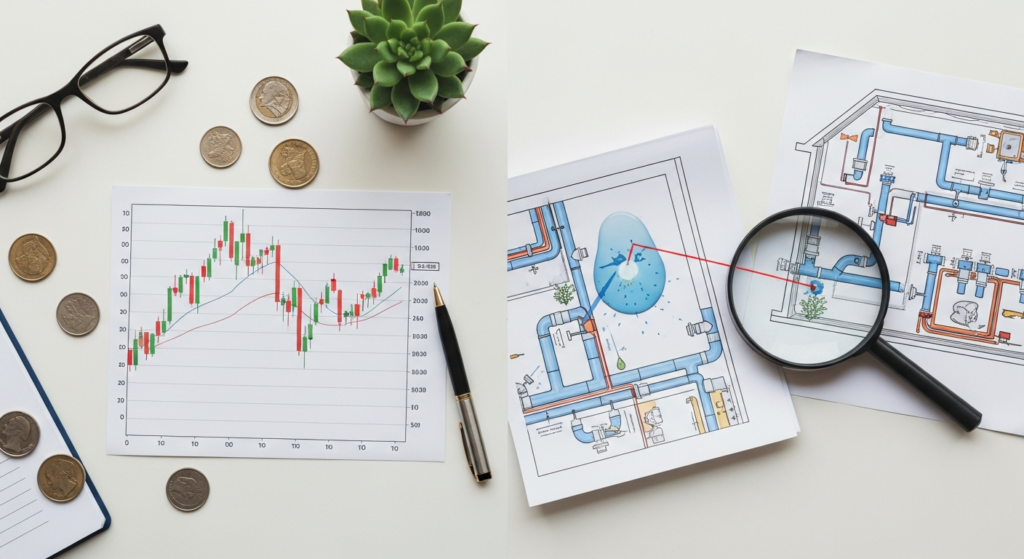
The Hidden Dangers of Undetected Water Leaks
Undetected water leaks are far more than just an annoyance; they are a significant threat to your property, your finances, and even your health. The insidious nature of these leaks means they often operate out of sight, steadily causing damage that compounds over time, leading to much larger, more expensive problems down the line. Understanding these dangers is the first step in appreciating the value of professional intervention.
Structural Damage: A Foundation Under Threat
Perhaps the most severe consequence of a hidden water leak is the structural damage it can inflict. Water seeping into walls, floors, and foundations can weaken building materials over time. Wooden beams can rot, drywall can soften and crumble, and concrete foundations can crack and shift. What starts as a small drip can eventually compromise the structural integrity of your entire home, leading to sagging floors, warped ceilings, and even significant foundation repair costs that can run into tens of thousands of dollars. Such extensive repairs are not only financially crippling but can also render parts of your home uninhabitable during the process.
Escalating Water Bills: A Drain on Your Finances
One of the earliest and most common indicators of a hidden leak is an unexplained spike in your water bill. A continuous drip, even a seemingly minor one, can waste hundreds or even thousands of gallons of water per month. This isn’t just an environmental concern; it’s a direct attack on your household budget. For homeowners striving to implement important financial concepts everyone should understand, such as budgeting and expense management, an out-of-control water bill due to a leak can completely derail their efforts. Imagine paying for water that never even reaches your faucet or appliance, instead slowly eroding your property and your savings. Professional leak detection can pinpoint these costly hidden leaks, stopping the financial bleed and helping you regain control of your utility expenses.
Mold and Mildew Growth: A Health Hazard
Water-damaged areas provide the perfect breeding ground for mold and mildew. These fungi thrive in damp, dark environments and can quickly spread throughout your home, often hidden behind walls or under flooring. Beyond the unpleasant musty odors, mold exposure can lead to a host of health issues, including respiratory problems, allergies, asthma attacks, skin irritation, and other chronic conditions, particularly for children, the elderly, and individuals with compromised immune systems. Remediation of extensive mold growth is a specialized, costly process, often requiring professional removal services to ensure complete eradication and prevent recurrence. Ignoring this aspect of home maintenance can have dire consequences for your family’s well-being.
Damage to Personal Belongings and Aesthetics
Beyond structural elements, water leaks can ruin furniture, electronics, carpets, irreplaceable documents, and cherished personal items. Imagine a pipe bursting in an attic and saturating your stored photo albums or seeping into the ceiling above your expensive home theatre system. The aesthetic damage is also significant, with water stains, peeling paint, bubbling wallpaper, and warped flooring diminishing your home’s appearance and market value. These losses, while sometimes covered by insurance, often come with deductibles and the irreplaceable loss of sentimental items.
Pest Infestations: Unwanted Guests
Damp environments created by leaks are highly attractive to various pests, including cockroaches, termites, carpenter ants, and rodents. These creatures seek out moisture for survival and can cause additional damage to your home’s structure and wiring, creating further health risks and requiring yet another layer of expensive professional intervention to eradicate. Addressing the leak promptly eliminates their water source, making your home less hospitable to these unwelcome invaders.
Why Professional Leak Detection is Superior to DIY

When faced with the suspicion of a water leak, many homeowners might first consider a do-it-yourself approach. While admirable for minor, visible issues, relying solely on DIY methods for complex or hidden leaks is often a false economy. Professional leak detection services offer a level of expertise, technology, and precision that simply cannot be replicated by the average homeowner, making them an indispensable investment.
Limitations of DIY Methods
DIY leak detection typically involves visual inspections, listening for dripping sounds, or monitoring your water meter for unexplained usage. While these methods can sometimes identify obvious leaks, they are largely ineffective for hidden leaks behind walls, under floors, within foundations, or underground. Without specialized tools, homeowners often resort to guesswork, which can lead to unnecessary damage from exploratory demolition (e.g., cutting into walls) or, worse, failing to find the leak at all, allowing the damage to continue unchecked. Furthermore, misdiagnosing the source of a leak can lead to wasted time and money on incorrect repairs, prolonging the problem and increasing overall costs.
Expertise and Experience
Professional leak detection technicians are not just plumbers; they are specialists trained specifically in the science and art of locating leaks. They possess an in-depth understanding of complex plumbing systems, building structures, and the various ways water can travel and manifest damage. Their experience allows them to quickly narrow down potential leak areas, interpret subtle signs that an untrained eye would miss, and apply the most effective detection methods for specific situations. This specialized knowledge means less time spent searching and a higher probability of accurate identification on the first attempt.
Accuracy and Efficiency
The primary advantage of professional services is their unparalleled accuracy. They can pinpoint the exact location of a leak, whether it’s a pinhole in a pipe behind a tile wall or a break in a main water line buried several feet underground. This precision is crucial because it minimizes the need for destructive exploratory work. Instead of tearing apart large sections of your home, technicians can often isolate the problem to a small, manageable area, significantly reducing repair time, material costs, and inconvenience. Their efficiency means your leak can be found and addressed quickly, preventing further damage and restoring your peace of mind sooner.
Preventing Further Damage
Amateur attempts at leak detection and repair can often exacerbate the problem. Incorrectly patching a pipe, failing to identify all leak points, or causing collateral damage during a search can lead to more extensive and costly repairs down the line. Professionals not only locate the leak but can also advise on the best repair strategies, ensuring that the problem is resolved completely and effectively, preventing future recurrence and saving you from larger headaches and expenses. This proactive approach is a cornerstone of smart home ownership, much like understanding easy ways to save big on expensive purchases often involves investing in quality and durability upfront to avoid frequent replacements.
Advanced Technologies Used by Professionals
Acoustic Listening Devices
One of the most common and effective tools in a leak detection specialist’s arsenal is acoustic listening equipment. This includes highly sensitive ground microphones and sensors designed to amplify the sound of water escaping from pipes. Water under pressure creates a distinct sound as it exits a pipe, whether it’s a hiss, a drip, or a gurgle. These devices can detect these subtle sounds through concrete, soil, and walls, allowing technicians to trace the sound to its loudest point, indicating the exact location of the leak. Advanced correlators can even compare sound patterns from two sensors placed at different points on a pipe to triangulate the leak’s position.
Thermal Imaging Cameras (Infrared)
Thermal imaging cameras are invaluable for detecting leaks within walls, ceilings, and under floors without needing to open them up. These cameras visualize temperature differences. Escaping water, especially from hot water pipes, will create a distinct thermal signature on surrounding surfaces. Even cold water leaks can be detected as they cool the surrounding materials. By identifying these temperature anomalies, technicians can quickly narrow down the search area and visualize the path of the moisture, making the leak much easier to locate and confirm.
Moisture Meters
Moisture meters are used to confirm the presence of moisture in building materials like drywall, wood, and concrete. While they don’t locate the leak directly, they are crucial for mapping out the extent of water damage and confirming that a suspected area is indeed damp. By measuring the moisture content of various surfaces, technicians can identify the spread of the leak and determine which areas need further investigation or remediation.
Tracer Gas Detection
For particularly challenging or deeply hidden leaks, especially in complex pipe networks or radiant heating systems, tracer gas detection is employed. A safe, non-toxic gas (typically a mixture of hydrogen and nitrogen) is introduced into the pipe system. This gas is lighter than air and can escape through even the smallest cracks or pinholes in pipes. Specialized gas detectors are then used to sniff out where the gas is escaping from the ground or through walls, leading directly to the leak source. This method is incredibly precise and effective for leaks that are difficult to detect with other technologies.
Borescopes and Inspection Cameras
When pipes are accessible but hidden from view, such as within drain lines or wall cavities, flexible borescope cameras are used. These tiny, waterproof cameras on long, flexible cables can be snaked through pipes or small access holes to provide a visual inspection of the interior of pipes or hidden spaces. This allows technicians to see the exact condition of the pipes, identify cracks, blockages, or corrosion, and visually confirm the presence of a leak without extensive demolition.
Hydrostatic Testing
For certain plumbing systems, especially sewer lines or specific sections of water supply lines, hydrostatic testing may be used. This involves isolating a section of pipe and pressurizing it with water or air, then monitoring pressure gauges for drops that indicate a leak. While this method doesn’t pinpoint the exact location, it confirms the presence of a leak within a specific segment, allowing other tools to then be used for precise localization.
By combining these advanced technologies with their expertise, professional leak detection services in 2026 offer a non-invasive, accurate, and efficient solution to a problem that homeowners often dread. This investment in technology translates directly into saved time, reduced damage, and lower overall repair costs for you.
The Financial Benefits: Saving Money in the Long Run
At first glance, the cost of a professional leak detection service might seem like an added expense. However, when viewed through the lens of long-term financial planning, it quickly becomes clear that this is not an expense but a critical investment that yields significant savings. Preventing major damage and mitigating ongoing costs makes professional leak detection one of the smartest financial decisions a homeowner can make.
Preventing Costly Repairs
The most direct financial benefit of professional leak detection is avoiding catastrophic repair bills. As discussed, undetected leaks can lead to extensive structural damage, foundation issues, electrical hazards, and widespread mold growth. Repairing a compromised foundation can cost upwards of $10,000 to $50,000 or more. Extensive mold remediation can range from a few thousand to over $30,000, depending on the severity and spread. Replacing large sections of plumbing, flooring, or drywall due to water damage also accumulates rapidly. By identifying and addressing a small leak early, you prevent it from escalating into these monumental and financially debilitating problems. This aligns perfectly with the principle of easy ways to save big on expensive purchases: a small, preventative investment now can save you from a massive, emergency expense later.
Lowering Water Bills Significantly
A persistent leak, even a slow drip, can waste thousands of gallons of water per month, leading to surprisingly high utility bills. Imagine a toilet leak that wastes 200 gallons a day – that’s 6,000 gallons a month, which can add significant dollars to your monthly statement. Multiply that over a year or two, and you’ve literally poured hundreds, if not thousands, of dollars down the drain for water you never used productively. Professional leak detection quickly identifies these invisible money pits, stopping the waste and bringing your water bills back down to normal levels. The savings on utility bills alone can often offset the cost of the detection service within a relatively short period.
Avoiding Insurance Premium Hikes or Denied Claims
While homeowners’ insurance often covers sudden and accidental water damage, it typically does not cover damage resulting from long-term neglect or slow leaks that should have been detected and repaired. If an insurance adjuster determines that the damage was preventable and occurred over an extended period due to an unaddressed leak, your claim might be denied or significantly reduced. Even if a claim is approved, filing multiple water damage claims can lead to increased premiums or even policy cancellation. Proactive leak detection helps you avoid these insurance pitfalls by addressing problems before they become catastrophic and fall under the “neglect” clause, thereby protecting your insurance record and keeping your premiums stable. This is similar to understanding how to save money on your life insurance policy by maintaining good health and a low-risk lifestyle; preventative action leads to financial stability.
Maintaining Property Value
A home with a history of water damage, especially if not fully remediated, can significantly decrease its market value. Buyers are wary of properties with signs of mold, structural issues, or persistent dampness. Undetected leaks can lead to irreversible damage that leaves lasting scars on your home’s appearance and integrity, making it less attractive to potential buyers and forcing you to lower your asking price. By investing in professional leak detection and timely repairs, you maintain your home’s pristine condition, protecting its market value and ensuring a better return on your investment when it’s time to sell.
Peace of Mind
While not a direct monetary saving, the peace of mind that comes from knowing your home is free from hidden leaks has immense value. The constant worry about potential damage, rising bills, or health hazards can be a significant source of stress. Professional leak detection eliminates this uncertainty, allowing you to relax and enjoy your home without the looming threat of a hidden catastrophe. This psychological benefit, while intangible, contributes significantly to your overall well-being and satisfaction as a homeowner.
Protecting Your Property and Health
The benefits of professional leak detection extend far beyond just financial savings. They encompass the fundamental protection of your home’s physical structure, the preservation of your family’s health, and the overall quality of your living environment. These aspects are often overlooked until a crisis hits, but proactive measures can safeguard both your property and well-being for years to come.
Safeguarding Structural Integrity
Your home’s structural integrity is its backbone. Water leaks, especially those that go unnoticed for extended periods, can relentlessly attack this foundation. Wood framing can rot, steel supports can corrode, and concrete slabs can crack and shift. Over time, this degradation can lead to severe structural weaknesses, manifesting as sagging floors, bowing walls, or even partial collapses. Such damage not only requires incredibly expensive and disruptive repairs but can also render your home unsafe. Professional leak detection identifies these threats early, allowing for targeted repairs that preserve the long-term stability and safety of your property, ensuring it remains a secure haven for your family.
Preventing Mold-Related Illnesses
As previously mentioned, hidden water leaks create the ideal conditions for mold and mildew proliferation. Beyond the visible unsightly growth and musty odors, mold spores released into the air can be a serious health hazard. Exposure to mold can trigger or exacerbate a range of health issues, including:
- Respiratory Problems: Chronic coughs, wheezing, shortness of breath, and asthma attacks.
- Allergies: Nasal stuffiness, throat irritation, eye irritation, and skin rashes.
- Headaches and Fatigue: Some individuals report these symptoms when exposed to mold.
- Serious Infections: For individuals with compromised immune systems, mold exposure can lead to severe lung infections.
Children, the elderly, and those with pre-existing respiratory conditions are particularly vulnerable. Professional leak detection eliminates the moisture source that allows mold to thrive, preventing its growth and protecting your family from these potential health risks. This proactive health measure is an invaluable investment in your family’s well-being.
Preserving Indoor Air Quality
A healthy home environment hinges on good indoor air quality. Water leaks, especially those leading to mold or mildew growth, significantly degrade this quality. Mold spores, bacterial growth, and volatile organic compounds (VOCs) released by damp materials can contaminate the air you breathe, contributing to a “sick building syndrome.” This can manifest as persistent odors, reduced comfort, and health complaints among occupants. By swiftly identifying and remediating leaks, professional services help maintain clean, fresh indoor air, creating a healthier and more pleasant living space for everyone.
Protecting Valuables and Sentimental Items
Beyond the structural elements, your home contains a lifetime of memories and investments. Furniture, electronics, art, photographs, documents, and heirlooms are all susceptible to water damage. A leak in an attic can destroy stored family treasures, while a pipe burst can ruin expensive electronics and artwork. Many of these items are irreplaceable due to sentimental value or high cost. Professional leak detection acts as an early warning system, giving you the chance to address the leak before it has a chance to damage your cherished possessions, thereby protecting both your financial investments and your personal history.
Ensuring Peace of Mind
Perhaps one of the most underrated benefits is the peace of mind that comes with a professionally inspected, leak-free home. The constant worry about a potential hidden problem, the stress of unexplained high water bills, or the concern for your family’s health due to mold can be emotionally taxing. Knowing that your home’s water systems have been thoroughly checked by experts, and any potential issues have been identified and addressed, allows you to relax and enjoy your living space without a lingering sense of dread. This intangible benefit contributes significantly to your overall quality of life and sense of security in your home.
When to Call the Professionals: Signs You Need Expert Help
While many leaks are hidden, your home often provides subtle clues that something is amiss. Learning to recognize these warning signs can empower you to call for professional help before a minor issue escalates into a major catastrophe. Being vigilant and proactive can save you significant time, money, and stress in 2026 and beyond.
Unexplained Spike in Water Bill
This is often the most common and earliest indicator of a hidden leak. If your water usage habits haven’t changed, but your monthly water bill suddenly increases significantly, it’s a strong sign that water is being wasted somewhere in your system. Even a small, continuous leak can add hundreds of gallons to your monthly consumption. Don’t dismiss this as a fluke; investigate promptly.
Visible Mold or Mildew Growth
Mold and mildew thrive in damp environments. If you notice patches of mold or mildew appearing on walls, ceilings, floors, or in unusually damp areas of your home where they weren’t before, especially outside of typical high-humidity zones like bathrooms, it’s a clear sign of persistent moisture. This moisture is often a direct result of a hidden leak, providing a breeding ground for these fungi.
Musty or Damp Odors
Even if you don’t see visible mold, a persistent musty, earthy, or damp smell in certain areas of your home can indicate hidden mold growth or chronic dampness caused by a leak. These odors are often more pronounced in basements, crawl spaces, or near walls where water might be accumulating unseen.
Stains on Walls, Ceilings, or Floors
Water stains, discoloration, or damp spots on interior walls, ceilings, or floors are undeniable evidence of a leak. These stains can range from light yellowish rings to dark brown patches, often expanding over time. Even if the stain appears dry, it indicates a past or intermittent leak that needs to be located and fixed to prevent future damage.
Peeling Paint or Bubbling Wallpaper
Moisture behind walls can cause paint to bubble, crack, or peel, and wallpaper to lift or blister. This happens as the water saturates the drywall or plaster, causing the surface coatings to lose adhesion. If you observe these changes without an obvious external cause, a hidden pipe leak is a very likely culprit.
Sound of Running Water When No Fixtures Are On
If you hear the faint sound of running water, dripping, or trickling when all faucets are off, toilets are not flushing, and appliances like washing machines or dishwashers are not operating, it’s a strong indication of a leak within your plumbing system. This sound might be more noticeable late at night when ambient noise is minimal.
Sudden Drop in Water Pressure
While a drop in water pressure can be due to various issues, if it’s accompanied by other signs of a leak, it could indicate a significant breach in your supply line. As water escapes through a leak, it reduces the pressure available at your fixtures.
Warped Floors or Damp Carpets
Hardwood floors can warp, buckle, or cup, and laminate flooring can swell and lift when exposed to prolonged moisture. Carpets in specific areas might feel unusually damp or squishy underfoot, even if there’s no visible spill. These are clear signs that water is seeping up from below or spreading from a nearby source.
Foundation Cracks or Shifting Soil
For leaks in underground pipes or sewer lines, you might notice cracks appearing in your home’s foundation or driveway, or unexplained damp spots and shifting soil in your yard. Persistent saturation of the soil around your foundation can lead to its gradual erosion or expansion, causing structural stress.
If you observe one or more of these signs, do not delay. Contacting a professional leak detection service promptly can prevent minor issues from escalating into costly repairs, protecting your home and your financial well-being.
Choosing the Right Professional Service for 2026
Selecting a professional leak detection service is a critical decision that can significantly impact the outcome of your leak problem and the long-term health of your home. With numerous providers available in 2026, knowing what to look for ensures you hire a reputable, effective, and trustworthy company. Here’s a guide to making an informed choice:
Credentials and Licensing
Experience and Reputation
Look for companies with a proven track record of successful leak detection. Experience in handling various types of leaks (slab leaks, pipe leaks, sewer leaks, etc.) and different plumbing systems is crucial. Check online reviews on platforms like Google, Yelp, or industry-specific sites. Pay attention to comments regarding their accuracy, professionalism, timeliness, and customer service. A company with a strong, positive reputation is usually a reliable choice.
Technology Used
As highlighted earlier, advanced technology is key to non-invasive and accurate leak detection. Inquire about the specific equipment they use (e.g., acoustic listening devices, thermal imaging cameras, tracer gas detection, borescopes). A reputable company will invest in state-of-the-art tools and have technicians trained in their operation. Avoid services that rely solely on outdated or rudimentary methods, as these may lead to more destructive and less accurate results.
Transparent Pricing and Estimates
Before any work begins, ensure you receive a clear, detailed estimate that outlines the cost of the detection service. Understand what is included in the price – is it a flat fee for detection, or does it vary by time or complexity? Ask about any potential additional charges, such as for extensive diagnostic work or emergency call-outs. A trustworthy company will be transparent about its pricing structure and avoid hidden fees. While cost is a factor, remember that the cheapest option isn’t always the best; value often comes from accuracy and efficiency that prevents further damage.
Insurance and Warranties
Confirm that the company carries adequate liability insurance. This protects you in case of any accidental damage to your property during the detection process. Additionally, inquire if they offer any warranties or guarantees on their detection services. While they may not guarantee the repair itself (as that’s often a separate service), a reputable company might guarantee their ability to accurately locate the leak.
Emergency Services
Water leaks don’t always happen during business hours. A burst pipe at 2 AM requires immediate attention. Check if the company offers 24/7 emergency services. Knowing you have a reliable resource for urgent situations provides immense peace of mind.
Customer Service and Communication
Assess their responsiveness and communication style from your initial contact. Do they answer your questions thoroughly? Are they polite and professional? Good customer service, clear explanations, and timely updates are indicators of a well-run business that values its clients. You want a team that can clearly explain the problem, the detection process, and the recommended next steps.
By carefully evaluating these factors, you can confidently choose a professional leak detection service in 2026 that will efficiently and accurately identify any hidden water leaks, protecting your home and your investment for years to come.
Frequently Asked Questions
Recommended Resources
Learn more about this topic in Ecommerce Analytics Guide What To Track at E-ComProfits.
Learn more about this topic in What Is Account Based Marketing (Abm) at Kacerr.