
Trading Journal Software Compared for Active Traders
The Indispensable Role of a Trading Journal in Performance Analytics for Strategic Growth
In the fast-paced world of active trading, where milliseconds can dictate outcomes and emotional biases often cloud judgment, a systematic approach to performance analysis is not merely beneficial—it’s essential. This is precisely the core function of a dedicated trading journal. It moves beyond simply recording entries and exits, evolving into a powerful engine for strategic growth and self-improvement. Imagine a scenario where a trader consistently identifies seemingly profitable setups but struggles with execution or position sizing. Without a detailed record, these recurring issues might remain hidden, masked by overall market movements or a few lucky trades. A well-maintained trading journal, however, brings these patterns to light, transforming anecdotal observations into quantifiable data.
The primary benefit of robust performance analytics is the ability to objectively assess one’s trading edge. An “edge” in trading refers to a statistical advantage that allows a trader to profit over a series of trades. Without a journal, determining if you truly have an edge, or if your results are simply random, is impossible. Modern trading journal software automatically calculates critical metrics such as win rate, average profit per winning trade, average loss per losing trade, profit factor, and expectancy. For instance, knowing your win rate is 55% but your average loss is twice your average win immediately highlights a critical flaw in your strategy or risk management, even if your overall win rate seems respectable. Conversely, a lower win rate of 40% might still be highly profitable if your average win significantly outweighs your average loss, demonstrating a strong positive expectancy.
Key Features to Look for in Trading Journal Software: Beyond Basic Logging for Enhanced Insights
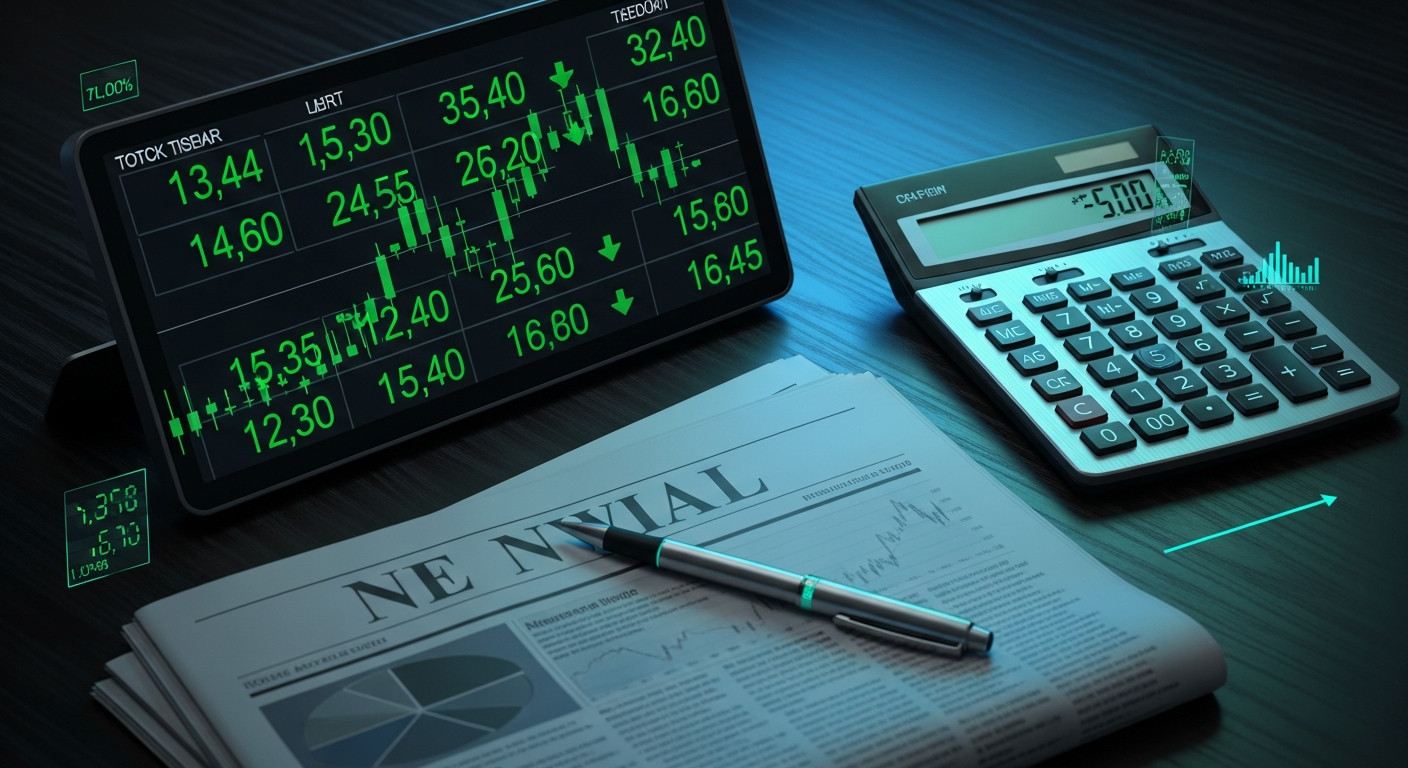
While the core function of any trading journal is to record trades, the true value of specialized software lies in its advanced features that go significantly “beyond basic logging.” For active traders, these sophisticated functionalities are what transform a simple record into a powerful analytical engine. When evaluating trading journal software for active traders, look for platforms that offer a comprehensive suite of tools designed to streamline data entry, provide deep insights, and support continuous improvement.
One of the most critical features is **Automated Trade Import**. Manually entering every trade, especially for high-frequency or active day traders, is time-consuming and prone to errors. Leading software solutions offer direct integration with popular brokers (e.g., Interactive Brokers, TD Ameritrade, Fidelity, Charles Schwab) via API or allow for easy upload of trade history files (CSV, Excel). This automation ensures accuracy and frees up valuable time, allowing traders to focus on analysis rather than data entry. For instance, a platform that automatically imports your trades from a broker like Fidelity or Vanguard (for ETFs/stocks) can save hours each week.
**Advanced Analytics and Custom Metrics** are paramount. A good journal won’t just tell you your win rate; it will break down performance by strategy, market condition, time of day, asset class, and even specific entry/exit signals. Look for features that calculate metrics such as profit factor, expectancy, average R (risk unit) multiples, maximum drawdown, and streak analysis. The ability to create custom metrics or filters, such as “trades taken on Tuesdays with high volatility” or “trades using a specific EMA crossover strategy,” allows for highly targeted performance review. Visualizations like equity curves, daily P&L charts, and distribution graphs (e.g., profit/loss by time of day) are also invaluable for quickly grasping performance trends and identifying psychological biases.
**Psychological Tracking and Note-Taking Capabilities** are often overlooked but incredibly important. Trading is as much a mental game as it is a strategic one. Software that allows traders to record their emotional state, pre-trade biases, and post-trade reflections directly alongside each trade entry provides critical context. Did you chase a trade out of fear of missing out (FOMO)? Did you cut a winner short due to anxiety? Documenting these psychological elements can reveal patterns of emotional trading that undermine profitability. Some advanced platforms even offer sentiment analysis or prompts to encourage deeper self-reflection.
Finally, consider **Robust Reporting and Export Options**. The ability to generate detailed performance reports in various formats (PDF, CSV) is crucial for sharing with mentors, accountants, or for personal record-keeping. Some software also offers features like simulated trading accounts for backtesting or integration with other analytical tools, further enhancing their utility. The SEC emphasizes the importance of maintaining accurate records for all financial transactions, and a robust journal with good reporting capabilities aligns perfectly with this guidance, ensuring transparency and accountability in your trading activities.
Top Trading Journal Software Platforms: A Detailed Overview and Comparison for Active Traders
Choosing the right trading journal software for active traders is a critical decision that can significantly impact a trader’s analytical capabilities and ultimately, their profitability. While many options exist, a few platforms consistently stand out for their robust features, user-friendliness, and comprehensive analytics. Here, we provide a detailed overview and comparison of some of the leading contenders, highlighting their strengths and target users.
Tradervue
Tradervue is often considered the gold standard for stock, options, and futures traders due to its powerful analytics and ease of use. It offers seamless trade import from a wide array of brokers, including popular platforms like Interactive Brokers, TD Ameritrade (now Schwab), E*TRADE, and Fidelity. Its strength lies in its ability to break down performance by instrument, strategy, time of day, and custom tags. Traders can easily view detailed statistics like win rate, average profit/loss, profit factor, and expectancy. A standout feature is the ability to review trades directly on charts, annotate them with notes and drawings, and even share them with a community (if desired). Tradervue also provides robust reporting, including tax-related summaries. Pricing typically ranges from a free basic plan (limited imports) to professional plans at $29-$49 per month, making it accessible for various levels of active traders.
Edgewonk
Edgewonk distinguishes itself with a strong focus on trade psychology and advanced data analysis designed to pinpoint a trader’s specific weaknesses. It’s particularly popular among forex and futures traders but supports all asset classes. Beyond standard metrics, Edgewonk delves into behavioral patterns, allowing traders to log their emotional state, decision-making quality, and adherence to their trading plan. The software then provides “feedback loops” and “tilt meters” to highlight areas where psychological biases are impacting performance. Its “simulation mode” allows traders to backtest strategies against their own historical data. While it may require a bit more manual input or specific broker file formats for import, its deep psychological insights are unparalleled. Edgewonk operates on a one-time purchase model for its software license, typically ranging from $199 to $299, or a subscription model at around $15-$25 per month, which some traders prefer for long-term use.
Journalytix (by Tradeciety)
Journalytix, another offering from the Tradeciety team (who also developed Edgewonk), aims for a more streamlined, cloud-based experience with a strong emphasis on actionable insights. It offers automated trade import for many brokers and a clean, intuitive interface. Journalytix excels at visualizing performance data, offering customizable dashboards and charts that highlight key metrics and trends. It also incorporates psychological tracking elements, allowing traders to rate their trade quality and emotional state. The platform’s focus is on providing clear, concise feedback to help traders quickly identify and correct mistakes. Journalytix is typically subscription-based, with plans ranging from $19 to $39 per month, offering a good balance of features and affordability for active stock, forex, and crypto traders.
Chartlog
Chartlog is gaining traction, particularly among day traders and swing traders of stocks and options, for its highly visual and chart-centric approach. It integrates directly with popular trading platforms and brokers, automatically importing trades and plotting them directly onto charts. This visual feedback is incredibly powerful, allowing traders to see exactly where they entered and exited, alongside their notes and market context. Chartlog offers robust analytics, including performance breakdowns by setup, time of day, and market conditions. Its strength lies in its intuitive visual review process, which helps traders quickly identify patterns in their chart execution. Pricing for Chartlog is generally in the $20-$40 per month range, making it competitive for traders who prioritize visual analysis and seamless broker integration.
Each of these platforms offers unique advantages. Tradervue is excellent for comprehensive statistics and chart annotations. Edgewonk is unmatched for psychological analysis. Journalytix provides a balanced, user-friendly experience with strong insights. Chartlog excels in visual trade review. The best choice ultimately depends on a trader’s specific needs, trading style, and budget, but all offer significant upgrades over manual journaling methods.
Integrating Trading Journal Software with Brokers and Tax Reporting for Seamless Operation

For active traders, efficiency and accuracy are paramount, not just in executing trades but also in managing the administrative and compliance aspects. This is where the seamless integration of trading journal software for active traders with brokerage accounts and its utility in tax reporting become invaluable. Manual data entry is not only time-consuming but also prone to human error, which can lead to miscalculations in performance analysis and, more critically, incorrect tax filings.
**Broker Integration:** The most significant efficiency gain comes from automated trade import. Leading trading journal software platforms offer direct API (Application Programming Interface) connections or robust CSV/Excel import functionalities for a wide range of popular brokers. For instance, platforms like Tradervue and Chartlog boast integrations with major U.S. brokers such as Interactive Brokers, Charles Schwab (formerly TD Ameritrade), Fidelity, E*TRADE, and even some crypto exchanges. This automation means that once connected, your executed trades—including entry/exit prices, commissions, fees, and timestamps—are automatically pulled into your journal. This not only saves hours of manual work but also ensures that every single trade is accurately recorded, providing a complete and reliable dataset for analysis. Before choosing software, it’s crucial to verify its compatibility with your primary brokerage accounts. Some platforms may offer more direct integrations, while others might require a slightly more manual process of downloading a trade history file from your broker and uploading it.
**Streamlining Tax Reporting:** The IRS has specific and often complex rules for reporting trading activity, especially for active traders. Issues like wash sales, short-term vs. long-term capital gains/losses, and the treatment of various financial instruments (stocks, options, futures) can make tax season a daunting task. A robust trading journal software significantly simplifies this process.
Firstly, it provides a centralized, organized record of all trades, including detailed profit and loss statements. This is invaluable when preparing Form 8949, Sales and Other Dispositions of Capital Assets, and Schedule D, Capital Gains and Losses. Many journal platforms can generate reports specifically tailored for tax purposes, summarizing total gains/losses, commissions paid, and sometimes even identifying potential wash sales. A wash sale, as defined by the IRS, occurs when you sell or trade stock or securities at a loss and, within 30 days before or after the sale, you buy substantially identical stock or securities. The loss from a wash sale is generally not deductible, and this rule can be particularly tricky for active traders with frequent transactions. A good trading journal can help flag these instances, preventing costly errors or audits.
For example, if you’re an active trader with hundreds or thousands of transactions annually, manually calculating your cost basis and identifying wash sales can be a nightmare. Software that automatically tracks these details and provides a clean summary report can save significant time and potential professional accounting fees. While the software does not replace a qualified tax professional, it provides them with an organized, accurate dataset to work from, making their job easier and potentially reducing your accounting costs. The IRS mandates that taxpayers maintain adequate records to support the income, deductions, and credits claimed on their tax returns, and a trading journal fulfills this requirement perfectly for your trading activities.
Cost-Benefit Analysis: Free vs. Premium Trading Journal Solutions for Optimal Value
When considering trading journal software for active traders, one of the primary considerations is often cost. A spectrum of solutions exists, ranging from entirely free options to sophisticated premium platforms, each offering a different level of functionality and analytical depth. A thorough cost-benefit analysis is crucial to ensure that the chosen solution provides optimal value for a trader’s specific needs and budget.
Free Trading Journal Solutions
Free options typically include manual methods like spreadsheets (e.g., Microsoft Excel, Google Sheets) or basic online platforms that offer limited features.
**Benefits:**
- **Zero monetary cost:** This is the obvious advantage, especially for beginner traders with limited capital or those who are just exploring the concept of journaling.
- **Customization:** Spreadsheets offer unparalleled flexibility. You can design them exactly to your specifications, adding any columns or calculations you deem necessary.
- **Learning curve:** Starting with a manual journal can help a trader understand the fundamental data points that are important to track before investing in more complex software.
**Drawbacks:**
- **Time-consuming:** Manual data entry for every trade, especially for active traders with dozens or hundreds of transactions daily, is incredibly time-intensive and tedious.
- **Prone to error:** Human error in data entry or formula creation can lead to inaccurate analytics.
- **Limited analytics:** While you can build some basic calculations, advanced analytics like profit factor, expectancy, drawdown, and detailed strategy breakdowns are difficult and time-consuming to implement in a spreadsheet. Visualizations are also basic.
- **No automated import:** Requires manual input of all trade details, including commissions and fees.
- **Lack of psychological tracking:** Difficult to integrate emotional notes or subjective trade quality assessments systematically.
For a trader making only a few trades a week, a free solution might suffice initially. However, for genuinely active traders, the time sink and analytical limitations quickly become a significant opportunity cost.
Premium Trading Journal Solutions
Premium software (e.g., Tradervue, Edgewonk, Journalytix, Chartlog) typically ranges from $15 to $50 per month, or offers one-time purchase options.
**Benefits:**
- **Automated trade import:** Saves immense time and ensures data accuracy by integrating directly with brokerage accounts.
- **Advanced analytics:** Provides deep insights into performance metrics, strategy effectiveness, market conditions, and psychological biases.
- **Data visualization:** Offers intuitive charts, graphs, and dashboards for quick comprehension of performance trends.
- **Psychological tracking:** Dedicated features for logging emotional states, adherence to plans, and identifying behavioral patterns.
- **Tax reporting assistance:** Can generate reports that simplify tax preparation, potentially saving accounting fees.
- **Continuous development:** Premium services often receive regular updates, new features, and customer support.
- **Focus on trading:** By automating tedious tasks, traders can spend more time on analysis and strategy development, which is their core competency.
**Drawbacks:**
- **Monetary cost:** Requires a recurring subscription or an upfront investment.
- **Learning curve:** Some advanced platforms may take time to fully master their features.
**Return on Investment (ROI):** The cost of premium software, while an expense, should be viewed as an investment in one’s trading education and performance. Consider a trader with a $50,000 account who invests $30/month ($360/year) in a journal. If the software helps them identify and correct a single recurring mistake that costs them just 1% of their account annually, they’ve already saved $500, making the software pay for itself. If it helps improve their edge by even a fraction of a percentage, the ROI can be substantial. For instance, if a journal helps a trader improve their profit factor from 1.2 to 1.5, this could translate into thousands of dollars in additional annual profits, vastly outweighing the subscription cost. Vanguard and Fidelity often highlight the importance of understanding and minimizing costs to maximize net returns, and while this software is a cost, its potential to enhance gross returns and reduce behavioral errors makes it a strategic investment.
In conclusion, while free options can serve as a starting point, active traders committed to continuous improvement and maximizing their edge will find the comprehensive features and time-saving automation of premium trading journal software to be a highly worthwhile investment.
Leveraging Advanced Analytics and Psychological Tracking for a Definitive Trading Edge
The journey from a novice trader to a consistently profitable one often hinges on two critical pillars: sophisticated analytical capabilities and profound self-awareness, particularly concerning psychological biases. Modern trading journal software for active traders is no longer just about logging trades; it’s about providing advanced analytics and psychological tracking tools that offer a definitive edge in the markets.
**Advanced Analytics: Unearthing Deeper Insights**
Beyond basic metrics like win rate and average P&L, advanced analytics in trading journal software delve into the nuances of performance. This includes features such as:
- **Expectancy Calculation:** This metric tells you, on average, how much you can expect to win or lose per dollar risked. A positive expectancy, for example, 0.25, means you expect to make 25 cents for every dollar risked over a large sample of trades. This provides a clear, objective measure of your strategy’s long-term viability.
- **Profit Factor:** The ratio of gross profits to gross losses. A profit factor above 1.0 indicates profitability, with higher numbers signifying a more robust edge. For instance, a profit factor of 2.0 means you make $2 for every $1 you lose.
- **Drawdown Analysis:** Understanding your maximum drawdown (the peak-to-trough decline in your equity curve) and recovery time is crucial for risk management. Software can visualize these periods, helping traders assess their risk tolerance and adjust position sizing or strategy accordingly.
- **Performance by Specific Conditions:** Advanced journals allow filtering performance by market volatility, economic news events, time of day, day of the week, or even specific chart patterns. For example, a trader might discover their breakout strategy has an 80% win rate on high-volume mornings but only a 30% win rate during afternoon chop. This granular insight is incredibly powerful for optimizing strategy application.
- **R-Multiple Analysis:** This measures profit/loss in terms of initial risk (R). A trade that yields 2R means you made twice your initial risk. Tracking R-multiples helps standardize performance across trades, regardless of position size, and provides a clearer picture of your strategy’s efficiency.
These sophisticated metrics, often presented through interactive dashboards and customizable reports, allow traders to move beyond superficial observations and pinpoint exactly where their edge lies and where it erodes. The Federal Reserve and other financial institutions often stress the importance of data-driven decision-making in economic analysis, a principle that applies equally to individual trading performance.
**Psychological Tracking: Mastering the Inner Game**
Even with a statistically sound strategy, trading success can be derailed by psychological factors. Behavioral economics, pioneered by Nobel laureates like Daniel Kahneman, highlights how cognitive biases significantly impact financial decisions. Trading journal software helps mitigate these by:
- **Emotional Logging:** Allowing traders to record their emotional state (e.g., confident, anxious, frustrated, greedy) before, during, and after a trade. Over time, patterns emerge. For instance, a trader might find that trades taken while feeling “overconfident” after a winning streak tend to perform poorly.
- **Decision Quality Scoring:** Many platforms enable traders to rate the quality of their decision-making for each trade, independent of the outcome. A “good” trade might still lose, but if it followed the plan, it’s a positive learning experience. Conversely, a “bad” trade that accidentally wins can reinforce poor habits.
- **Adherence to Plan Metrics:** Tracking how often a trader sticks to their pre-defined trading plan (e.g., entry criteria, stop-loss placement, profit targets) is crucial. Deviations often lead to sub-optimal results. Software can highlight these deviations and their impact on P&L.
- **Identifying Cognitive Biases:** By systematically logging emotional and decision-making data, traders can identify common biases like confirmation bias (seeking information that confirms existing beliefs), loss aversion (holding onto losing trades too long), or overconfidence. For example, if a trader consistently notes “fear of missing out” (FOMO) before chasing breakouts that fail, the journal provides objective evidence of this detrimental bias.
By integrating these psychological insights with robust performance analytics, active traders gain a holistic view of their strengths and weaknesses. This dual approach fosters discipline, reduces emotional decision-making, and systematically builds a robust, sustainable trading edge—a critical component for navigating the complexities of the financial markets.
Choosing the Right Trading Journal Software for Your Trading Style and Goals: A Personalized Approach
The market offers a diverse array of trading journal software for active traders, each with its unique strengths and specialties. The “best” software isn’t a universal truth; rather, it’s the one that most effectively aligns with your individual trading style, specific goals, and current level of expertise. A personalized approach to selection is key to maximizing the utility and return on investment of your chosen tool.
**1. Assess Your Trading Style and Frequency:**
- **Day Traders/Scalpers:** If you execute dozens or even hundreds of trades daily, automated trade import from your broker is non-negotiable. Manual entry is simply not feasible. You’ll prioritize software with robust, real-time or near real-time integration capabilities and swift data processing. Platforms like Tradervue or Chartlog, with their focus on quick data ingestion and visual trade review, might be ideal.
- **Swing Traders/Position Traders:** For those holding trades for days or weeks, the volume of trades is lower, making manual entry or less frequent CSV uploads more manageable. However, the need for deep analytical insights into longer-term trends, strategy effectiveness over different market cycles, and psychological aspects related to patience and conviction remains high. Edgewonk’s emphasis on psychological tracking and Journalytix’s comprehensive analytics could be particularly beneficial.
- **Futures/Forex Traders vs. Stock/Options Traders:** Some software specializes in certain asset classes. Ensure the platform you choose fully supports the instruments you trade, including specific contract specifications, margin requirements, and fee structures.
**2. Define Your Primary Goals for Journaling:**
- **Performance Improvement:** If your main goal is to identify profitable strategies, optimize entry/exit points, and improve risk management, then robust analytical features (profit factor, expectancy, R-multiples, drawdown analysis) are paramount.
- **Psychological Mastery:** If you struggle with emotional trading, revenge trading, FOMO, or cutting winners short, software with dedicated psychological tracking, emotional logging, and decision-quality scoring will be most impactful. Edgewonk is a leader in this area.
- **Tax Compliance & Record Keeping:** For traders needing meticulous records for tax purposes, prioritize software that offers comprehensive reporting, tracks commissions/fees accurately, and can help identify wash sales.
- **Education & Learning:** If you’re a beginner, look for software that offers clear visualizations and perhaps even educational resources or community features to learn from others.
**3. Consider Integration and Customization Needs:**
- **Broker Compatibility:** As mentioned, verify that the software integrates seamlessly with your existing brokerage accounts. Most platforms offer a list of supported brokers.
- **Custom Metrics/Tags:** Can you create custom tags for strategies, market conditions, or psychological states? This flexibility allows for highly personalized analysis.
- **Chart Integration:** For visual learners, the ability to overlay trade entries/exits directly onto charts within the journal is a powerful feature, offered by platforms like Chartlog and Tradervue.
**4. Evaluate Your Budget and Time Commitment:**
- **Free vs. Premium:** While free options exist (like spreadsheets), their limitations in automation and advanced analytics quickly become a bottleneck for active traders. Premium software, typically costing $15-$50 per month, offers significant value in terms of time saved and insights gained.
- **Learning Curve:** Some advanced platforms have a steeper learning curve. Consider if you have the time and patience to fully utilize a complex system, or if a more intuitive, streamlined solution would be better suited. Many platforms offer free trials, which are excellent opportunities to test user-friendliness and feature sets.
**Actionable Next Steps:** Start by listing your top 3-5 priorities for a trading journal. Then, explore the free trials offered by 2-3 leading platforms that seem to align with those priorities. Engage with your own data, see how intuitive the interface is, and evaluate the depth of the insights provided. By taking this deliberate, personalized approach, you can select the right tool to support your growth as an active trader and consistently work towards your financial goals.
Key Takeaways for Active Traders
- Automated Data is Paramount: For active traders, automated trade import from brokers is essential to save time and ensure accuracy, making manual journaling impractical.
- Beyond Basic Metrics: Effective journal software provides advanced analytics like profit factor, expectancy, R-multiples, and drawdown analysis to pinpoint true trading edge and weaknesses.
- Psychological Insights are Crucial: Dedicated features for tracking emotional states and decision quality help identify and mitigate behavioral biases that undermine profitability.
- Streamlined Compliance: Good software aids significantly in tax reporting by organizing trade data, tracking fees, and helping identify complex scenarios like wash sales.
- Invest in Your Edge: While free options exist, premium trading journal software offers a strong ROI by enhancing performance, saving time, and fostering discipline, making it a strategic investment for serious active traders.
Trading Journal Software Comparison Table
| Software Name | Key Features | Pricing Range (Monthly) | Broker Integration | Best For |
|---|---|---|---|---|
| Tradervue | Automated import, advanced analytics (profit factor, expectancy), chart review, community sharing. | $29 – $49 (Free basic plan) |