Understanding Day Trading: The Fast-Paced Arena
Day trading is a speculative strategy where traders buy and sell financial instruments within the same trading day, with the goal of profiting from small price fluctuations. All positions are typically closed before the market closes to avoid overnight risk. This approach demands intense focus, rapid decision-making, and a deep understanding of market dynamics. It’s often romanticized as a quick path to riches, but the reality is far more challenging and carries significant risks.
Characteristics of Day Trading
- Short Time Horizon: Trades are opened and closed within minutes or hours, never extending beyond a single trading session.
- High Frequency: Day traders often execute dozens, sometimes hundreds, of trades daily.
- Leverage Use: Many day traders utilize margin to amplify their buying power, which also amplifies potential gains and losses.
- Focus on Technical Analysis: Chart patterns, indicators, volume, and price action are paramount, often overriding fundamental company news.
- Volatility Seeking: Day traders thrive on price swings, actively seeking out volatile assets.
The Allure and the Reality: Pros and Cons
The appeal of day trading is undeniable: the potential for quick profits, the excitement of active market engagement, and the freedom of being your own boss. Successful day traders can indeed achieve impressive returns, often making in a day what others earn in weeks or months. Furthermore, by closing all positions before market close, day traders avoid the risk of unexpected overnight news impacting their holdings.
However, the reality is stark. The vast majority of retail day traders lose money. Studies consistently show failure rates exceeding 80%, with many losing their entire capital within months. The cons are substantial:
- Extremely High Risk: The potential for rapid capital depletion is immense. A few bad trades can wipe out a significant portion of an account.
- Intense Stress and Emotional Toll: Constant monitoring, quick decisions, and the pressure of potential losses can lead to burnout, anxiety, and poor judgment.
- Significant Time Commitment: Day trading is a full-time job, requiring dedicated hours during market open, often with additional time for research and analysis outside trading hours.
- Steep Learning Curve: Mastering technical analysis, understanding market microstructure, and developing robust strategies takes years of practice and continuous learning.
- Substantial Capital Requirement: To generate meaningful income, day traders often need a significant starting capital. In the U.S., the Pattern Day Trader (PDT) rule requires a minimum of $25,000 equity in a margin account to execute more than three day trades in a rolling five-business-day period. Without this, trading opportunities are severely limited.
- High Transaction Costs: Frequent trading incurs significant commissions and fees, which can eat into profits, especially for smaller accounts.
- Tax Inefficiency: Short-term capital gains, which are the result of day trading profits, are taxed at ordinary income rates, which are typically higher than long-term capital gains rates.
Essential Tools and Skills for Day Trading
To even stand a chance in day trading, a trader needs:
- Advanced Trading Platform: With real-time data feeds, sophisticated charting tools, and rapid execution capabilities.
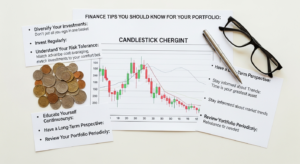
- Technical Analysis Proficiency: Deep understanding of indicators (moving averages, RSI, MACD), chart patterns (head and shoulders, flags), and candlestick analysis.
- Risk Management Strategy: Strict rules for position sizing, stop-loss orders, and profit targets are non-negotiable.
- Psychological Discipline: The ability to control emotions, stick to a plan, and avoid impulsive decisions is paramount. Overcoming fear and greed is a constant battle.
- Market Knowledge: Understanding how different markets (stocks, forex, futures) behave and what drives their short-term movements.
In essence, day trading is a professional endeavor, akin to a high-stakes competitive sport. It is not for the faint of heart, the undercapitalized, or those seeking a casual hobby. It demands unwavering dedication, continuous learning, and an iron will.
The Enduring Power of Long-Term Investing: Patience Pays Off

In stark contrast to day trading, long-term investing involves purchasing financial assets with the intention of holding them for an extended period, typically several years or even decades. The primary goal is to benefit from the asset’s appreciation in value over time, often coupled with dividends or interest payments. This strategy is rooted in the belief that quality assets will grow in value as underlying companies expand, economies develop, and inflation drives prices higher.
Characteristics of Long-Term Investing
- Long Time Horizon: Investments are held for periods ranging from 5 years to 30+ years, allowing time for compounding and market cycles to play out.
- Lower Frequency: Transactions are infrequent, involving initial purchases, periodic additions, and occasional rebalancing.
- Focus on Fundamental Analysis: Investors analyze a company’s financial health, management quality, competitive landscape, industry trends, and growth prospects.
- Diversification: Spreading investments across various asset classes, industries, and geographies to mitigate specific risks.
- Patience and Resilience: The ability to withstand market downturns and stick to the investment plan is crucial.
The Virtues of Patience: Pros and Cons
Long-term investing is often touted as the most reliable path to wealth creation for the average individual, and for good reason. The advantages are substantial:
- Power of Compounding: This is the cornerstone of long-term investing. Returns generate further returns, leading to exponential growth over time. Even small, consistent contributions can grow into significant sums. This makes it an excellent strategy for those wondering How To Start Investing Little Money 2026, as consistent, small investments over decades can yield impressive results.
- Reduced Stress and Time Commitment: Once a portfolio is established, it requires relatively little active management. Investors can focus on their careers and personal lives, checking in periodically rather than daily.
- Lower Transaction Costs: Infrequent trading means fewer commissions and fees, preserving more of your capital for growth.
- Tax Efficiency: Profits from assets held for more than a year are typically subject to lower long-term capital gains tax rates, which can significantly boost after-tax returns.
- Benefit from Economic Growth: Long-term investors generally benefit from the overall upward trend of economies and markets over extended periods.
- Diversification Benefits: A well-diversified portfolio can cushion the impact of poor performance in any single investment, enhancing stability.
While generally less volatile than day trading, long-term investing isn’t without its downsides:
- Slower Returns: Wealth accumulation is gradual. It requires patience and the ability to delay gratification, which can be challenging in a world accustomed to instant results.
- Market Downturns: Investors must be prepared to see their portfolio value decline significantly during bear markets or recessions. While these are usually temporary, they can be emotionally taxing.
- Less Excitement: For those seeking constant action and adrenaline, the slow and steady nature of long-term investing might feel uninspiring.
- Inflation Risk: If investment returns do not outpace inflation, the purchasing power of your capital can erode over time.
Strategies and Focus Areas for Long-Term Investors
Long-term investors employ various strategies, often focusing on:
- Buy and Hold: Purchasing quality assets and holding them for many years, riding out market fluctuations.
- Dollar-Cost Averaging (DCA): Investing a fixed amount of money at regular intervals, regardless of market prices. This strategy reduces the risk of investing a lump sum at a market peak and is particularly effective for those looking at How To Start Investing Little Money 2026.
- Value Investing: Seeking out undervalued companies whose stock prices trade below their intrinsic worth, believing the market will eventually recognize their true value.
- Growth Investing: Focusing on companies expected to grow at an above-average rate, often in emerging industries or with innovative products.
- Dividend Investing: Concentrating on companies that consistently pay dividends, providing a regular income stream in addition to capital appreciation.
- Index Fund Investing: Investing in passively managed funds that track a specific market index (e.g., S&P 500), offering broad market exposure and diversification at low cost.
- ESG (Environmental, Social, Governance) Investing: A growing trend where investors consider a company’s performance in these non-financial areas alongside traditional financial metrics. For those interested in aligning their investments with their values, an Impact Investing Esg Guide 2026 would be an invaluable resource, as this approach is inherently long-term focused.
Long-term investing is about building wealth systematically and allowing time and compounding to do the heavy lifting. It’s a journey, not a sprint, and rewards discipline, research, and emotional resilience over short-term market noise.
Key Differences: A Side-by-Side Comparison
Time Horizon
- Day Trading: Minutes to hours. Positions are always closed within the same trading day.
- Long-Term Investing: Years to decades. Investments are held through multiple market cycles.
Risk Level
- Day Trading: Extremely high. Potential for rapid and significant capital loss is constant.
- Long-Term Investing: Moderate to high. Market fluctuations can cause temporary losses, but the long-term trend generally mitigates risk for diversified portfolios.
Required Capital
- Day Trading: Substantial. Often requires $25,000+ for practical execution (PDT rule).
- Long-Term Investing: Can start with very little. Many platforms allow investing with as little as $5 or $10, especially with fractional shares, making it accessible for those exploring How To Start Investing Little Money 2026.
Time Commitment
- Day Trading: Full-time job. Requires constant monitoring during market hours.
- Long-Term Investing: Minimal. Periodic review (monthly, quarterly, annually) and rebalancing.
Analytical Focus
- Day Trading: Primarily technical analysis (chart patterns, indicators, price action, volume).
- Long-Term Investing: Primarily fundamental analysis (company financials, industry trends, management quality, economic outlook).
Emotional Impact
- Day Trading: Highly stressful, demanding extreme emotional control and discipline to manage rapid gains and losses.
- Long-Term Investing: Less stressful, but requires patience and resilience during market downturns.
Tax Implications
- Day Trading: Short-term capital gains, taxed at higher ordinary income rates.
- Long-Term Investing: Long-term capital gains, taxed at lower preferential rates.
Goals and Objectives
- Day Trading: Generate consistent daily/weekly income, capitalize on short-term market inefficiencies.
- Long-Term Investing: Build substantial wealth over time, achieve financial independence, fund retirement or other major life goals.
Risk and Reward: A Deep Dive

Understanding the intricate relationship between risk and reward is paramount for both day traders and long-term investors. While both seek profit, their approaches to managing and embracing risk diverge significantly.
Day Trading: High Risk, High Potential Reward (and Loss)
The risk profile of day trading is exceptionally high. The pursuit of quick profits means engaging with highly volatile assets, often with significant leverage. This amplifies both potential gains and losses. Specific risks include:
- Market Volatility Risk: Sudden, unpredictable price swings can trigger stop-losses prematurely or lead to rapid capital erosion.
- Liquidity Risk: In thinly traded stocks, large orders can significantly move the price against the trader, making it difficult to enter or exit positions at desired levels.
- Execution Risk: Delays in order execution, slippage (the difference between the expected price of a trade and the price at which the trade is actually executed), and platform glitches can lead to losses.
- Psychological Risk: The emotional toll of constant wins and losses can lead to irrational decisions, such as chasing losses, overtrading, or deviating from a trading plan. This is arguably the biggest risk for most retail day traders.
- Capital Risk: The high probability of losing a significant portion, if not all, of one’s trading capital.
The reward for successful day traders can be substantial, often measured in percentages per day or week. However, consistent profitability is a rare feat, achieved by a small fraction of participants. Many who claim high returns often fail to account for transaction costs, taxes, and the significant time investment required. The “high reward” aspect is often theoretical for the vast majority of aspiring day traders.
Long-Term Investing: Moderate Risk, Consistent Compounding Reward
Long-term investing carries a more moderate risk profile, primarily because time works in the investor’s favor. While market downturns are inevitable, history shows that diversified portfolios tend to recover and grow over extended periods. Key risks include:
- Market Risk (Systematic Risk): The risk that the entire market or a broad segment of it will decline, impacting all investments. This cannot be diversified away.
- Inflation Risk: The risk that the purchasing power of your investment returns will be eroded by inflation.
- Interest Rate Risk: Changes in interest rates can affect the value of bonds and, indirectly, stock valuations.
- Company-Specific Risk (Unsystematic Risk): The risk that a particular company or industry will perform poorly. This can be mitigated through diversification.
- Reinvestment Risk: The risk that future investment opportunities will offer lower returns than current ones, particularly relevant for bond investors.
The reward in long-term investing comes primarily from compounding returns. Even modest annual returns, compounded over decades, can lead to significant wealth. For example, a consistent 7-10% annual return (historical average for broad market indices) can double your money every 7-10 years. This steady, exponential growth is less dramatic than day trading’s potential daily swings but is far more reliable and sustainable for most individuals. The focus here is on capital preservation and steady growth, rather than rapid speculation.
Ultimately, the choice hinges on one’s risk tolerance. Day trading is for those who can stomach extreme volatility and potential for significant loss, while long-term investing suits those who prioritize gradual, sustainable growth and capital preservation, even if it means enduring temporary market dips.
Required Mindset and Skillset
The psychological and intellectual demands of day trading and long-term investing are fundamentally different, necessitating distinct mindsets and skillsets for success.
The Day Trader’s Arsenal: Speed, Discipline, and Analysis
A successful day trader needs a formidable array of qualities:
- Iron Discipline: Adhering strictly to a trading plan, including entry/exit rules, risk parameters, and position sizing, even when emotions run high. This means cutting losses quickly and letting winners run according to the plan.
- Rapid Decision-Making: Markets move fast. Day traders must process information quickly and execute trades without hesitation.
- Stress Management: The constant pressure of potential losses and the need for quick action can be overwhelming. The ability to remain calm under pressure is critical.
- Advanced Technical Analysis: Expertise in reading charts, understanding indicators, identifying patterns, and interpreting volume and price action. This is the primary language of day trading.
- Pattern Recognition: The ability to quickly identify recurring market behaviors and react accordingly.
- Understanding Market Microstructure: Knowledge of how orders are processed, market makers operate, and the impact of high-frequency trading.
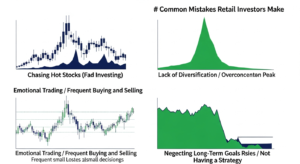
- Emotional Control: Overcoming fear of missing out (FOMO), greed, hope, and revenge trading. Emotional trading is a primary cause of failure.
- Continuous Learning: Markets evolve, and strategies must adapt. A day trader is always learning and refining their approach.
Without these skills, day trading quickly devolves into gambling, leading to inevitable capital depletion. It’s a profession that demands mental fortitude as much as, if not more than, technical expertise.
The Long-Term Investor’s Toolkit: Patience, Research, and Resilience
The successful long-term investor, by contrast, cultivates a different set of attributes:
- Unwavering Patience: The willingness to wait years, even decades, for investments to mature and compound. This means not reacting to daily or weekly market noise.
- Research and Analytical Skills: The ability to conduct fundamental analysis, understand financial statements, evaluate company management, and assess macroeconomic trends. This is the core intellectual work.
- Emotional Resilience: The capacity to remain calm and stick to the investment plan during significant market downturns, resisting the urge to sell at the bottom. This is often the hardest part.
- Long-Term Vision: Focusing on the big picture and the underlying value of assets, rather than short-term price fluctuations.
- Discipline in Contribution: Consistently adding to investments over time, regardless of market conditions (dollar-cost averaging).
- Understanding of Compounding: A deep appreciation for how small, consistent returns can grow into substantial wealth over time.
- Diversification Acumen: Knowledge of how to build a diversified portfolio that aligns with personal risk tolerance and financial goals.
- Frugality and Saving Habits: The ability to live below one’s means and consistently save money to invest. This also plays into the broader financial health, including the importance of resolving issues like How To Get Out Credit Card Debt before embarking on serious investing.
Long-term investing is less about reacting to market movements and more about thoughtful planning, diligent research, and steadfast execution over extended periods. It’s a marathon, not a sprint, and rewards those who can maintain a calm, rational perspective amidst market volatility.
Financial Implications and Capital Management
The financial resources required and the approach to managing capital differ dramatically between day trading and long-term investing, influencing accessibility and potential outcomes.
Capital Requirements for Day Trading
As mentioned, day trading often requires significant starting capital. In the U.S., the Pattern Day Trader (PDT) rule mandates a minimum of $25,000 in equity in a margin account for traders who execute four or more day trades within five business days. Falling below this threshold can lead to restrictions on trading activity. While some brokers offer ways around this (e.g., trading futures or forex, which have different rules, or using offshore brokers), these often come with their own complexities and risks. The rationale behind the PDT rule is to protect undercapitalized traders from the high risks of frequent trading. Even with $25,000, many professional day traders suggest starting with significantly more (e.g., $50,000 to $100,000) to absorb inevitable losses and generate meaningful profits without undue risk to the core capital. The high transaction costs (commissions, exchange fees, data subscriptions) also demand a larger capital base to remain profitable.
Furthermore, day traders often utilize margin, borrowing money from their broker to increase their buying power. While this can amplify gains, it also magnifies losses and introduces interest payments on borrowed funds, adding another layer of risk and cost.
Capital Management for Long-Term Investing
Long-term investing is far more accessible regarding initial capital. Many brokers now offer fractional shares, allowing investors to buy a portion of a high-priced stock for just a few dollars. This means individuals can start investing with as little as $1, $5, or $10. This low barrier to entry is a key reason it’s ideal for those seeking guidance on How To Start Investing Little Money 2026. The focus shifts from a large initial lump sum to consistent, regular contributions over time.
Capital management for long-term investors revolves around:
- Budgeting and Saving: Consistently setting aside a portion of income for investment. This disciplined saving habit is fundamental.
- Emergency Fund: Before investing, it’s crucial to establish an emergency fund (3-6 months of living expenses) in an easily accessible, liquid account. This prevents having to sell investments at an inopportune time to cover unexpected expenses.
- Debt Management: High-interest debt, particularly credit card debt, can severely hinder wealth accumulation. Prioritizing strategies on How To Get Out Credit Card Debt before fully committing to investing is often a financially sound decision, as the interest saved can often outweigh early investment returns.
- Diversification: Spreading capital across different asset classes (stocks, bonds, real estate), industries, and geographies to reduce portfolio risk.
- Asset Allocation: Determining the appropriate mix of asset classes based on age, risk tolerance, and financial goals. This strategy is reviewed and adjusted periodically.
- Rebalancing: Periodically adjusting the portfolio to maintain the target asset allocation, which often involves selling appreciated assets and buying underperforming ones, effectively buying low and selling high.
In essence, day trading requires a substantial war chest for active engagement, whereas long-term investing emphasizes consistent contributions and prudent financial planning, making it a more inclusive path to wealth for individuals at various income levels.
Which Path is Right for You? Making an Informed Choice
The decision between day trading and long-term investing is deeply personal, with no universally “correct” answer. It depends heavily on your individual circumstances, personality, financial goals, and risk tolerance. Consider the following factors carefully:
Assess Your Financial Situation
- Available Capital: Do you have significant disposable capital ($25,000+) that you can afford to lose without impacting your financial well-being? If not, day trading is likely too risky. Long-term investing is much more forgiving for those with limited starting funds, especially with strategies on How To Start Investing Little Money 2026.
- Emergency Fund & Debt: Is your emergency fund fully stocked? Are you free from high-interest debt, particularly credit card debt? If you’re still figuring out How To Get Out Credit Card Debt, your priority should be financial stabilization, not high-risk trading.
- Income Stability: Do you have a stable primary income source that can support your living expenses independently of your trading/investing activities?
Evaluate Your Time Availability
- Full-Time Commitment: Can you dedicate several hours every single market day to actively monitor markets, execute trades, and perform post-market analysis? Day trading demands this.
- Passive Engagement: Do you prefer a more hands-off approach, checking your portfolio periodically and making adjustments only when necessary? Long-term investing aligns with this.
Understand Your Risk Tolerance
- High Volatility Comfort: Are you comfortable with the potential for rapid and significant losses, and can you maintain emotional composure during extreme market swings? Day trading is for those with very high risk tolerance.
- Steady Growth Preference: Do you prefer a slower, more predictable path to wealth, even if it means enduring temporary market dips with the confidence of long-term recovery? Long-term investing suits a moderate risk tolerance.
Consider Your Personality and Mindset
- Action-Oriented & Analytical: Are you highly analytical, enjoy fast-paced environments, and possess exceptional discipline and emotional control? These are prerequisites for day trading.
- Patient & Research-Driven: Do you enjoy researching companies, understanding economic trends, and have the patience to let investments mature over years or decades? This aligns with long-term investing.
- Stress Levels: How do you handle stress? Day trading is inherently stressful. Long-term investing, while not stress-free, generally has a lower daily emotional toll.
Define Your Financial Goals
- Short-Term Income: Is your goal to generate daily or weekly income from the markets? Day trading aims for this, though rarely achieves it consistently for most.
- Long-Term Wealth Building: Are you aiming for retirement savings, a down payment on a house, or financial independence over many years? Long-term investing is the proven path for these goals. Consider how an Impact Investing Esg Guide 2026 might help align your long-term goals with your values.
A Hybrid Approach?
It’s also possible to combine elements of both. Many long-term investors might allocate a small, speculative portion (e.g., 5-10%) of their portfolio to more active trading, distinct from their core long-term holdings. This allows them to scratch the “trading itch” without jeopardizing their primary wealth-building strategy. However, it’s crucial to keep these two activities entirely separate and apply different risk management rules to each.
Ultimately, for the vast majority of individuals seeking to build wealth, long-term investing offers a more accessible, less stressful, and historically more reliable path. Day trading is a highly specialized profession requiring a rare combination of capital, skill, and psychological fortitude. Before embarking on either path, invest in your education, start small, and understand that consistent success in the markets is the result of diligent work, not luck.
Frequently Asked Questions
Can I do both day trading and long-term investing simultaneously?▾
What’s a realistic starting capital for day trading?▾
How much time does long-term investing require?▾
Recommended Resources
Explore How To Run Google Ads For Beginners for additional insights.
Explore Neobank Vs Traditional Bank Comparison for additional insights.
Understanding ETFs: Diversification in a Single Trade
ETFs, or Exchange-Traded Funds, are investment funds that trade on stock exchanges, much like stocks. They hold assets such as stocks, commodities, or bonds and generally operate with an arbitrage mechanism designed to keep trading close to its net asset value, though deviations can occasionally occur. ETFs provide investors with a diversified portfolio in a single trade, often tracking an index, sector, or theme.
Characteristics of ETFs
- Diversification: Instant diversification across multiple securities, reducing idiosyncratic risk.
- Expense Ratio: Typically low annual fees compared to mutual funds, but still present.
- Liquidity: Traded on exchanges, offering high liquidity and ease of access.
- Tax Efficiency: Generally more tax-efficient than mutual funds due to their structure.
- Benchmark Tracking: Often designed to replicate the performance of a specific index or sector.
Understanding Individual Stocks: Direct Ownership and Control
Investing in individual stocks involves purchasing shares of a specific company, providing direct exposure to its performance. This approach allows investors to have a say in the company’s future through voting rights and the potential for dividends.
Characteristics of Individual Stocks
- Direct Exposure: Full exposure to the performance of a single company.
- Potential for Outperformance: The possibility to outperform the market, albeit with higher risk.
- Control: Greater control over investment decisions and portfolio composition.
- Research Requirement: Requires in-depth analysis of company fundamentals and market conditions.
- Volatility: Higher volatility due to concentration in a single entity.
ETF vs Individual Stocks: A Comparative Analysis
| Aspect | ETFs | Individual Stocks |
|---|---|---|
| Diversification | High | Low |
| Risk | Lower idiosyncratic risk | Higher company-specific risk |
| Return Potential | Market average | Potentially higher |
| Fees | Low expense ratio | No ongoing fees |
| Tax Efficiency | High | Varies |
| Research Time | Minimal | Significant |
| Control | Less | More |
| Liquidity | High | Varies |
| Minimum Capital | Low | Varies |
| Best Investor Profile | Beginner, passive | Experienced, active |
Making the Right Choice for 2026
For most investors in 2026, ETFs are likely the better choice due to their diversification, lower risk, and ease of management. They are particularly suitable for beginners or those with limited time to dedicate to market research. However, individual stocks might be more appealing to experienced investors who have the time and expertise to conduct thorough research and are willing to take on higher risk for potentially greater rewards.
A hybrid approach, combining a core portfolio of ETFs with a satellite of individual stocks, can offer the best of both worlds. This strategy allows investors to enjoy the stability and diversification of ETFs while also taking advantage of the growth potential of select individual stocks.
Frequently Asked Questions
What is an ETF, and how is it different from buying individual stocks?▾
Which is better for most investors in 2026: ETFs or individual stocks?▾
When do individual stocks make more sense than ETFs, and what extra risk do they add?▾
Are ETF fees worth paying compared with building your own stock portfolio?▾
Can you combine ETFs and individual stocks, and what allocation works best?▾
Recommended Resources
Explore How To Run Google Ads For Beginners for additional insights.
Explore Neobank Vs Traditional Bank Comparison for additional insights.
From Our Network
- HSA investment strategy guide (en Fin3go)
- how to save money shopping online 2026 (en Goldpoints)