
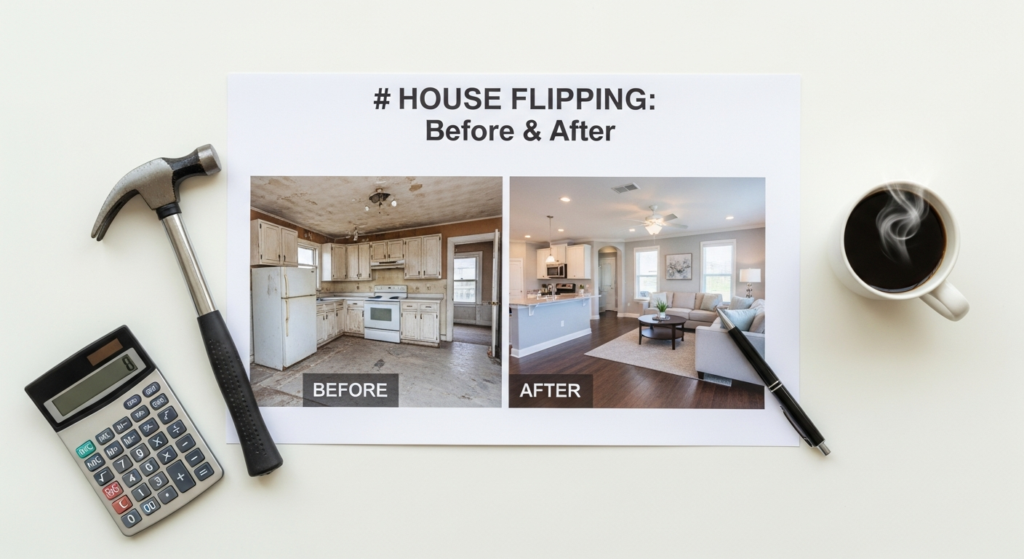
The Definitive Guide to House Flipping for Beginners in 2026: Strategies for Profitability
Understanding the Modern Flipping Landscape (2026 Perspective)
The real estate market is dynamic, and successful house flipping in 2026 hinges on understanding current conditions rather than relying on past assumptions. Interest rates, while volatile, have a direct impact on buyer affordability and, consequently, your pool of potential buyers and their willingness to pay. Inventory levels, both for distressed properties and renovated homes, dictate competition. A low inventory of “fixers” means tougher sourcing, while a high inventory of “flips” can depress sale prices.
Current trends suggest a continued emphasis on value and efficiency. Buyers are more discerning, often prioritizing energy efficiency, smart home technology integrations, and adaptable living spaces. Over-improving a property beyond its neighborhood’s ceiling remains a critical error. The “easy money” days, where any renovation led to a quick sale, are largely behind us. Profitability now stems from meticulous market analysis, strategic renovations, and rigorous cost control. This requires a deep dive into hyper-local market data – understanding median home prices, average days on market, and specific buyer preferences in your target neighborhoods. Tools like the local Multiple Listing Service (MLS), county assessor’s records, and even demographic data from sources like the U.S. Census Bureau are indispensable for this granular analysis.
The Golden Rule: The 70% Rule and Beyond
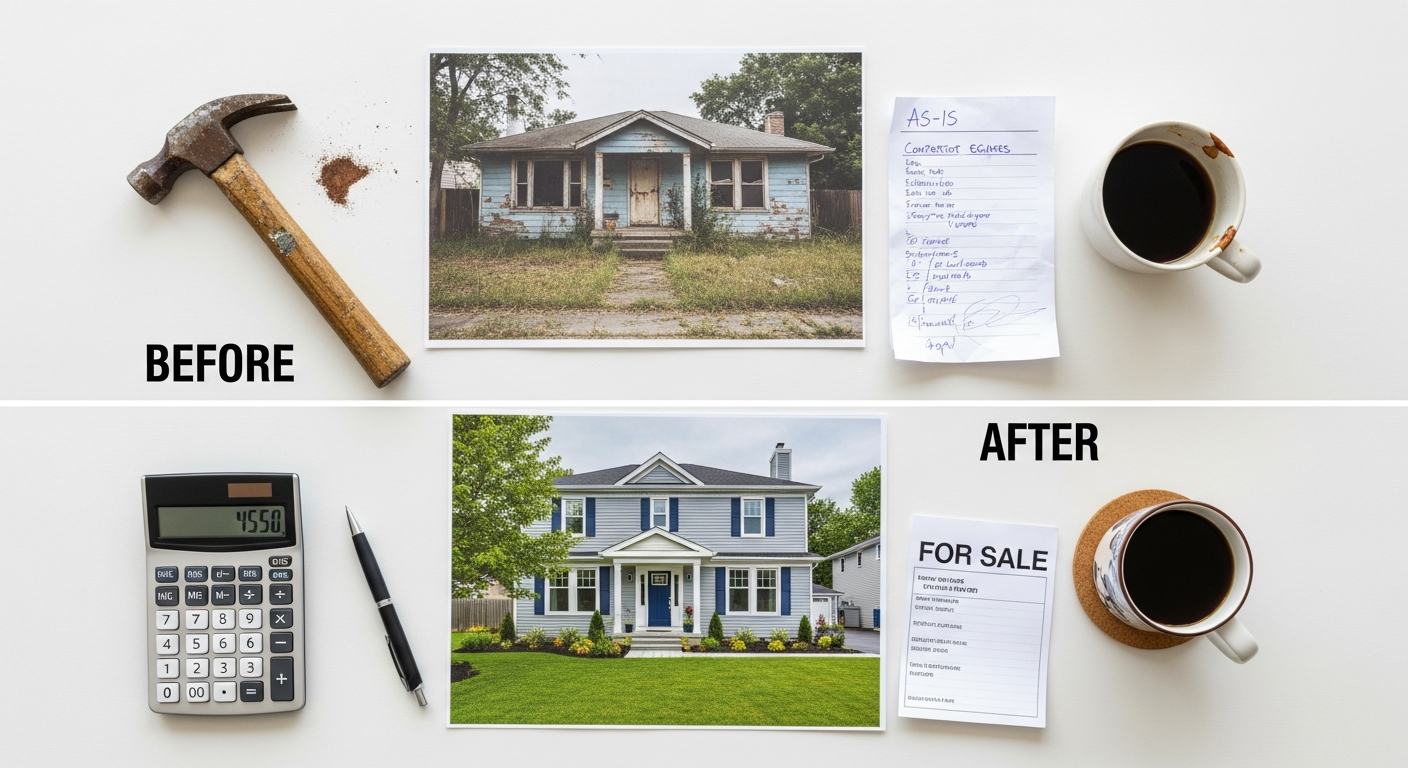
The cornerstone of profitable house flipping is the “70% Rule.” This benchmark helps investors determine the maximum offer price for a property to ensure a sufficient profit margin. The rule states that an investor should pay no more than 70% of the After Repair Value (ARV) of a property, minus the estimated repair costs.
ARV is the estimated value of the property after all repairs and renovations are completed. This is crucial to get right, requiring a detailed comparative market analysis (CMA) of recently sold, fully renovated homes in the immediate vicinity (within 0.5 miles, similar size, bedroom/bathroom count, and age, sold within the last 3-6 months).
The Formula:
`Maximum Offer Price = (ARV * 0.70) – Estimated Rehab Costs`
Example:
* Estimated ARV: $400,000
* Estimated Rehab Costs: $50,000
Maximum Offer Price = ($400,000 0.70) – $50,000
* Maximum Offer Price = $280,000 – $50,000 = $230,000
This $230,000 is your ceiling. Offering above this significantly erodes your profit potential.
Beyond the 70% rule, a comprehensive budget must account for all costs, not just rehab. These include:
* Acquisition Costs: Appraisal fees, inspection fees, loan origination fees, title insurance, attorney fees (typically 2-5% of purchase price).
Holding Costs: Property taxes, insurance, utilities, loan interest payments (if financing), HOA fees (if applicable). These accrue every month* until the property sells. For a $230,000 property with a hard money loan at 12% interest, holding costs could easily be $2,300+ per month just for interest.
* Selling Costs: Real estate agent commissions (typically 5-6% of ARV), closing costs for the seller (title fees, transfer taxes, attorney fees – another 1-2% of ARV), staging costs ($1,000-$5,000+).
A critical component often overlooked by beginners is the contingency fund. Unexpected issues will arise (e.g., discovering asbestos, structural damage, or outdated electrical systems). Allocating 10-15% of your estimated rehab budget for contingencies is a non-negotiable best practice. For a $50,000 rehab, this means an additional $5,000-$7,500 set aside. Failing to budget for these additional costs is a primary reason flips fail.
Finding Your Niche: Market Research and Property Sourcing
Successful house flipping begins long before you make an offer. It starts with rigorous market research and strategic property sourcing.
Market Research: Pinpointing Profitability
Your goal is to identify neighborhoods and property types that offer the highest probability of profit. Look for:
* Strong Demand: Areas with low average days on market (DOM) for comparable properties, indicating brisk sales.
* Stable or Appreciating Values: Consistent year-over-year growth, but avoid areas with runaway appreciation where finding undervalued properties is difficult.
* Good Amenities: Proximity to schools, parks, shopping, dining, and employment centers.
* Signs of Gentrification: Areas on the cusp of revitalization, where property values are likely to increase as improvements spread.
Tools and Techniques:
1. Local MLS Access: Work with an experienced real estate agent who can grant you access to the MLS. This is the most accurate source for recent sales data (comps).
2. Public Records: County assessor’s websites provide property tax information, ownership history, and sometimes even past sales prices.
3. Online Platforms: Zillow, Redfin, Realtor.com offer valuable insights into market trends, listing history, and estimated values. Use their “sold” filters to find comps.
4. Driving for Dollars: Physically drive through target neighborhoods. Look for signs of neglect (overgrown yards, boarded windows, deferred maintenance) which often indicate motivated sellers or potential distress.
Property Sourcing: Unearthing Opportunities
Finding undervalued properties requires creative and persistent effort, especially in a competitive market.
1. Real Estate Agents: Partner with an investor-friendly agent who understands the nuances of distressed properties and can identify off-market or pre-market deals.
2. Wholesalers: These individuals find distressed properties, put them under contract, and then assign the contract to an investor for a fee. While convenient, ensure the wholesaler’s numbers align with your 70% rule, as their fee will eat into your margin.
3. Direct-to-Seller Marketing:
* Direct Mail: Send targeted letters or postcards to absentee owners, properties with code violations, or those in probate.
* Online Ads: Utilize social media or local classifieds to reach motivated sellers.
4. Foreclosure & Auction Sites: Websites like Auction.com or your county’s sheriff/tax collector sites list properties heading to auction. These can offer significant discounts but come with higher risks (no inspections, often cash-only).
5. Networking: Attend local real estate investor meetups (REIAs). Building relationships can lead to off-market deal flow.
The key is to generate multiple leads and meticulously vet each one against your investment criteria and the 70% rule. Don’t fall in love with a property; fall in love with the numbers.
Financing Your Flip: Options for Beginners
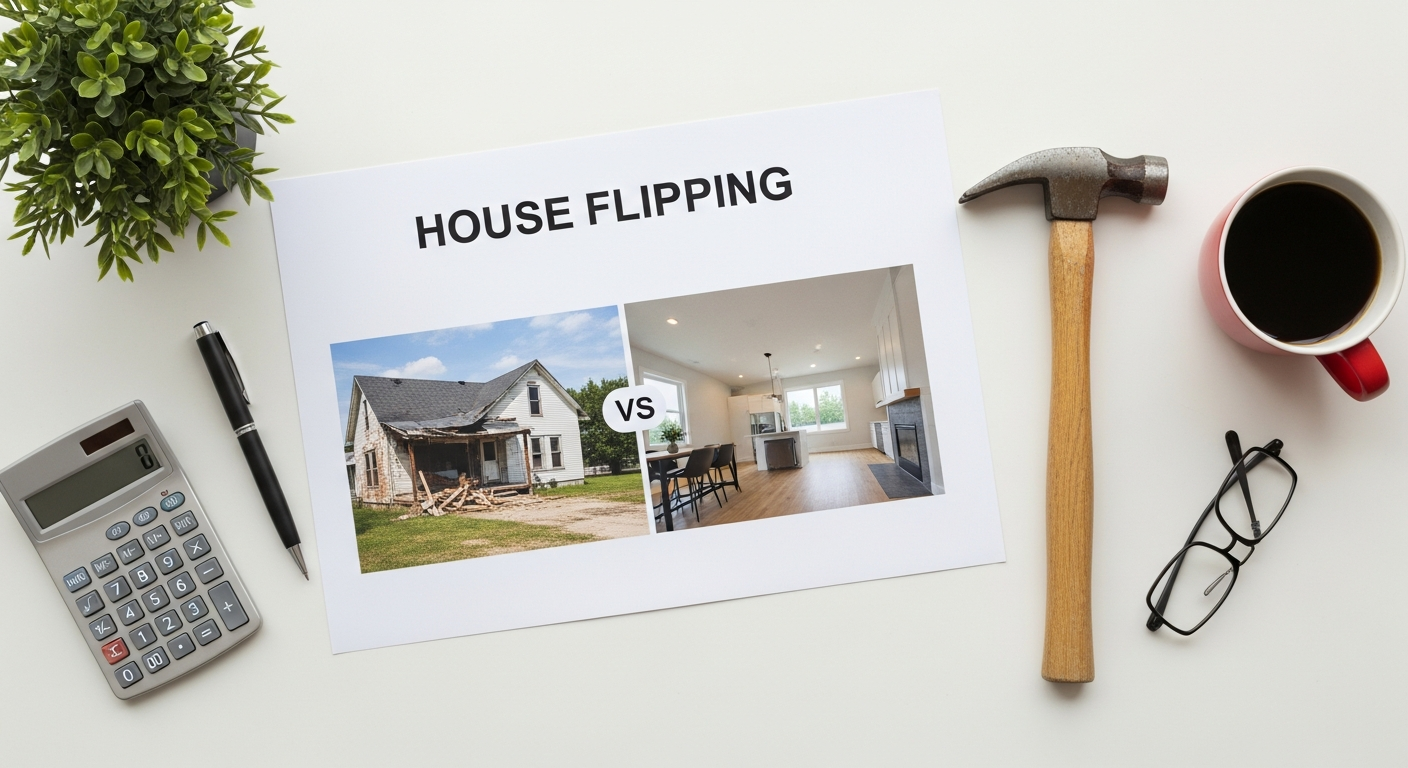
Securing financing is often the biggest hurdle for new flippers. While cash is king, several viable options exist for those without six-figure liquid capital.
1. Cash: The ideal scenario. Eliminates interest payments, loan fees, and speeds up the closing process. This maximizes your profit margin.
2. Hard Money Lenders: These are private companies or individuals who lend based primarily on the property’s ARV, rather than the borrower’s credit score.
* Pros: Fast approval and funding (often within 7-14 days), less stringent credit requirements, focus on the deal’s viability.
* Cons: High interest rates (typically 10-15% annually), “points” (upfront fees, usually 2-5% of the loan amount), and shorter terms (6-18 months). They typically lend 70-80% of the purchase price and 100% of the rehab costs.
* Example: For a $230,000 purchase and $50,000 rehab, a hard money lender might offer a loan of $220,000 (80% of purchase + 100% of rehab), costing you 3 points ($6,600 upfront) and 12% interest (approx. $2,200/month).
* Best for: Experienced flippers or beginners with a solid deal and clear exit strategy.
3. Private Money Lenders: Similar to hard money but often individuals you know (friends, family, or contacts from REIA groups).
* Pros: More flexible terms, potentially lower interest rates (e.g., 8-10%) and fewer points, built on trust and relationship.
* Cons: Requires strong networking and pitching skills, can strain personal relationships if the deal goes sideways.
* Best for: Those with a strong personal network and a track record of good financial decisions.
4. Conventional Loans (Less Common for Flips): Traditional bank loans are typically designed for owner-occupied residences or long-term rentals.
* Pros: Lowest interest rates (e.g., 6-8%).
* Cons: Lengthy approval process (30-60+ days), strict credit and income requirements, often require the borrower to occupy the property for a certain period, making them unsuitable for pure flips. There are some “rehab loans” like FHA 203k, but they have strict rules and often aren’t ideal for speed-focused flipping.
* Best for: Investors who might live in the property while renovating or those planning a “live-in flip” strategy.
5. Home Equity Line of Credit (HELOC) or Cash-Out Refinance: Using equity from your primary residence.
* Pros: Lower interest rates than hard money, flexible access to funds.
* Cons: Puts your primary residence at risk if the flip goes wrong. High leverage can be dangerous.
* Best for: Experienced investors with a conservative risk tolerance and significant equity.
6. Partnerships: Teaming up with another investor who brings capital while you bring expertise (or vice-versa).
* Pros: Spreads risk, combines resources.
* Cons: Requires clear legal agreements, profit sharing, and strong communication to avoid conflicts.
* Best for: Beginners who want to learn alongside an experienced partner or those with limited capital but strong operational skills.
Regardless of the financing method, always have a clear, documented exit strategy. Lenders want to see how you plan to repay them, whether through a quick sale or refinancing into a long-term loan.
The Renovation Phase: Smart Upgrades and Project Management
The renovation phase is where value is added, but it’s also where budgets are blown and timelines slip. Smart project management and ROI-driven decisions are paramount.
Developing a Detailed Scope of Work (SOW)
Before any hammer swings, create an exhaustive SOW. This document lists every single repair, upgrade, and aesthetic change, from demolition to final paint.
* Walk through the property with a general contractor (GC) or experienced tradespeople.
* Get multiple bids (at least three) for each major component of work. This ensures competitive pricing and helps you identify potential red flags in bids (e.g., significantly lower or higher than average).
* Specify materials, finishes, and timelines clearly in the contract.
ROI-Driven Renovations: Focus on What Sells
Not all upgrades are created equal. Focus on renovations that offer the highest return on investment (ROI) for your specific market, avoiding over-improvement.
1. Kitchens (25-30% of rehab budget, 70-80% ROI): Often the heart of the home. Focus on modernizing:
* New countertops (quartz or granite are popular).
* Cabinet refacing or new cabinets (shaker style is timeless).
* Stainless steel appliances.
* Updated lighting and fixtures.
* A fresh backsplash.
2. Bathrooms (15-20% of rehab budget, 60-70% ROI): Modern, clean bathrooms are a significant selling point.
* New vanities, sinks, and faucets.
* Updated tile for floors and shower surrounds.
* Low-flow toilets.
* Fresh paint and lighting.
3. Curb Appeal (5-10% of rehab budget, 100%+ ROI): First impressions are critical for online listings and in-person viewings.
* Fresh exterior paint or power washing.
* Landscaping (mulch, plants, trimmed bushes).
* New front door or fresh paint on existing one.
* Updated exterior lighting and house numbers.
4. Key Systems (Variable budget, essential for sale): While less “sexy,” functional systems are non-negotiable.
* HVAC: Repair or replace if nearing end-of-life or non-functional.
* Roof: Repair leaks or replace if necessary.
* Plumbing & Electrical: Ensure systems are up to code and fully functional. Address any safety hazards.
5. Flooring: Replace old carpet with durable, appealing options like LVP (Luxury Vinyl Plank) or refinish hardwood floors.
6. Paint: A fresh, neutral paint job throughout is one of the most cost-effective ways to update a home.
Finding and Managing Contractors
This is often the most challenging part for beginners.
Vetting: Get references and call them*. Check online reviews. Verify licenses and insurance.
* Contracts: Always have a detailed, written contract outlining the SOW, payment schedule (tied to milestones, not just time), warranty, and completion date.
* Communication: Maintain open and frequent communication.
* Oversight: Visit the job site regularly (daily if possible) to monitor progress and quality.
* Payment Schedule: Never pay the full amount upfront. A common schedule is 1/3 upfront, 1/3 midway through, and 1/3 upon satisfactory completion.
Budget and Timeline Management
Time is money in flipping. Every extra day the property sits incurs holding costs.
* Detailed Spreadsheet: Track every expense, comparing actuals to budget.
* Timeline: Create a realistic timeline for each phase of the renovation. Build in buffers for delays (weather, material shortages, unexpected repairs).
* Contingency: Refer back to your 10-15% contingency fund. Don’t dip into it unless absolutely necessary, and always replenish it if possible.
Selling for Top Dollar: Staging, Marketing, and Closing
You’ve put in the hard work; now it’s time to maximize your return. The selling phase is as critical as the acquisition and renovation.
1. Professional Staging: This is not an optional expense; it’s an investment. Staged homes sell faster and for higher prices (often 1-5% higher). Staging helps buyers envision themselves living in the space, highlights the property’s best features, and creates an emotional connection. Budget $1,000-$5,000+ depending on the size and scope.
2. Professional Photography and Videography: Over 90% of buyers start their search online. High-quality photos (and increasingly, drone footage and 3D virtual tours) are non-negotiable. Blurry phone pictures are a death sentence for your listing.
3. Compelling Listing Description: Craft an engaging narrative that highlights the key upgrades, unique features, and neighborhood benefits. Use strong, descriptive language but be truthful.
4. Strategic Pricing: Work closely with your real estate agent to price the property competitively. Review fresh comparable sales (within the last 30 days) of fully renovated homes. Pricing too high leads to stagnation and price reductions, while pricing too low leaves money on the table. Aim for a price that generates immediate interest and potentially multiple offers.
5. Choose the Right Real Estate Agent: Select an agent with a proven track record of selling renovated homes in your specific target market. They should have a robust marketing plan, strong negotiation skills, and excellent communication. Interview several agents and ask for their proposed marketing strategy, recent sales, and references.
6. Negotiation: Be prepared for offers, counter-offers, and inspection requests. A good agent will guide you through this. Understand common buyer contingencies (financing, inspection, appraisal) and how to navigate them.
7. Closing: The final step. Be aware of seller-paid closing costs, which typically include agent commissions (5-6% of sale price), title insurance, transfer taxes, and attorney fees (if applicable). Ensure all necessary documents are signed and funds are transferred correctly.
By treating the selling phase with the same strategic intensity as the acquisition and renovation, you significantly increase your chances of achieving your target profit and making your flip a resounding success.