
Types of Bonds: A Comprehensive Guide to Fixed Income Investments
In the dynamic world of investing, where headlines often focus on volatile stocks and high-growth opportunities, the stability and income potential of bonds are frequently overlooked, yet profoundly vital. For investors seeking a predictable income stream, capital preservation, or a counterbalance to equity market fluctuations, understanding the diverse types of bonds available is not just advantageous—it’s essential. This comprehensive guide from Trading Costs will demystify the fixed income landscape, empowering you to navigate the various bond options with confidence. By exploring the nuances of government, corporate, municipal, and specialized bonds, you’ll gain the knowledge to strategically integrate these powerful instruments into your portfolio, optimizing for your unique financial goals and risk tolerance. Whether you’re a seasoned investor or just beginning your fixed income journey, this article will equip you with the insights needed to make informed decisions and build a resilient investment strategy.
The Foundation of Fixed Income: What Are Bonds and How Do They Work?
Before delving into the specific types of bonds, it’s crucial to grasp the fundamental mechanics of what a bond is and how it operates. At its core, a bond represents a loan made by an investor to a borrower, which could be a government, a corporation, or a municipality. In essence, when you buy a bond, you are lending money to the issuer. In return for this loan, the issuer promises to pay you, the bondholder, periodic interest payments (known as coupon payments) over a specified period, and to return your original principal amount (the par value or face value) on a predetermined date, known as the maturity date.
The terms of a bond are clearly defined upfront:
- Issuer: The entity borrowing the money (e.g., U.S. Treasury, Apple Inc., City of New York).
- Par Value (Face Value): The amount the bond will be worth at maturity, typically $1,000 for corporate and municipal bonds, or multiples thereof for government bonds. This is the principal amount that will be repaid to the bondholder.
- Coupon Rate: The annual interest rate the issuer pays on the bond’s par value. This rate determines the amount of the periodic coupon payments. For example, a $1,000 bond with a 5% coupon rate will pay $50 in interest per year, often distributed in semi-annual payments of $25.
- Maturity Date: The date on which the issuer repays the bond’s par value to the bondholder and the bond ceases to exist. Maturities can range from a few days (e.g., Treasury bills) to 30 years or more (e.g., Treasury bonds).
- Yield: This refers to the return an investor receives on a bond. There are several types of yield, including current yield (annual coupon payment divided by the bond’s current market price) and yield to maturity (YTM), which accounts for the total return anticipated on a bond if it is held until it matures. YTM considers the bond’s current market price, par value, coupon interest rate, and time to maturity.
It’s important to understand the inverse relationship between bond prices and interest rates. When market interest rates rise, newly issued bonds offer higher coupon rates, making existing bonds with lower coupon rates less attractive. To sell these older bonds, their market price must fall to offer a competitive yield. Conversely, when interest rates fall, existing bonds with higher coupon rates become more appealing, driving their market prices up. This sensitivity to interest rate changes is a critical factor for bond investors.
Actionable Tip: Before investing in any bond, familiarize yourself with these core terms. Use a bond calculator to compare the yield to maturity (YTM) of different bonds, as YTM provides a more accurate picture of your potential return than just the coupon rate, especially if you plan to buy or sell bonds before maturity. Understanding these fundamentals will prepare you to differentiate between the various types of bonds and make informed investment choices.
What are Government Bonds and Why are They Stable?
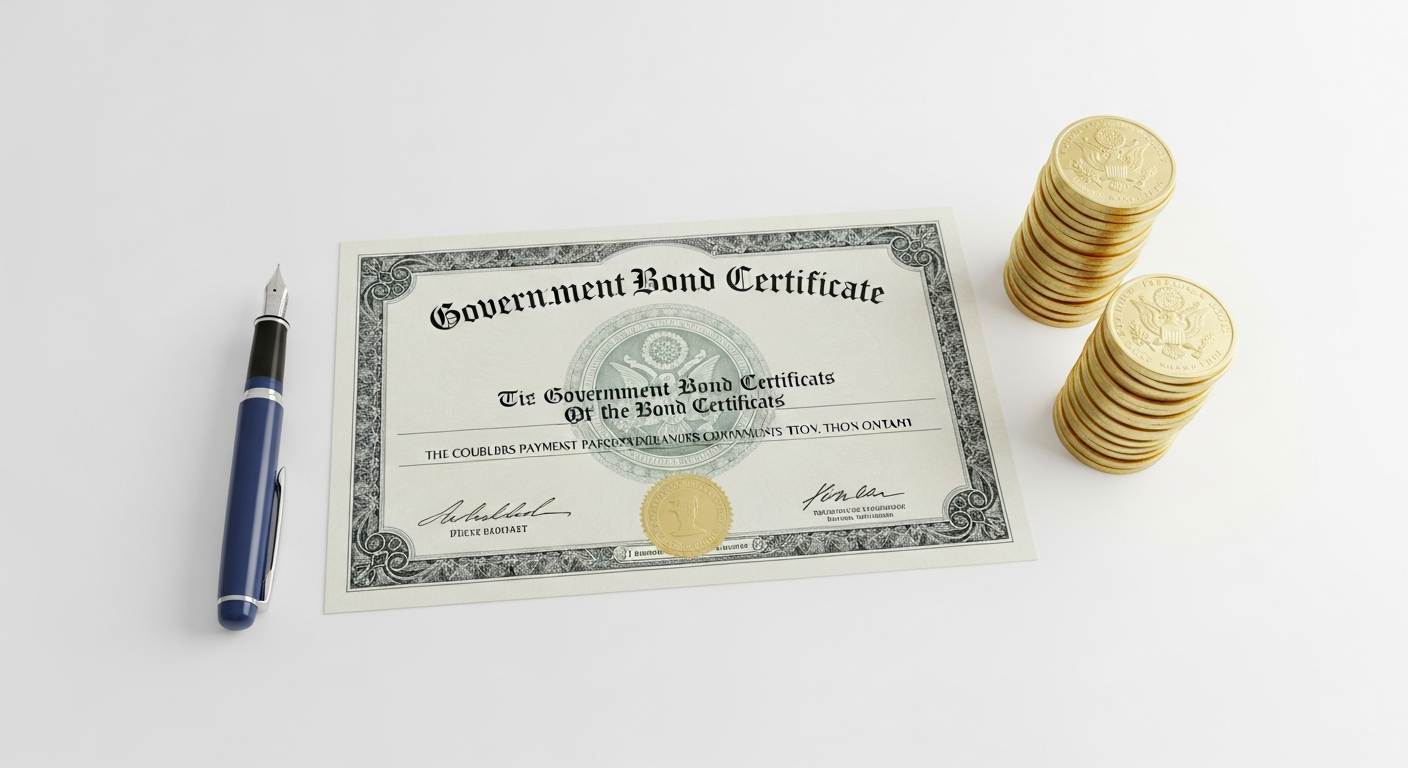
Government bonds are often considered the safest fixed-income investments due to the backing of a sovereign government’s taxing power and ability to print currency. They are crucial for capital preservation and portfolio diversification, acting as a flight to safety during economic uncertainty. Within this category, we primarily focus on national treasury issues and bonds issued by government-sponsored enterprises.
U.S. Treasury Securities
The U.S. Treasury issues a variety of marketable securities that are among the most liquid and secure in the world. They are backed by the full faith and credit of the U.S. government, implying an extremely low risk of default. These come in several forms, primarily differentiated by their maturity:
- Treasury Bills (T-Bills): Short-term debt instruments with maturities ranging from a few days to 52 weeks. T-bills are zero-coupon bonds, meaning they are sold at a discount to their face value and mature at par, with the investor’s return being the difference between the purchase price and the face value. For instance, a 26-week T-bill might be purchased for $980 and mature at $1,000, yielding a $20 return.
- Treasury Notes (T-Notes): Intermediate-term debt with maturities ranging from two to ten years. T-notes pay a fixed interest rate every six months until maturity. A common benchmark is the 10-year Treasury note, whose yield is often cited as a proxy for long-term interest rates.
- Treasury Bonds (T-Bonds): Long-term debt instruments with maturities greater than ten years, typically 20 or 30 years. Like T-notes, they pay fixed interest every six months.
- Treasury Inflation-Protected Securities (TIPS): These are unique among Treasury securities because their principal value adjusts with changes in the Consumer Price Index (CPI), protecting investors from inflation. They pay a fixed interest rate on the adjusted principal value semi-annually. For example, if inflation rises, the principal of a TIPS bond increases, and subsequent coupon payments, while based on a fixed rate, will be higher because they are paid on a larger principal.
- Separate Trading of Registered Interest and Principal Securities (STRIPS): While not directly issued by the Treasury, STRIPS are created by financial institutions from existing T-notes and T-bonds. They separate the interest payments and the principal payment into individual zero-coupon securities. This allows investors to purchase specific future cash flows (e.g., a single interest payment or the final principal payment) as distinct zero-coupon bonds.
Actionable Tip: For investors prioritizing capital preservation and liquidity, U.S. Treasury securities are an excellent choice. Consider TIPS if you are concerned about inflation eroding your purchasing power over time. They offer a real return above inflation, making them a powerful tool for maintaining wealth.
Agency Bonds
Agency bonds are issued by U.S. government-sponsored enterprises (GSEs) or federal government agencies. While not directly backed by the “full faith and credit” of the U.S. government like Treasuries, many agency bonds carry an “implicit” government guarantee, and some have explicit guarantees. Examples include:
- Fannie Mae (Federal National Mortgage Association) and Freddie Mac (Federal Home Loan Mortgage Corporation): These GSEs purchase mortgages from lenders and package them into mortgage-backed securities (MBS) which they then sell to investors. They also issue their own corporate debt to fund their operations.
- Federal Home Loan Banks (FHLBs): A system of 11 banks that provide liquidity to member financial institutions (banks, credit unions, insurance companies) through advances (loans). They issue bonds to fund these advances.
Agency bonds typically offer slightly higher yields than comparable Treasury securities due to the perceived (though often minimal) difference in credit risk. However, they remain highly liquid and considered very safe investments.
Actionable Tip: If you’re looking for a slightly higher yield than what Treasuries offer, without significantly increasing your risk exposure, agency bonds can be a suitable alternative. They provide an incremental return while maintaining a strong credit profile.
What are Municipal Bonds and Their Tax Advantages?
Municipal bonds, often referred to as “munis,” are debt securities issued by state and local governments and their agencies to finance public projects such as schools, hospitals, highways, and sewer systems. Their most attractive feature for many investors is their potential for tax-exempt interest income. The tax treatment of municipal bonds depends on the investor’s state of residency and the bond’s issuer. Generally, interest on municipal bonds is exempt from federal income tax. If you buy a bond issued by a municipality within your home state, the interest income is often also exempt from state and local taxes, making them “triple tax-exempt.” This tax advantage can significantly boost the effective yield for investors in higher tax brackets.
There are two primary types of bonds within the municipal category:
- General Obligation (GO) Bonds: These bonds are backed by the “full faith and credit” and taxing power of the issuing municipality. This means the issuer pledges its entire tax revenue (e.g., property taxes, sales taxes) to repay the bondholders. GO bonds typically require voter approval, as they directly impact the municipality’s ability to tax its residents. Because they are backed by the broad taxing power, GO bonds are generally considered less risky than revenue bonds.
- Revenue Bonds: These bonds are not backed by the full taxing power of the municipality. Instead, they are secured by the revenues generated from a specific project or facility that the bond issue is financing. Examples include bonds issued to build toll roads (backed by toll revenues), airports (backed by landing fees and concession revenues), water and sewer systems (backed by utility fees), or sports stadiums. The financial health and operational success of the specific project are paramount to the bond’s security. If the project underperforms, the bondholders may face repayment issues.
Real-world Example: Consider a California resident in the 35% federal tax bracket, 9.3% state tax bracket, and a hypothetical 1% local tax. A taxable corporate bond yielding 4% would have an after-tax yield of approximately 2.38% (4% * (1 – 0.35 – 0.093 – 0.01)). In contrast, a California municipal bond yielding 3% that is triple tax-exempt would have an effective after-tax yield of 3%. To achieve an equivalent after-tax yield from a taxable bond, an investor would need a pre-tax yield of approximately 5.05% (3% / (1 – 0.35 – 0.093 – 0.01)), illustrating the significant advantage of munis.
Actionable Tip: Municipal bonds are particularly attractive for investors in higher tax brackets looking to maximize their after-tax income. When considering municipal bonds, compare their tax-equivalent yield to the yields of taxable bonds to determine which offers a better net return. Furthermore, always research the credit rating of the issuing municipality and the specific details of the bond (GO vs. Revenue) to understand the underlying repayment mechanism and risk profile.
What are Corporate Bonds and How Do They Balance Risk and Reward?
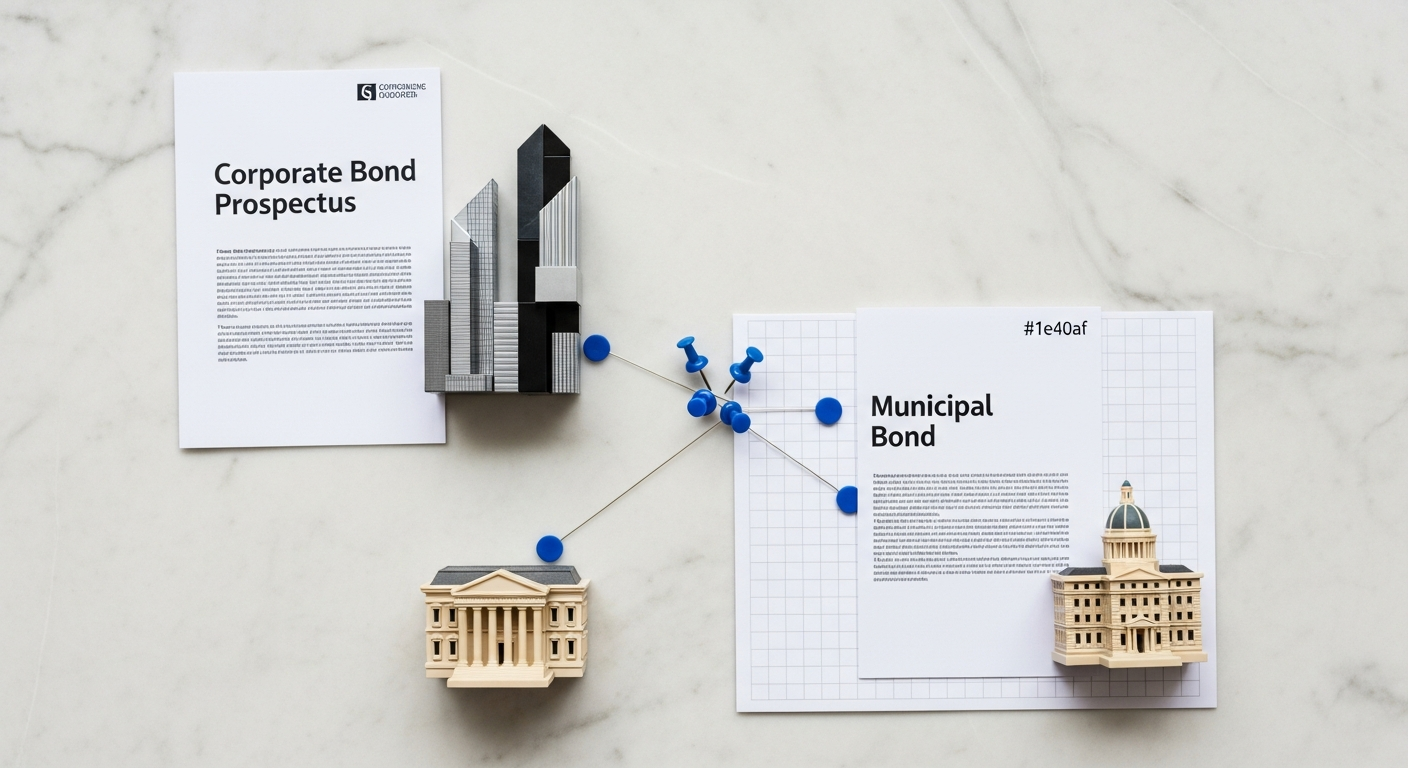
Corporate bonds are debt instruments issued by companies to raise capital for a variety of purposes, such as expanding operations, financing new projects, or refinancing existing debt. When you buy a corporate bond, you are essentially lending money to a corporation. In return, the corporation promises to pay you regular interest payments and repay the principal amount at maturity. The risk and potential return of corporate bonds vary widely depending on the financial health and creditworthiness of the issuing company.
Corporate bonds are broadly categorized by their credit quality:
Investment-Grade Bonds
These are bonds issued by companies with strong financial health and a low risk of default, as assessed by credit rating agencies like Moody’s, Standard & Poor’s (S&P), and Fitch. Investment-grade ratings typically range from Aaa/AAA (highest quality, lowest risk) down to Baa3/BBB- (lowest investment grade, moderate risk).
- Characteristics: Lower yields compared to high-yield bonds but offer greater safety and stability. They are typically less volatile and are often favored by institutional investors and conservative individual investors.
- Examples: Bonds issued by multinational corporations with stable earnings and strong balance sheets, such as Apple Inc., Microsoft, or Johnson & Johnson. For instance, in mid-2023, Apple Inc. issued bonds with various maturities, including a 7-year note yielding around 4.5% at issuance, reflecting its strong credit profile (rated Aaa/AAA by Moody’s/S&P).
Actionable Tip: For investors seeking a balance of income and relatively low risk within the corporate sector, investment-grade bonds are an excellent choice. Always check the bond’s credit rating from at least two major agencies before investing to gauge its default risk.
High-Yield (Junk) Bonds
These are bonds issued by companies with lower credit ratings (typically Ba/BB and below by Moody’s/S&P). Companies that issue high-yield bonds are often smaller, less established, or carry a significant amount of debt, making them more susceptible to economic downturns or business challenges.
- Characteristics: To compensate investors for the higher risk of default, high-yield bonds offer significantly higher interest rates (yields) than investment-grade bonds. They tend to be more volatile and behave more like stocks than traditional bonds, especially during periods of economic stress.
- Example: A growing but highly leveraged tech startup might issue bonds with a 9% coupon, while a well-established utility company might issue bonds with a 4% coupon. The higher yield reflects the market’s assessment of the tech startup’s higher default risk.
Actionable Tip: High-yield bonds can provide substantial income and diversification benefits, but they come with increased risk. If considering high-yield bonds, allocate only a small portion of your portfolio to them and be prepared for potential price fluctuations and a higher probability of default. Diversification through high-yield bond ETFs or mutual funds can help mitigate individual bond default risk.
Convertible Bonds
A specialized type of corporate bond, convertible bonds give the bondholder the option to convert the bond into a specified number of shares of the issuing company’s common stock at a predetermined price.
- Characteristics: Convertibles offer a hybrid investment profile. They provide the fixed income payments of a bond while also offering the potential for capital appreciation if the underlying stock performs well. Because of the conversion feature, their coupon rates are typically lower than comparable non-convertible bonds from the same issuer. If the stock price rises significantly above the conversion price, the investor can convert their bond into stock and potentially profit from the equity upside. If the stock price doesn’t perform well, the investor still receives the bond’s interest payments and the return of principal at maturity.
Actionable Tip: Convertible bonds can be an attractive option for investors who want some downside protection (from the bond’s fixed income stream) along with the potential to participate in the upside of a company’s stock. They are suitable for those comfortable with a slightly more complex investment instrument.
What are Specialized Bond Types and Their Unique Features?
Beyond the main categories of government, municipal, and corporate bonds, several specialized types of bonds exist, each designed to meet specific investor needs or financial objectives. Understanding these can add further sophistication and diversification to your fixed income portfolio.
Zero-Coupon Bonds: Applications and Tax Implications
As discussed briefly with Treasury Bills, zero-coupon bonds do not pay periodic interest payments. Instead, they are sold at a deep discount to their face value and mature at their par value. The investor’s return comes from the difference between the purchase price and the face value received at maturity.
- Characteristics:
- No Reinvestment Risk: Since there are no coupon payments, investors don’t face the risk of having to reinvest interest payments at potentially lower rates.
- Price Volatility: Zero-coupon bonds are typically more sensitive to interest rate changes than coupon-paying bonds of comparable maturity, making them more volatile.
- Phantom Income: For taxable accounts, investors generally owe taxes on the “imputed interest” (the annual accretion of the bond’s value) even though no cash interest is received. This makes them more suitable for tax-advantaged accounts like IRAs or 401(k)s.
- Example: A 10-year zero-coupon bond with a $1,000 face value and a yield of 4% might be purchased for approximately $675. At the end of 10 years, the investor receives $1,000.
Actionable Tip: Zero-coupon bonds are ideal for long-term financial goals where you don’t need current income, such as saving for a child’s college education or retirement. Their predictable maturity value makes them suitable for funding specific future liabilities.
TIPS: Your Inflation Hedge
We touched upon Treasury Inflation-Protected Securities (TIPS) in the government bonds section, but it’s worth re-emphasizing their importance as a specialized type of bond designed specifically to combat inflation. Their principal value adjusts with changes in the Consumer Price Index (CPI), and their coupon payments are then calculated based on this adjusted principal.
- Characteristics:
- Inflation Protection: They provide a reliable hedge against inflation, ensuring your real return is preserved.
- Real Yield: The stated coupon rate is a “real yield,” meaning it’s the return you get above the inflation rate.
- Deflation Protection: While the principal can decrease with deflation, it will not fall below the original par value at maturity.
Actionable Tip: If you’re concerned about the erosion of purchasing power due to inflation, TIPS (or similar inflation-indexed bonds from other governments) should be a core component of your fixed income portfolio. They are especially useful for retirement planning, where maintaining real income is crucial.
Callable Bonds: Understanding Reinvestment Risk
A callable bond includes a provision that allows the issuer to redeem the bond (call it back) before its stated maturity date. This typically occurs when interest rates have fallen significantly, enabling the issuer to refinance its debt at a lower cost.
- Characteristics:
- Reinvestment Risk: If a bond is called, investors receive their principal back, but they may have to reinvest that money at a lower prevailing interest rate, potentially reducing their future income.
- Higher Yield: Because of this risk to the investor, callable bonds typically offer a higher coupon rate or yield to compensate for the call feature compared to non-callable bonds from the same issuer.
- Example: A company might issue a 30-year bond with a 5% coupon, but with a call option after 10 years. If interest rates drop to 3% after 10 years, the company might call the 5% bond and issue new bonds at the lower 3% rate, saving on interest costs.
Actionable Tip: When considering callable bonds, be aware of the “call protection period” (the time before the bond can be called) and factor the potential for early redemption into your investment strategy. They might be suitable if you’re comfortable with reinvestment risk in exchange for a higher initial yield.
Puttable Bonds: Investor Protection and Flexibility
The opposite of a callable bond, a puttable bond gives the bondholder the right, but not the obligation, to sell the bond back to the issuer at a specified price (usually par value) on predetermined dates before maturity.
- Characteristics:
- Investor Protection: This feature protects investors from rising interest rates. If market rates increase significantly, making the bond’s fixed coupon less attractive, the investor can “put” the bond back to the issuer and reinvest at higher prevailing rates.
- Lower Yield: Because of this added flexibility and protection for the investor, puttable bonds typically offer a lower yield than comparable non-puttable bonds.
Actionable Tip: Puttable bonds are beneficial for investors who value flexibility and want protection against rising interest rates. They can be a good choice for those who anticipate needing to reallocate their funds or are concerned about future interest rate hikes.
How Do International Bonds Offer Global Diversification?
Expanding your fixed income portfolio to include international bonds can offer valuable diversification benefits, potentially higher yields, and exposure to different economic cycles. However, this also introduces additional risks that must be carefully considered. International bonds are essentially debt instruments issued by foreign governments or corporations.
Sovereign Bonds: Assessing Credit and Currency Risk
These are bonds issued by national governments other than your home country. Just like U.S. Treasuries, sovereign bonds are generally considered highly secure within their respective countries, but their creditworthiness can vary significantly from one nation to another.
- Characteristics:
- Credit Risk: The risk of default depends on the economic and political stability of the issuing country. Developed nations like Germany or Japan issue bonds with very low credit risk, while emerging market governments may carry higher risk.
- Currency Risk: If you invest in a bond denominated in a foreign currency, fluctuations in exchange rates can impact your total return. For instance, if you buy a Euro-denominated bond and the Euro weakens against the U.S. Dollar, your return in dollar terms will be reduced, even if the bond performs well in Euro terms.
- Example: German Bunds, Japanese Government Bonds (JGBs), or UK Gilts are examples of highly rated sovereign bonds.
Actionable Tip: When investing in sovereign bonds, always assess the country’s credit rating and political stability. For U.S. investors, consider hedged international bond funds to mitigate currency risk, or embrace unhedged funds if you seek exposure to foreign currency movements.
Emerging Market Bonds: High Yield, Higher Volatility
These are sovereign or corporate bonds issued by countries with developing economies, such as Brazil, Mexico, India, or South Africa.
- Characteristics:
- Higher Yields: Emerging market bonds typically offer significantly higher yields than developed market bonds to compensate investors for the increased credit, political, and currency risks.
- Higher Volatility: They are more sensitive to global economic conditions, commodity prices, and local political events, leading to greater price fluctuations.
- Growth Potential: Investing in these bonds can offer exposure to rapidly growing economies.
Actionable Tip: Due to their higher risk profile, emerging market bonds should only constitute a small portion of a well-diversified portfolio. Consider investing through diversified emerging market bond funds rather than individual bonds to spread risk across multiple issuers and countries.
Eurobonds: Global Access and Regulatory Nuances
A Eurobond is a bond issued in a currency other than the currency of the country or market in which it is issued. The term “Euro” here refers to the fact that the bond is issued outside its domestic market, not necessarily that it is denominated in Euros.
- Characteristics:
- Regulatory Arbitrage: Eurobonds are often less regulated than domestic bonds, which can make them attractive to issuers seeking greater flexibility and to investors seeking access to a wider range of offerings.
- Currency Diversification: They allow investors to gain exposure to different currencies without necessarily investing in the domestic bond market of that currency.
- Example: A U.S. corporation issuing a bond denominated in Japanese Yen in London would be issuing a Euroyen bond.
Actionable Tip: Eurobonds are generally more complex instruments suitable for sophisticated investors or institutional portfolios. For most individual investors, gaining international bond exposure through globally diversified bond mutual funds or ETFs is a more practical and efficient approach. These funds often manage currency hedging and credit analysis for you.
How to Choose the Right Bond Types for Your Investment Portfolio?
Building a robust fixed income portfolio requires more than just understanding the various types of bonds; it demands a strategic alignment of these instruments with your personal investment goals, risk tolerance, and financial circumstances. Bonds play several critical roles in a well-diversified portfolio, including capital preservation, income generation, and risk mitigation.
Here’s how to approach selecting the right bond types:
1. Define Your Investment Goals and Time Horizon
- Capital Preservation: If your primary goal is to protect your principal, U.S. Treasury bonds, high-rated agency bonds, and investment-grade corporate bonds with shorter maturities are excellent choices due to their low default risk and relatively stable prices.
- Income Generation: For a steady stream of income, consider corporate bonds (investment-grade for moderate risk, high-yield for higher risk/reward), municipal bonds (especially for tax-advantaged income), or longer-term government bonds.
- Inflation Protection: TIPS are specifically designed to hedge against inflation and maintain your purchasing power.
- Specific Future Liabilities: Zero-coupon bonds are perfect for matching specific future expenses like college tuition or a down payment on a house, as their value at maturity is predictable.
- Time Horizon: Shorter-term bonds are generally less volatile but offer lower yields. Longer-term bonds offer higher yields but come with greater interest rate risk. Match bond maturities to your investment horizon; don’t put money you need in three years into a 30-year bond.
2. Assess Your Risk Tolerance
- Conservative Investors: Stick to U.S. Treasuries, highly-rated agency bonds, and top-tier investment-grade corporate and municipal bonds.
- Moderate Investors: Can selectively include lower-rated investment-grade corporate bonds, some revenue municipal bonds, and potentially a small allocation to international sovereign bonds from stable economies.
- Aggressive Investors: May consider a small allocation to high-yield corporate bonds and emerging market bonds for their higher return potential, understanding the increased volatility and default risk.
3. Consider Your Tax Situation
- For individuals in high-income tax brackets, municipal bonds—especially those that are triple tax-exempt in your state of residence—can offer a significantly higher after-tax yield than taxable bonds.
- For tax-advantaged accounts (like 401(k)s, IRAs, HSAs), taxable bonds (corporate, government) might be more suitable, as the interest income is tax-deferred or tax-free, allowing you to maximize their higher pre-tax yields without immediate tax implications.
4. Diversify Across Bond Types and Maturities
Just as with stocks, diversification is key in bond investing.
- Diversify by Issuer: Don’t put all your eggs in one basket. Hold bonds from various governments, municipalities, and corporations.
- Diversify by Maturity: Implement a “bond ladder” strategy, where you invest in bonds with staggered maturities (e.g., bonds maturing in 1, 2, 3, 4, and 5 years). As a bond matures, you reinvest the principal in a new long-term bond, providing liquidity and reducing interest rate risk over time.
- Utilize Bond Funds and ETFs: For most individual investors, bond mutual funds and exchange-traded funds (ETFs) offer an accessible and cost-effective way to achieve broad diversification across various bond types, maturities, and credit qualities without having to research and purchase individual bonds. They are professionally managed and offer instant diversification.
Actionable Tip: Don’t hesitate to consult a qualified financial advisor. They can help you analyze your specific financial situation, risk tolerance, and goals to construct a bond portfolio that aligns perfectly with your broader investment strategy, ensuring you choose the most appropriate types of bonds for your needs. Regular portfolio reviews are also essential to ensure your bond holdings remain aligned with your evolving financial objectives.
Conclusion
Understanding the diverse types of bonds is a fundamental pillar of sound financial planning, offering investors a spectrum of choices to meet varying risk appetites and financial objectives. From the unparalleled safety of U.S. Treasury securities to the tax advantages of municipal bonds, the higher yields of corporate debt, and the specialized features of inflation-protected or zero-coupon instruments, the fixed income market is rich with opportunity. Each bond type carries its own unique characteristics, risks, and rewards, and a comprehensive grasp of these distinctions empowers you to make informed decisions that align with your personal goals—whether that’s capital preservation, income generation, or portfolio diversification.
By thoughtfully evaluating factors such as credit quality, maturity, yield, tax implications, and your own risk tolerance, you can construct a bond portfolio that provides stability, predictability, and a crucial counterbalance to the inherent volatility of equity markets. Remember that diversification, both across different bond types and within your broader asset allocation, remains paramount. As you continue your investment journey with Trading Costs, we encourage you to leverage this knowledge to build a resilient and goal-oriented financial future. For more insights into fixed income strategies and how to manage your trading costs effectively, explore our extensive resources on bonds and personal finance.
About the Author

Senior Fixed Income Analyst at Trading Costs
Alex Thompson is a seasoned financial analyst specializing in fixed income markets. With over a decade of experience, Alex provides expert insights into bond strategies, market trends, and portfolio construction, helping investors navigate the complexities of debt securities.
Frequently Asked Questions