

REITs Explained: Your Comprehensive Guide to Real Estate Investing in 2026
Real estate has long been a cornerstone of wealth creation, offering tangible assets and the potential for consistent income and capital appreciation. However, direct ownership of investment properties often comes with significant capital requirements, illiquidity, and the burdens of property management. For individual investors seeking to tap into the real estate market without these hurdles, Real Estate Investment Trusts (REITs) present a compelling solution. These publicly traded companies allow you to invest in a diversified portfolio of income-producing properties with the liquidity of a stock. This authoritative guide will demystify REITs, exploring their structure, benefits, risks, various types, and providing a data-driven, step-by-step approach to integrating them into your investment strategy for 2026 and beyond.
What Are REITs? The Foundation of Publicly Traded Real Estate
At its core, a Real Estate Investment Trust (REIT) is a company that owns, operates, or finances income-producing real estate. Think of them as mutual funds for real estate; they allow investors to buy shares in portfolios of properties, much like buying shares in any other public company. Congress established REITs in 1960 to give all investors, regardless of their wealth, access to income-producing real estate investments and the potential for diversification.
The defining characteristic of a REIT, and what grants it special tax considerations, is its requirement to distribute at least 90% of its taxable income to shareholders annually in the form of dividends. In return, REITs are exempt from corporate income tax at the federal level, avoiding the double taxation typically associated with corporate earnings (once at the corporate level, once at the shareholder level). This structure means REITs funnel a significant portion of their earnings directly to investors, making them attractive for income-focused portfolios.
REITs invest in a vast array of property types, from shopping malls and office buildings to apartments, data centers, and industrial warehouses. Their income is primarily generated from rents collected on these properties or, in the case of mortgage REITs, from interest earned on real estate-backed loans. By owning shares in a REIT, you indirectly own a piece of these diverse real estate assets, benefiting from rental income, potential property value appreciation, and professional management, all through a liquid, publicly traded security.
The Compelling Advantages of REITs for Your Portfolio
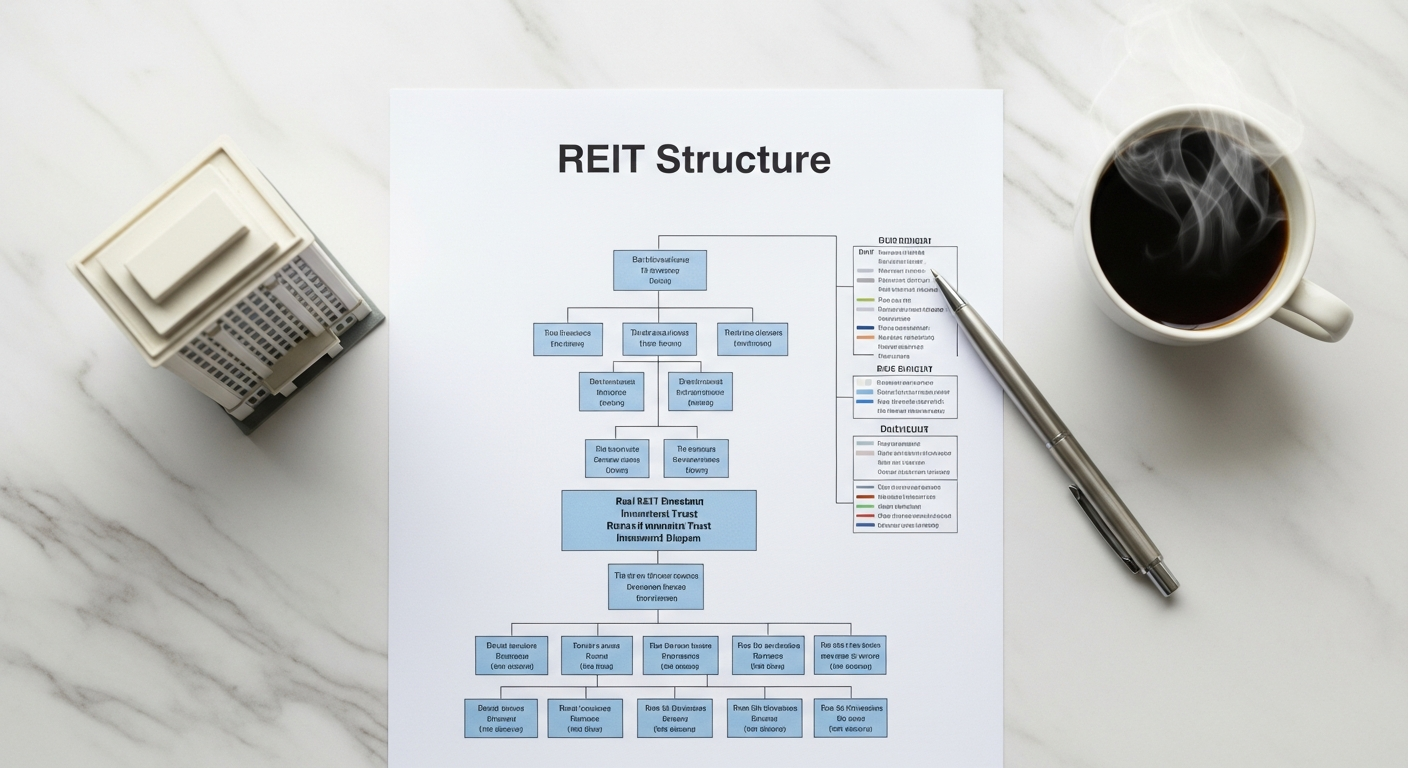
REITs offer several distinct advantages that can significantly enhance a well-diversified investment portfolio. Understanding these benefits is crucial for any investor considering real estate exposure in 2026.
Income Generation
Perhaps the most prominent advantage of REITs is their robust income generation. Due to the requirement to distribute at least 90% of their taxable income as dividends, REITs typically offer higher dividend yields compared to many other common equities. For instance, over the past 20 years, the FTSE Nareit All Equity REITs Index has consistently delivered competitive dividend yields, often ranging from 3% to 5% or more, significantly above the average S&P 500 dividend yield. This steady stream of income can be particularly appealing for retirees or investors seeking to supplement their cash flow.
Diversification and Lower Correlation
REITs can provide valuable diversification benefits. Historically, the performance of publicly traded real estate has demonstrated a relatively low correlation with other asset classes, such as stocks and bonds. For example, Nareit data indicates that over long periods, the correlation between equity REITs and the S&P 500 has often been in the range of 0.6 to 0.8, meaning they don’t always move in lockstep. This lower correlation can help reduce overall portfolio volatility and improve risk-adjusted returns, especially during periods when other market segments are underperforming.
Liquidity
Unlike direct real estate investments, which can take months to buy or sell, REITs are highly liquid. They are traded on major stock exchanges, allowing investors to buy or sell shares throughout the trading day at market prices. This liquidity provides flexibility and accessibility that direct property ownership simply cannot match.
Professional Management
When you invest in a REIT, you are entrusting your capital to experienced real estate professionals who manage the properties, handle tenant relations, oversee maintenance, and make strategic decisions regarding acquisitions and dispositions. This eliminates the hands-on management responsibilities typically associated with direct property ownership, making real estate investing passive for individual shareholders.
Inflation Hedge Potential
Real estate has historically proven to be an effective hedge against inflation. As the cost of living rises, so too do property values and, crucially, rental income. Many commercial leases include provisions for annual rent increases tied to inflation or market rates. This ability to pass on rising costs and increase revenues can help protect an investor’s purchasing power during inflationary periods, a relevant consideration for the economic outlook in 2026.
Accessibility
REITs democratize real estate investing. With share prices often ranging from tens to hundreds of dollars, individual investors can gain exposure to institutional-quality real estate portfolios with a relatively small amount of capital, a stark contrast to the substantial upfront investment required for direct property ownership.
Understanding the Risks: A Balanced Perspective
While REITs offer compelling advantages, a balanced understanding requires acknowledging their inherent risks. Like any investment, REITs are subject to market fluctuations and specific industry challenges.
Interest Rate Sensitivity
REITs are generally sensitive to changes in interest rates. When interest rates rise, several factors can negatively impact REITs:
- Increased Borrowing Costs: REITs often rely on debt to acquire and develop properties. Higher interest rates translate to higher borrowing costs, which can reduce their profitability and cash flow.
- Reduced Property Valuations: Higher interest rates can lead to higher capitalization rates (cap rates), which generally means lower property valuations.
- Alternative Investment Appeal: Rising bond yields can make fixed-income investments more attractive, drawing capital away from higher-yielding but riskier assets like REITs.
Conversely, falling interest rates can positively impact REITs by lowering borrowing costs and increasing property valuations, making them more attractive relative to bonds.
Economic Downturns and Market Conditions
The performance of REITs is closely tied to the broader economic health. During economic downturns or recessions, demand for commercial and residential space can decline, leading to:
- Higher Vacancy Rates: Businesses may downsize or close, and individuals may struggle with rent, increasing vacancies across various property types.
- Lower Rental Income: Landlords may be forced to offer concessions or lower rents to attract tenants, impacting a REIT’s top line.
- Reduced Property Values: A lack of demand and lower income streams can depress the underlying value of a REIT’s real estate portfolio.
Specific market conditions, such as oversupply in a particular geographic area or property sector, can also negatively affect REIT performance.
Sector-Specific Risks
Not all REITs are created equal. Different property types carry unique risks:
- Office REITs: Vulnerable to remote work trends and economic cycles affecting corporate demand for office space.
- Retail REITs: Face challenges from e-commerce growth and changing consumer shopping habits.
- Lodging REITs: Highly sensitive to travel trends, economic discretionary spending, and global events.
- Healthcare REITs: Exposed to regulatory changes, government healthcare spending, and demographic shifts.
Understanding the specific underlying real estate assets is crucial.
Leverage Risk
REITs often employ significant leverage (debt) to finance property acquisitions and development. While leverage can amplify returns during favorable market conditions, it also magnifies losses during downturns. High debt levels can make a REIT vulnerable to rising interest rates or a tightening credit market. Investors should examine a REIT’s debt-to-EBITDA ratio and interest coverage ratio as part of their due diligence.
Taxation of Dividends
A common misconception is that all REIT dividends are “qualified” and taxed at lower capital gains rates. In reality, the majority of REIT dividends are typically taxed as ordinary income, which can be higher than qualified dividend rates. While this can be a drawback for investors in higher tax brackets, it can be mitigated by holding REITs in tax-advantaged accounts like IRAs or 401(k)s.
Navigating the REIT Landscape: Types and Their Nuances
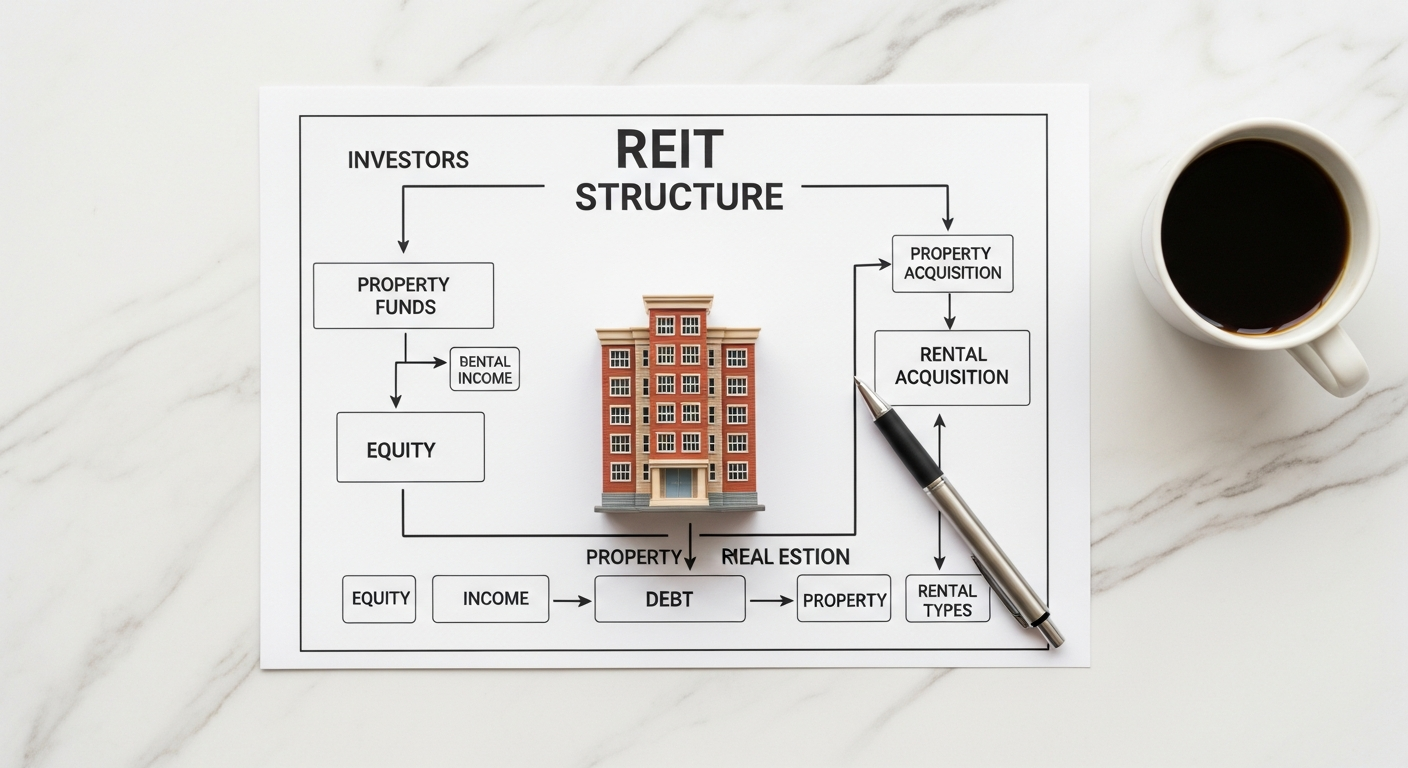
The REIT universe is diverse, comprising various types that specialize in different segments of the real estate market. Understanding these distinctions is key to building a diversified and resilient REIT portfolio.
Equity REITs (eREITs)
Equity REITs are the most common type, representing approximately 95% of the REIT market. They own and operate income-producing real estate. Their revenue primarily comes from collecting rent from tenants. Within equity REITs, there’s a broad spectrum of specialization:
- Residential REITs: Own and manage apartment complexes, single-family rental homes, and manufactured housing communities. Strong demand for housing and rising rents can benefit these REITs.
- Retail REITs: Own and manage shopping malls, strip centers, and freestanding retail properties. Performance is influenced by consumer spending, e-commerce competition, and tenant health.
- Office REITs: Own and manage office buildings in urban and suburban markets. The post-pandemic shift to hybrid and remote work continues to impact this sector, with varying performance based on location, building quality, and tenant base.
- Industrial REITs: Own and manage warehouses, distribution centers, and logistics facilities. This sector has seen robust growth driven by e-commerce expansion and supply chain modernization.
- Healthcare REITs: Own and manage hospitals, medical office buildings, skilled nursing facilities, and senior living communities. Demographics (aging populations) and healthcare spending trends are key drivers.
- Data Center REITs: Own and operate facilities that house servers and networking equipment. Driven by the exponential growth of cloud computing, AI, and digital services, this sector has demonstrated strong growth.
- Cell Tower REITs (Infrastructure REITs): Own and lease space on communication towers and related infrastructure. Beneficiaries of 5G rollout and increasing mobile data consumption.
- Self-Storage REITs: Own and operate self-storage facilities. Demand is often driven by life events (moving, downsizing) and population growth.
- Lodging/Resorts REITs: Own hotels and resorts. Performance is highly cyclical, sensitive to travel trends, tourism, and business conventions.
- Timberland REITs: Own and manage timberland, generating revenue from timber sales and sustainable forestry practices.
For 2026, sectors like industrial, data centers, and specific segments of residential (e.g., affordable housing, single-family rentals) and healthcare (e.g., medical office buildings) are generally viewed favorably due to secular growth trends and resilient demand.
Mortgage REITs (mREITs)
Mortgage REITs do not own physical properties directly. Instead, they provide financing for income-producing real estate by purchasing or originating mortgages and mortgage-backed securities (MBS). Their income is primarily generated from the net interest margin – the difference between the interest earned on their mortgage assets and the cost of funding those assets. mREITs are generally more sensitive to interest rate fluctuations and credit market conditions than equity REITs and typically carry higher risk, though they often offer higher dividend yields.
Hybrid REITs
Hybrid REITs combine the strategies of both equity and mortgage REITs, owning a portfolio of income-producing properties while also engaging in real estate financing. This structure aims to balance the stability of property ownership with the potentially higher yields of mortgage lending, though they are less common than pure equity or mortgage REITs.
How to Invest in REITs: A Step-by-Step Guide for 2026
Investing in REITs can be straightforward, but a methodical approach ensures alignment with your financial objectives and risk tolerance. Here’s a practical guide for 2026.
Step 1: Define Your Investment Goal and Risk Tolerance
Before investing, clarify what you aim to achieve. Are you primarily seeking high current income, long-term capital appreciation, or portfolio diversification? Understand your comfort level with risk. Equity REITs are generally less volatile than mREITs, but all REITs carry market risk. This clarity will guide your choice between individual REITs and diversified funds.
Step 2: Research Specific REITs (Individual Stocks)
If you opt for individual REITs, thorough due diligence is paramount. Focus on these key metrics:
- Funds From Operations (FFO) per Share: FFO is the primary measure of a REIT’s operating performance, often considered the equivalent of earnings per share (EPS) for traditional companies. It adjusts net income for depreciation and gains/losses from property sales. Look for consistent FFO growth.
- Price-to-FFO (P/FFO): Similar to a P/E ratio, P/FFO indicates how expensive a REIT’s shares are relative to its operating cash flow. Compare this metric across peers within the same sector.
- Dividend Yield and Payout Ratio: A high dividend yield is attractive, but ensure it’s sustainable. A payout ratio (dividends per share / FFO per share) below 80-90% generally indicates a healthy dividend.
- Debt-to-EBITDA: This metric assesses a REIT’s leverage. Lower is generally better, indicating less financial risk. A ratio below 6x is often considered healthy for REITs.
- Occupancy Rates and Lease Durations: High occupancy rates indicate strong demand for a REIT’s properties. Longer average lease durations provide more predictable income streams.
- Tenant Quality and Diversification: A strong roster of creditworthy tenants reduces default risk. Diversification across many tenants and industries is also beneficial.
Utilize resources like Nareit.com for industry data, company investor relations websites for financial reports, and reputable financial news sources for analyst coverage. For example, when comparing two hypothetical residential REITs, REIT A with a 5% yield and P/FFO of 15x might be more attractive than REIT B with a 7% yield but a payout ratio of 110% and a Debt-to-EBITDA of 8x, signaling potential dividend unsustainability and higher risk.
Step 3: Consider REIT ETFs and Mutual Funds (Diversified Approach)
For most individual investors, especially those with less time for in-depth research or seeking instant diversification, REIT Exchange Traded Funds (ETFs) and mutual funds are an excellent choice.
- Benefits: They offer immediate diversification across numerous REITs and property types, reducing idiosyncratic risk associated with any single company. They are also professionally managed and typically have lower minimum investment requirements than building a diversified portfolio of individual REITs.
- Examples:
- Vanguard Real Estate ETF (VNQ): One of the largest and most popular REIT ETFs, tracking the MSCI US Investable Market Real Estate 25/50 Index. It offers broad exposure to U.S. equity REITs with a very low expense ratio, typically around 0.12%.
- iShares U.S. Real Estate ETF (IYR): Another widely used ETF, tracking the Dow Jones U.S. Real Estate Index. Its expense ratio is slightly higher than VNQ, often around 0.40%.
- Schwab U.S. REIT ETF (SCHH): Offers broad exposure to U.S. equity REITs with a competitive expense ratio, often around 0.07%.
- Benchmark: These funds often aim to track or outperform the FTSE Nareit All Equity REITs Index, which serves as a primary benchmark for the equity REIT market.
When choosing a fund, pay close attention to its expense ratio (lower is better), its underlying index, and the specific types of REITs it holds.
Step 4: Execute Your Investment
Once you’ve decided on individual REITs or a diversified fund, you can purchase shares through any standard brokerage account. Consider using dollar-cost averaging, investing a fixed amount regularly, to mitigate the impact of market volatility over time.
Step 5: Monitor and Rebalance
Regularly review the performance of your REIT investments and the underlying economic conditions. Stay informed about interest rate forecasts, sector-specific developments, and the financial health of the REITs you own. Periodically rebalance your portfolio to ensure your REIT allocation remains consistent with your overall asset allocation strategy.
Strategic Considerations for REIT Investing in 2026
As we look towards 2026, several strategic considerations will be paramount for successful REIT investing.
Navigating the Interest Rate Environment
Interest rates will continue to be a significant factor. If the Federal Reserve continues a tightening cycle or maintains higher rates, REITs, especially those with significant floating-rate debt or properties requiring frequent refinancing, could face headwinds.
- Strategy: Favor REITs with strong balance sheets, lower debt-to-EBITDA ratios, and longer average debt maturities. Look for REITs with fixed-rate debt or those that have demonstrated effective hedging strategies. Property types with long-term, inflation-linked leases might also be more resilient.
Identifying Resilient and Growth-Oriented Sectors
The performance disparity among REIT sectors is likely to persist.
- Opportunities:
- Industrial REITs: Continued growth from e-commerce, onshoring trends, and inventory optimization.
- Data Center/Infrastructure REITs: Driven by AI, cloud computing, and 5G expansion, these sectors show strong secular growth.
- Healthcare REITs: Supported by aging demographics and stable demand for medical facilities.
- Residential REITs: Demand for housing, particularly in growing metropolitan areas, remains strong, though affordability concerns could impact certain segments.
- Caution: Certain segments of office and retail REITs may continue to face structural challenges, requiring highly selective investment.
Geographic Diversification
While many REITs focus on the U.S. market, global diversification can further reduce risk. Consider global REIT ETFs or individual REITs with international exposure to benefit from different economic cycles and real estate market dynamics. Even within the U.S., diversifying across different metropolitan areas can mitigate risks associated with local economic downturns or oversupply.
Dividend Reinvestment (DRIP)
For long-term investors not reliant on current income, consider enrolling in a Dividend Reinvestment Plan (DRIP) if offered by your brokerage or the REIT itself. Reinvesting dividends to purchase additional shares allows for compounding returns, significantly boosting wealth accumulation over time.
Tax Efficiency
Given that most REIT dividends are taxed as ordinary income, consider holding REITs or REIT ETFs within tax-advantaged accounts such as an Individual Retirement Account (IRA) or a 401(k). This strategy defers or potentially eliminates taxes on the dividend income until withdrawal, allowing your investments to grow more efficiently. For taxable accounts, explore REITs that focus on capital appreciation over pure income, though these are less common, or utilize tax-loss harvesting strategies if applicable.
Frequently Asked Questions About REITs
Q1: Are REITs a good investment for retirement?
A1: Yes, REITs can be an excellent component of a retirement portfolio, particularly for their income-generating potential through dividends. Their diversification benefits and potential inflation hedge qualities also make them attractive. However, it’s crucial to balance them with other asset classes to manage risk, and consider holding them in tax-advantaged retirement accounts to mitigate the tax implications of their ordinary income dividends.
Q2: How are REIT dividends taxed?
A2: The majority of REIT dividends are taxed as ordinary income at your marginal tax rate, rather than at the lower qualified dividend rates. This is because REITs typically do not pay corporate income tax and pass that tax liability directly to shareholders. There are exceptions for certain capital gains distributions or return of capital, but generally, expect ordinary income tax treatment. Consult a tax advisor for personalized guidance.
Q3: What’s the difference between investing in a REIT and owning physical property?
A3: Investing in a REIT offers several advantages over direct property ownership: liquidity (easy to buy/sell shares), diversification (exposure to many properties across different sectors), professional management, and a lower entry barrier. Direct property ownership, while potentially offering higher control and specific tax benefits, involves significant capital, illiquidity, and active management responsibilities like finding tenants, maintenance, and repairs.
Q4: Can REITs lose money?
A4: Yes, like any stock market investment, REITs can lose money. Their share prices fluctuate based on market conditions, interest rate changes, economic downturns, and specific challenges within the real estate sectors they operate in. While they offer income, there’s no guarantee of capital preservation or consistent returns. Thorough research and a diversified approach are essential.
Q5: How do I choose between individual REITs and REIT ETFs?
A5: For most individual investors, especially those seeking broad diversification with minimal effort, REIT ETFs (e.g., VNQ, IYR) are generally recommended. They offer instant diversification across many properties and sectors, reducing the risk associated with any single company. Investing in individual REITs requires significant research into each company’s financials, property portfolio, management, and sector-specific risks, making it more suitable for experienced investors willing to dedicate the time to in-depth analysis.
Conclusion
REITs provide a powerful and accessible pathway for individual investors to participate in the dynamic real estate market. They offer compelling benefits such as consistent income generation, valuable portfolio diversification, enhanced liquidity, and professional management, making them a potentially valuable component of a well-structured investment portfolio. However, a prudent approach necessitates a thorough understanding of their risks, including interest rate sensitivity, economic cycles, and sector-specific vulnerabilities.
By diligently researching individual REITs based on key metrics like FFO and dividend sustainability, or by leveraging the diversification offered by REIT ETFs, investors can strategically allocate capital to real estate. For 2026, adapting to the evolving interest rate environment, identifying resilient growth sectors, and employing tax-efficient strategies will be crucial for optimizing REIT returns. With careful consideration and alignment with your financial goals, REITs can contribute significantly to long-term wealth accumulation and portfolio stability.
“`json
{
“@context”: “https://schema.org”,
“@graph”: [
{
“@type”: “Article”,
“headline”: “REITs Explained: Your Comprehensive Guide to Real Estate Investing in 2026”,
“image”: [
“https://example.com/images/reits-guide-hero.jpg”,
“https://example.com/images/reits-chart-diversification.jpg”,
“https://example.com/images/reits-types-graphic.jpg”
],
“datePublished”: “2024-07-29T09:00:00+08:00”,
“dateModified”: “2024-07-29T09:00:00+08:00”,
“author”: {
“@type”: “Person”,
“name”: “Trading Costs Analyst”
},
“publisher”: {
“@type”: “Organization”,
“name”: “Trading Costs”,
“logo”: {
“@type”: “ImageObject”,
“url”: “https://example.com/images/trading-costs-logo.png”
}
},
“description”: “A comprehensive, data-driven guide to Real Estate Investment Trusts (REITs) for individual investors in 2026. Learn what REITs are, their benefits, risks, types, and how to invest effectively.”,
“articleBody”: “Real estate has long been a cornerstone of wealth creation, offering tangible assets and the potential for consistent income and capital appreciation. However, direct ownership of investment properties often comes with significant capital requirements, illiquidity, and the burdens of property management. For individual investors seeking to tap into the real estate market without these hurdles, Real Estate Investment Trusts (REITs) present a compelling solution. These publicly traded companies allow you to invest in a diversified portfolio of income-producing properties with the liquidity of a stock. This authoritative guide will demystify REITs, exploring their structure, benefits, risks, various types, and providing a data-driven, step-by-step approach to integrating them into your investment strategy for 2026 and beyond.\n\n
What Are REITs? The Foundation of Publicly Traded Real Estate
\n\nAt its core, a Real Estate Investment Trust (REIT) is a company that owns, operates, or finances income-producing real estate. Think of them as mutual funds for real estate; they allow investors to buy shares in portfolios of properties, much like buying shares in any other public company. Congress established REITs in 1960 to give all investors, regardless of their wealth, access to income-producing real estate investments and the potential for diversification.\n\nThe defining characteristic of a REIT, and what grants it special tax considerations, is its requirement to distribute at least 90% of its taxable income to shareholders annually in the form of dividends. In return, REITs are exempt from corporate income tax at the federal level, avoiding the double taxation typically associated with corporate earnings (once at the corporate level, once at the shareholder level). This structure means REITs funnel a significant portion of their earnings directly to investors, making them attractive for income-focused portfolios.\n\nREITs invest in a vast array of property types, from shopping malls and office buildings to apartments, data centers, and industrial warehouses. Their income is primarily generated from rents collected on these properties or, in the case of mortgage REITs, from interest earned on real estate-backed loans. By owning shares in a REIT, you indirectly own a piece of these diverse real estate assets, benefiting from rental income, potential property value appreciation, and professional management, all through a liquid, publicly traded security.\n\n
The Compelling Advantages of REITs for Your Portfolio
\n\nREITs offer several distinct advantages that can significantly enhance a well-diversified investment portfolio. Understanding these benefits is crucial for any investor considering real estate exposure in 2026.\n\n
Income Generation
\n\nPerhaps the most prominent advantage of REITs is their robust income generation. Due to the requirement to distribute at least 90% of their taxable income as dividends, REITs typically offer higher dividend yields compared to many other common equities. For instance, over the past 20 years, the FTSE Nareit All Equity REITs Index has consistently delivered competitive dividend yields, often ranging from 3% to 5% or more